Some links on this page are affiliate links. If you book or buy through them, we may earn a small commission at no extra cost to you. It never changes what we recommend — every price here is one we would pay ourselves.
Foreigners also pay an environmental fee of between 50 and 100 pesos, or $1 to $2, on top of the ticket. On any multi-day trek, mentally set aside at least $80 to $150 as a horse hire contingency.
The Numbers Behind the Mood
Somewhere around day nine of a long trip, the budget spreadsheet stops being a spreadsheet. It becomes a mood. The good days and the bad days start to map onto the numbers, and the numbers are not always what you planned. The pattern is fairly reliable: the first week runs on adrenaline and novelty, so almost any number looks survivable, and then the arithmetic catches up with the sleep debt. What changes the mood is rarely the big expense. It is the small, repeated, unplanned one — the bottle of water bought at the station instead of the shop, the taxi taken because the walk looked longer on the map than it turned out to be.
A daily target of $30 comes up often. That figure appears in Lonely Planet guides, and it is a reasonable one to build a trip around, provided nothing else gets in the way. The “nothing else” is doing a lot of work in that sentence. Weed and other distractions have a way of turning a $30 day into something else entirely, and the sigh that follows is usually financial. It is worth being honest about how this actually plays out, because the mechanism is mundane rather than dramatic. A $30 day assumes dorm beds, street food, and walking. Add a single paid attraction, a proper coffee, and a taxi after dark and the day lands nearer $45 without anything feeling extravagant. Do that four times in a week and the weekly target is quietly gone, and the reaction is usually to skip something the following week that would have been worth doing.
If a full day hinges on one entry, buying the ticket ahead de-risks it.
The Guidebook Question
If money worry is the main thing keeping you up at night, a guidebook is one of the cheaper fixes. Lonely Planet guides run about $30. They are kept current and they tell you what things actually cost in the places you are going, which is more than most forum threads manage. Thirty dollars to stop guessing is not a bad trade. The physical book also does something a phone does not: it forces a rough plan onto paper before arriving, which is where most budget damage actually happens — at the airport, at the first guesthouse, at the first meal, when nothing is priced and everything is urgent.
The catch is that a guide is only as good as its edition. A Central Asia guide published in 2010 was still being used to build budgets years later, which tells you something about how long these books circulate and how quickly prices move underneath them. Use the book. Check the date on the spine. The practical habit is to treat any price in a guide older than about three years as a floor rather than a figure, and to check the edition against the copyright page rather than the cover, since covers get reprinted with the same artwork long after the text inside has gone stale. Secondhand copies are everywhere and cheap, which is exactly why the stale ones keep circulating. A book that cost a few dollars secondhand and sends a trip $200 over budget was not a bargain.
Trains, Ferries, and Small Fees
Trains are where the money goes furthest. On one trip, eight train journeys were taken, in second and first class, and the reasoning was straightforward: trains generally cost a quarter of the price of flights, sometimes less. That is not a marginal saving. That is the difference between three weeks and four.
The trade is time, and the trade is usually worth it. Overnight trains remove a night of accommodation from the budget entirely, which is the part most people forget when comparing a rail ticket against a flight. Second class is where locals actually travel, and it is where the trip tends to become memorable for reasons unrelated to cost. First class buys space and quiet, not speed, and on many routes the difference is a few dollars for a compartment rather than a seat. Booking at the station a day or two ahead is normal practice on plenty of routes; booking the same morning is where people get caught out, particularly around public holidays and the start of school terms.
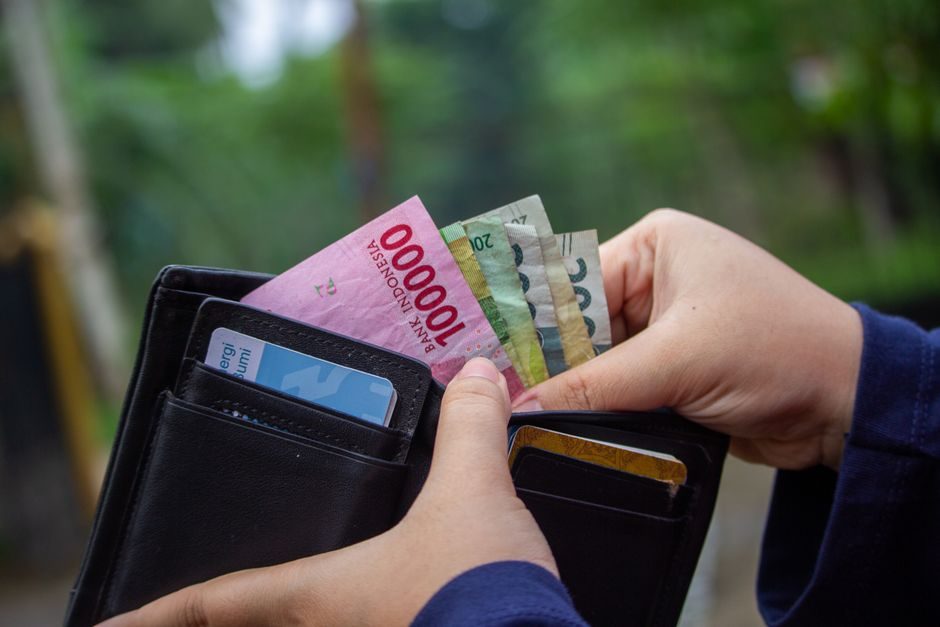
Ferries work differently, and the ticket price is rarely the whole price. In the Philippines, every passenger pays a terminal departure fee of around 50 pesos, about $1. Foreigners also pay an environmental fee of between 50 and 100 pesos, or $1 to $2, on top of the ticket. Small amounts, but they add up across a chain of islands, and none of them appear in the fare you were quoted. The fees are paid in cash at a separate window from the ticket counter, usually a small booth near the entrance to the terminal, and the queue for it is a different queue from the one for the ticket. Miss it and the boarding call happens without you. The terminal is also where bags get weighed and where the porters who carry them expect a small tip, so keeping loose change accessible rather than buried in a pack saves a genuinely irritating five minutes.
Mexico has its own version. Hotels in Quintana Roo charge an environmental tax per room per night. In Cancún it runs about 76 pesos, roughly $4 per night per room. Playa del Carmen and Tulum levy similar charges, calculated slightly differently. These are usually collected at check-in and are not included in the price shown online. A week in Cancún is therefore about $28 more than the booking page suggested. The charge is per room rather than per person, so it barely registers for a couple and stings more for a solo traveller paying for a whole room alone. Reception will usually take it in cash or card, and asking for a receipt is normal — the tax is a real municipal levy, not an informal add-on, and staff are used to explaining it.
The Contingency You Will Actually Need
High-altitude trekking has a cost that nobody puts in the brochure. On any multi-day trek, mentally set aside at least $80 to $150 as a horse hire contingency. This is not pessimism. It is trekking wisdom, and it exists because altitude does things to people that they did not plan for, and the horse is the only way down.
The way this plays out in practice is rarely dramatic. A headache that will not shift, a night of no sleep at a pass, a stomach that turns on the second morning — any of these can end a trek for one member of a group while the others carry on. The horse and its handler appear quickly, because this is a routine part of the local economy, and the price is negotiated at the moment rather than published anywhere. Having the cash on hand matters more than the exact figure. Villages along the route rarely have working card machines or a cash point, and the nearest ATM is usually a long way downhill.
The same logic applies to flights, which in a $350-euro budget are often the single largest expense. Converted, that is about $378. Price differences between similar routes can be very large, especially when dates and departure airports stay flexible. The flexibility itself is the saving. Fix both and you pay for the privilege. In practice this means checking a nearby second airport before committing, and being willing to shift a departure by a day or two in either direction. The gap between a Tuesday and a Saturday on the same route is often larger than the gap between two competing airlines.
What the Top End Looks Like
For contrast, consider the other end. Chartering a private jet to move around a country during a safari can cost over $100,000, or between $2,000 and $11,000 per billable hour. It is also, by most measures, not the most environmentally friendly way to see wildlife. This is not a budgeting tip. It is a reminder that the range of what people spend on the same activity is enormous, and that the $30-a-day figure and the $11,000-an-hour figure belong to the same planet.
Volunteering sits somewhere in the middle, and it can be structured. One route is a $20,000 social and environmental award tied to UN Sustainable Development Goal achievements, run through Worldpackers. That is not pocket money, but it is a different kind of number than a hotel bill. Most volunteering, of course, costs the volunteer rather than paying them, and the honest version of that arrangement involves a fee, a minimum stay, and work that is genuinely useful rather than a photo opportunity. Reading the terms before committing is the whole game.
None of this fixes a bad week. But knowing that the terminal fee is a dollar and the horse fund is eighty does mean one less thing to lie awake calculating.
Leave a Reply