Some links on this page are affiliate links. If you book or buy through them, we may earn a small commission at no extra cost to you. It never changes what we recommend — every price here is one we would pay ourselves.
For a month, that floor compounds fast: thirty nights at $100 is $3,000 before you’ve eaten anything. In parts of southern Asia, hostel beds run under $6–7 a day, and once you add meals and city transport you’re looking at $12–13 a day total.
What the Numbers Actually Say
Puerto Rico gets sold as a Caribbean bargain. It is not. The island runs on US prices for most things, and the accommodation math is closer to what you’d pay in Canada than what you’d pay in Southeast Asia. If you’re pricing a trip, start there and work backward, because the gap between expectation and reality is where budgets die.
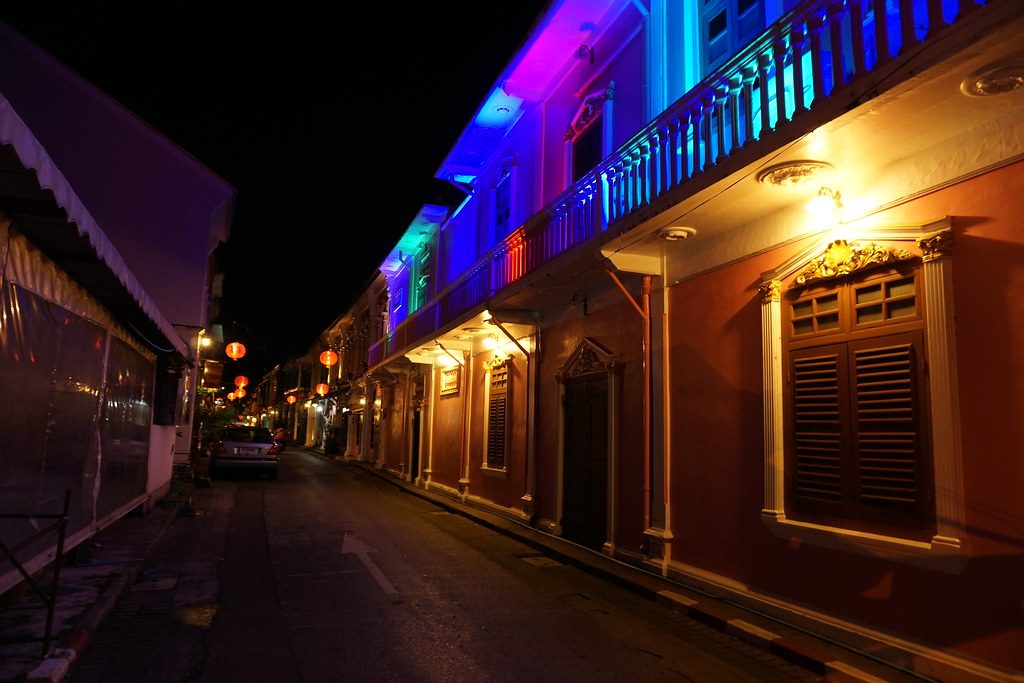
Part of the confusion is that the postcard version of Puerto Rico — the one with the mofongo and the pastel-colored walls in Old San Juan — is genuinely lovely and genuinely priced for people on a four-night vacation. Locals in the metro area will tell you plainly that the island is expensive for them too, which is why so much grocery shopping happens at Walmart, Costco and the Supermax chains rather than at the corner market. When a resident of Bayamón is watching the same price tags as a visitor from Ohio, the odds of a hidden cheap version of the island are close to zero. The cheap version exists in pockets — a roadside kiosk in Luquillo, a public beach with free parking, a bakery selling quesitos for pocket change — but it does not exist as a way of life for a month.
The Housing Problem
There is a hard floor on lodging, and it sits near $100 a night. That figure isn’t a Puerto Rico figure — it’s what travelers report across Canada and similar markets, and it applies here too. Even when you stop in out-of-the-way corners, the bill stays salty. For a month, that floor compounds fast: thirty nights at $100 is $3,000 before you’ve eaten anything. Anyone planning a long stay needs to reckon with this honestly rather than assuming they’ll find the cheap room that everyone else missed.
What typically goes wrong is the search order. People look at San Juan first, see the prices, then assume the rest of the island is cheaper. It isn’t, mostly. Rincón and Isabela on the west coast are surf towns with surf-town pricing, and the south coast around Ponce is cheaper in a way that is real but modest — enough to shave the nightly rate, not enough to change the trip’s shape. The genuinely affordable inventory tends to be small guesthouses and paradores outside the main tourist strips, the kind with a locked gate, a courtyard, and a proprietor who takes cash and asks what time you’ll want coffee. Those places rarely appear on the big booking sites, or appear without photos worth trusting.
The process, if a long stay is the goal, is slow and unglamorous. It means messaging hosts directly, asking about weekly and monthly rates (many will negotiate off-platform for a stay of several weeks, sometimes by a meaningful margin), and accepting that the good ones book out for the winter high season well in advance. Hurricane season, roughly June through November, softens demand and therefore prices, at the cost of watching the forecast with real attention. A generator and a water cistern are not luxuries on this island; they are the difference between a normal week and a week with no power and no shower, and listing photos will not tell you whether a place has them. Ask.
Compare that to what the same money buys elsewhere. In parts of southern Asia, hostel beds run under $6–7 a day, and once you add meals and city transport you’re looking at $12–13 a day total. Sri Lanka, fresh off its crisis rebound, is the best-value island in Asia right now: $1–2 rice-and-curry lunches, guesthouses at $10–20, and the Kandy–Ella train for a few dollars. Beaches, leopard safaris and tea country fit in one compact loop. That’s the benchmark. Puerto Rico is not that, and pretending otherwise wrecks the plan.
Daily Costs, Stacked Against Each Other
For context on what a day costs in different places: Serbia averages around $55 per day. Portugal averages around $82 per day. Those aren’t Puerto Rico numbers, but they’re useful anchors. If you’re budgeting $35–40 a day for a long trip, that figure usually excludes country-to-country transport — it’s an additional cost, not part of the daily number. Four months at that rate, plus flights between countries, is a different sum than four months at that rate alone.
On the ground, transport is where you claw money back. The single non-negotiable is getting the ride-hailing app that works like Uber but costs far less. A ten-minute ride literally costs $2. That’s the steal of the trip. Use it instead of taxis and the daily transport line drops to almost nothing.
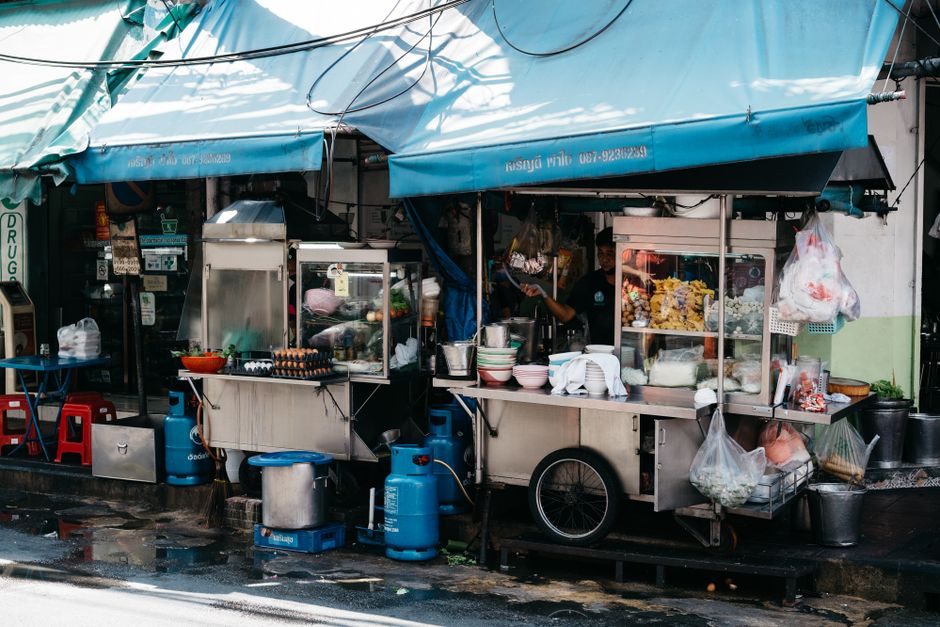
Food is the other swing variable. If you eat out once a day minimum — because you want to try new restaurants and cafés, which is the whole point — a couple can budget at least $100 per meal for food and drink together. That’s not a splurge. That’s two people, one restaurant, once a day. Over a week, that’s $700 on dinners alone. Add breakfast, coffee, and the occasional lunch and you’re past $100 a day per person without touching lodging.
The way locals keep this manageable is by eating the island’s actual daily food rather than the restaurant version of it. A plate of rice, beans and stewed chicken from a fonda or a roadside kiosk costs a fraction of a sit-down dinner and is usually better. Mall food courts, panaderías and the hot bars inside supermarkets do the same job. Coffee is cheap and strong everywhere, from a gas station to a plaza café, and breakfast of a mallorca and a cortado will carry a morning for the price of a single cocktail back home. The restaurant dinner is worth doing — it’s the pleasure of the trip — but treating it as the default rather than the exception is what separates a two-week trip from a two-month one.
The Fees People Forget
Two line items that ambush people. First, one-way fees. The general figure sits closer to $400 than $300, and that correction matters — budget the higher number. Second, border paperwork. If you enter the US by land, say from Canada or Mexico, an I-94 can be requested online or through the CBP One app in advance. The fee is currently $30. Requesting it online doesn’t guarantee entry; it just prepares the border processing. It’s a small charge but an easy one to miss when you’re tallying a route.
Then there’s the insurance question. If you’ve shelled out thousands in prepaid travel expenses that you can’t recover when a trip is interrupted or cancelled, trip insurance may be worth it, because it can reimburse those upfront costs you already paid. On a long, expensive trip, that’s not paranoia. It’s arithmetic.
The other fee that catches people is the one attached to flying with a one-way ticket on a route where the airline prices the return leg into the fare. Budget carriers in particular will quote a cheap outbound and then charge a premium for the one-way, so the headline number is rarely the number paid. The same applies to checked bags, seat selection and the airport transfer at the far end, which on this island usually means a taxi unless the ride-hailing app has coverage where you land — and at smaller regional airports, it sometimes doesn’t. Confirm the app’s coverage before relying on it at an unfamiliar terminal, and have a cash backup. Rental cars booked at the counter rather than in advance carry the same kind of quiet markup, plus the island’s toll transponder, which is easy to forget until the bill arrives weeks later.
For the last leg of a long travel day, a pre-arranged car is money well spent.
The Honest Version
Puerto Rico is doable on a budget if you accept the budget is higher than the Caribbean fantasy suggests. Lodging near $100 a night, dinners at $100 for two, transport at $2 per ride if you use the right app. Stack those and a realistic daily figure lands well above the $35–40 that works in southern Asia and above Serbia’s $55. Portugal’s $82 is a closer cousin.
None of this is a reason to skip it. It’s a reason to price it correctly before you go, so the island doesn’t eat your savings in the first week. The numbers are the numbers. Plan around them.
Leave a Reply