Some links on this page are affiliate links. If you book or buy through them, we may earn a small commission at no extra cost to you. It never changes what we recommend — every price here is one we would pay ourselves.
The flight can take up to 25 hours, which is a long time to sit in a seat for the privilege of a single connection. Same planet, same basic act of getting on a plane, a difference of about $302.
The One-Stop Problem
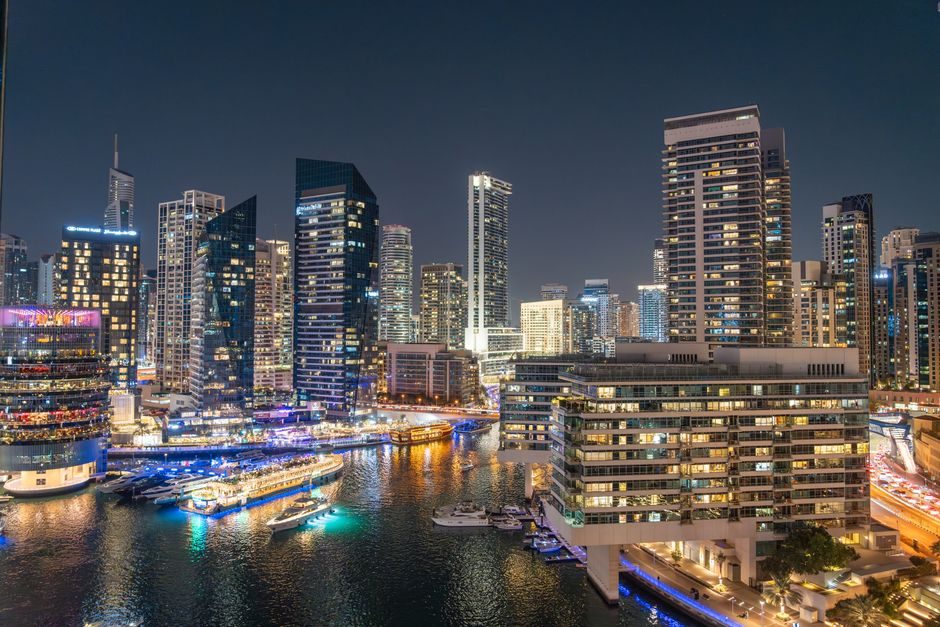
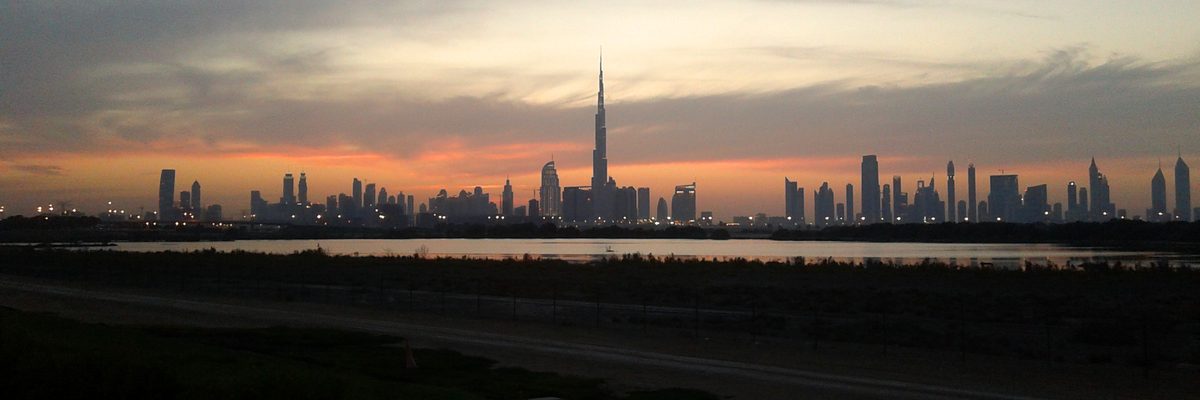
If you are flying from Australia to Morocco, the easiest route runs through Dubai. One stop. The flight can take up to 25 hours, which is a long time to sit in a seat for the privilege of a single connection. That routing is also the reason a lot of people end up spending a night or two in the UAE without planning to.
The country is expensive if you treat it as a destination. It is far cheaper if you treat it as a stopover and act accordingly.
What that looks like in practice is a decision made before boarding, not after landing. The travellers who spend the least on a Dubai layover are the ones who have already booked a bed near the airport, already know which terminal they arrive at and depart from, and already accept that they are not going to see the Burj Khalifa. The ones who spend the most arrive at 6am with no plan, take a taxi into the city because it seems wasteful to sit in an airport for fourteen hours, and discover that a hotel room booked at the front desk costs considerably more than one booked three weeks earlier. The airport itself is comfortable enough to survive a long layover in, with quiet corners and shower facilities, and plenty of people simply do that. Sleeping in the terminal is not glamorous but it is legal, common, and free, and the floors near the gates are cleaner than most.
What Flights Actually Cost
Forty flights is enough to know what a fare looks like when it is good and when it is not. The cheapest of those forty was 12 euros, Kuala Lumpur to Penang. That converts to about $13. The most expensive was 292 euros, Muscat to Abu Dhabi to Jakarta, technically two flights. That is roughly $315.
The gap between those two numbers is the whole lesson. Same planet, same basic act of getting on a plane, a difference of about $302. The route through the Gulf sits at the top end of that range because the Gulf is where long-haul pricing lives. A stop in the UAE is rarely the cheap part of a ticket. It is the part that makes the ticket possible.
So the honest framing for a budget traveller is this. You are not going to the UAE to save money. You are going there because the routing demands it, and the job is to lose as little as possible while you wait.
The mechanics of that are dull but they matter. Fares through the Gulf swing hard depending on the day of the week and how far ahead the booking is made, and the difference between a Tuesday and a Friday departure on the same route can be substantial. It is worth checking the same itinerary a few days either side before committing. It is also worth knowing that a longer layover is sometimes cheaper than a short one, because the airline would rather sell the seat than hold it, and that a self-transfer booked as two separate tickets is cheaper again but carries the risk of missing the second leg with no compensation. That risk is real. Airlines do not protect connections they did not sell.
For the headline stops on a route, reserving tickets keeps the pace.
The Currency Question Next Door
Morocco uses the Moroccan Dirham, and as of 2026 one US dollar buys approximately 10 dirhams. One euro buys approximately 11. The dirham is a semi-controlled currency, which means you cannot buy it before you arrive. You exchange at the airport, withdraw from an ATM, or walk into a bank in the city.

That matters for anyone building a Dubai-to-Morocco trip. You will land in Morocco with nothing in your pocket that the country accepts, and the first exchange rate you meet will be an airport rate. Plan the first day around that, not against it.
Airport exchange desks in Morocco are open late but not always around the clock, and the queue at the counter moves slowly when a widebody has just landed. ATMs in the arrivals hall are usually the better option, though foreign cards occasionally get rejected on the first attempt and work on the second, which is worth knowing before panic sets in. The rate difference between an airport counter and a bank in the medina is not enormous, but it is enough to notice over a week, so the sensible move is to change only what covers the first day and do the rest in town. Banks in Morocco keep short hours, closing in the early afternoon and shut entirely on weekends, so a Friday arrival means waiting until Monday for a proper rate. Small notes matter too. Taxis and small shops rarely have change for a large bill, and handing over a big note for a small purchase is a reliable way to lose the difference.
The Scam That Costs $3,000
There is a specific kind of loss that has nothing to do with airfare. One traveller based in Ajman, in the UAE, described being defrauded by a lender. She needed a loan of $90,000 for venture capital and debt. She paid $3,000 up front and got nothing. The business collapsed in the process. She wrote that she had nowhere to go.
That is the number to keep in your head when someone in the Gulf offers you money on terms that require a payment first. $3,000 is not an abstract figure. It is also, for scale, roughly ten times the most expensive flight in that list of forty, and about 230 times the cheapest.
The UAE has a large expatriate population and a large volume of people arriving with plans that need financing. That combination produces predators. The specific mechanism here was a loan that required an upfront fee, which is the oldest version of the trick.
The pattern is consistent enough to recognise on sight. The money is offered quickly, the paperwork is vague, and the request for an advance arrives before any contract does. It often comes through a personal contact rather than a licensed institution, which is precisely the point, because a licensed lender in the UAE is regulated and cannot ask for a fee before disbursing funds. Anyone who does is either unlicensed or not a lender at all. The pressure is applied with deadlines that do not exist, and the sums escalate once the first payment has been made, because a person who has already paid once is far easier to ask again. Recovery is slow and rarely complete, and the process runs through police reports and courts that take months. The only reliable defence is refusing the first payment, which costs nothing and ends the conversation immediately.
Treat It As Transit
The case for the UAE as a cheap destination is weak. The case for it as a necessary waypoint between Australia and Morocco is strong, and that is a different thing.
Twenty-five hours in transit is the cost of the one-stop routing. A 12 euro fare exists, but not on the routes you need. The dirham cannot be bought in advance, so the first Moroccan exchange will happen at an airport. And $3,000 is what one person lost to a lender who asked for money first.
None of that is a reason to skip the stop. It is a reason to know what the stop is for.
Leave a Reply