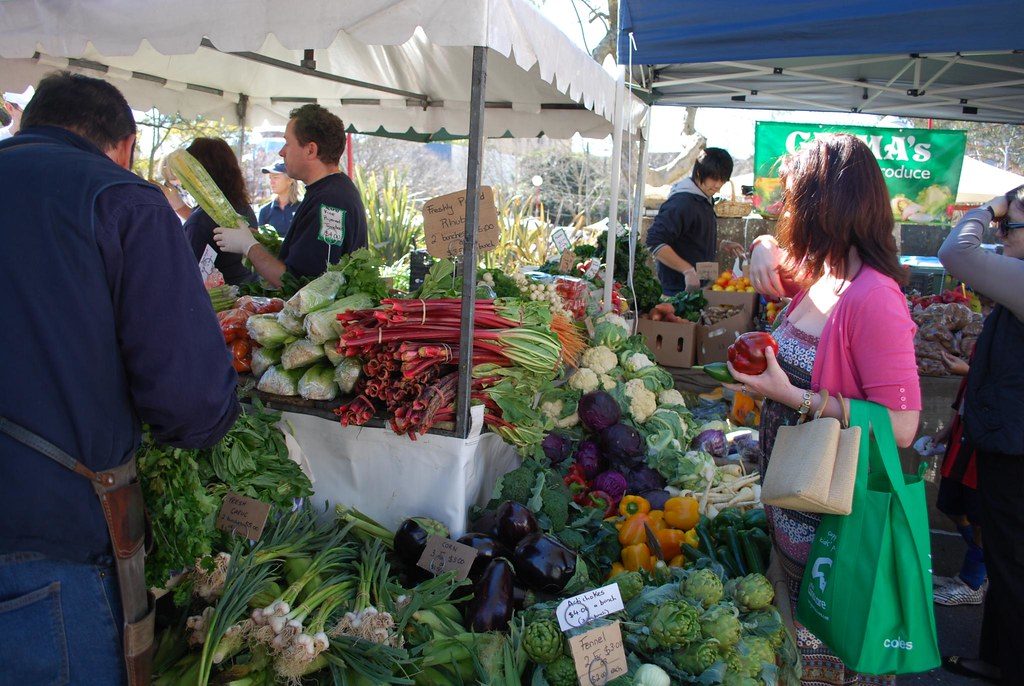
Budget travelers can get by on $30 to $50 daily, covering food, hostels, and local transport. Mid-range travelers average $60 to $100, enjoying nicer hotels and tours.
What The Numbers Say
A bowl of phở costs $1 to $3 in Vietnam. A hostel bed costs $6 to $10. A budget private room runs $15 to $30. That is the whole arithmetic of eating vegetarian on the road, and it explains why the cheap countries stay cheap and the expensive ones do not care what you order. The bowl arrives with a plate of herbs on the side — mint, coriander, Thai basil, sometimes banana blossom — and the broth is usually simmered from vegetables or bones depending on the stall, so it pays to learn the phrase for “no meat” in the local language before pointing at a pot. In Vietnam that phrase is “không thịt,” and it works better at a stall with a handwritten sign than at a restaurant with a laminated menu. The stall cooks are used to feeding people cheaply and will often just swap the meat for extra tofu if asked, at no extra charge.
Budget travelers can get by on $30 to $50 daily, covering food, hostels, and local transport. Mid-range travelers average $60 to $100, enjoying nicer hotels and tours. Luxury trips often exceed $150 per day, depending on activities and dining preferences. Notice what is not in the first bracket. Meat. The $30 day almost never includes it, because the cheapest food in most of the world was never built around it. The trick is that the same daily budget buys radically different amounts of food depending on where the day happens. In Hanoi, $30 covers three meals, a hostel bed, and a bus ticket with change left over. In Copenhagen, that same $30 buys a supermarket picnic and a single coffee, and the hostel bed is a separate problem entirely. The number on the budget line is the same; the life it buys is not. That is why the per-day figure is a starting point and not a plan.
Vietnam Anchors The Low End
The value reputation Vietnam has is not a myth, but it attaches to specific things. A bowl of phở or a banh mì for $1 to $3. A hostel bed for $6 to $10. A budget private room for $15 to $30. Eat like a local, take buses or trains between cities, and your money often stretches for weeks. A banh mì is the better deal of the two — a short baguette split and filled with tofu, pickled carrot, cucumber, coriander, and chili sauce, assembled in front of you in under a minute. The tofu version is almost always the cheapest thing on the cart, and it is rarely listed on a menu because everyone already knows it exists. Look for the carts with a line of locals at breakfast time rather than the ones with English signs; the food is fresher and the price is lower, often by half.
Vegetarian eating fits this pattern without much effort. The cheap dishes are broth, noodles, herbs, tofu, bread. Prices drop 20 to 40 percent during the rainy season, which runs May to October for most of mainland Southeast Asia. Fewer crowds come with that. So does the rain. The rain is not a light drizzle — it arrives mid-afternoon, dumps for an hour, and then stops, so the practical move is to plan around it rather than cancel plans. Hostels empty out, buses have space, and the same room that costs full price in February can be negotiated down at the desk in September. The food stalls stay open through it all, often under a plastic awning with a few stools pulled in close.
Thailand gets filed in the same drawer, and that filing is wrong. Detailed expense records kept over three years point to a different conclusion: Thailand is far from cheap. It was also not a favorite destination in 2017, though that is a matter of perspective and the type of references used for comparisons. The lesson is not that Thailand is bad. It is that a country’s reputation for cheapness can outlive the cheapness itself. The tourist trail — Bangkok’s Khao San Road, the islands, the northern loop — has priced itself accordingly, and the cheap street food that made the reputation is now mostly found away from where the buses stop. A pad thai from a cart on a residential soi still costs less than one from a restaurant with a host at the door, and the portions are often larger.
Europe Punishes You
In the countries of southern Europe, a budget of 350 euros is reachable mainly outside high season, when prices fall and the popular places are less crowded. That converts to $378. Outside high season means roughly November through March in most of Spain, Portugal, Italy, and Greece, when the coastal towns empty and the same rooms drop sharply. Some restaurants close entirely for the winter, so the cheap eating shifts to the places locals actually use year-round — the market halls, the neighbourhood trattorias, the bakeries selling pizza by the slice.
Meal prices tell the rest of the story. Mid-range restaurant dinners in major Western and Scandinavian cities commonly run €25 to €50 or more. Paris mid-range dinners often land at €30 to €50, which is $32 to $54 and up. For one vegetarian main. In Vietnam that is two weeks of dinners. The vegetarian main in question is often the same dish everywhere — a risotto, a pasta, a plate of roasted vegetables — priced as if it were the specialty of the house. The menu has not been built for people who do not eat meat, so the kitchen charges a premium for removing the expensive ingredient rather than subtracting it.
The workaround in Europe is the same as everywhere: stop eating in the mid-range tier. The $30-to-$50 daily bracket does exist on the continent, but it means groceries, markets, and whatever the local cheap dish happens to be. In Italy that is a slice of pizza al taglio and a piece of fruit from a market stall. In Spain it is a tortilla de patatas from a bar counter, eaten standing. In Germany it is a bakery roll with cheese and a coffee, which costs a fraction of the same breakfast in a café with table service. The pattern holds: sit down, pay triple; stand up, pay local prices.
The Long-Stay Math
One person living this life in Peru spends $890 a month in total. That figure is where money shifts from covering needs to funding a culturally engaged lifestyle, and what you get in return is an authentic lifestyle, not a curated one. The monthly figure covers a rented room, market produce, local buses, and the occasional meal out, and it assumes a pace slow enough that transport stops being a weekly expense. Rent in a smaller Andean town eats a smaller share of that number than rent in Lima or Cusco, and the difference is large enough to change which city makes the budget work at all.
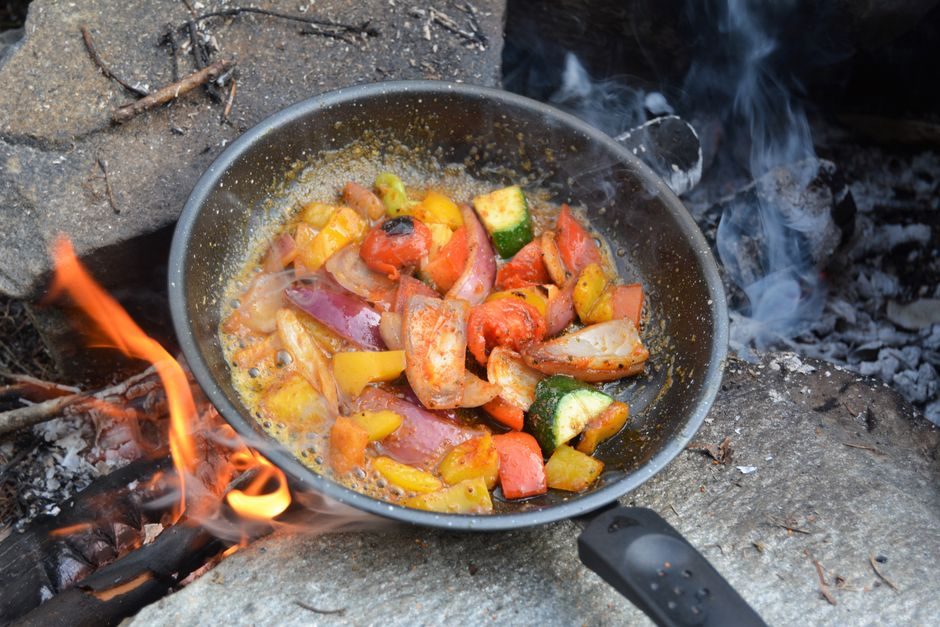
Peru is not a budget destination in the Vietnam sense. It is a live-somewhere destination. The monthly number absorbs rent, food, transport, everything, and it is the number that matters if you are staying put rather than passing through. Cooking your own food is most of the difference between that $890 and a figure twice as high. Peruvian markets sell quinoa, potatoes in dozens of varieties, avocado, and beans by the kilo for very little, and a kitchen in a rented room or a hostel with a shared stove turns those into most of a month’s meals. The vegetarian staples here are not an afterthought — they are the base of the local diet, which is part of why the number stays where it does.
Two Habits That Move The Number
One frugal cost-cutting item saved a traveler over $5,000 across seven years. That is a large number for a single habit, and it is the kind of number that only shows up when you track spending rather than estimate it. Tracking is the whole point. Most people who believe they are spending $30 a day are spending closer to $45, and the gap is made of small unrecorded purchases — a bottle of water, a coffee, a snack at a bus station. Writing it down for a month is uncomfortable and clarifying in roughly equal measure.
Couples have a second problem. Vacation budgets for two carry two extra concerns beyond solo trips: who pays for what during planning, and how to settle up after. Adding a who-paid column to a shared sheet avoids the on-trip “I paid for dinner last time” bookkeeping. The sheet matters more on longer trips, where the imbalance can build for weeks before anyone notices, and it removes the awkwardness of raising money mid-meal. The other couple’s habit worth copying is agreeing on a daily food budget before the trip and treating it as a soft ceiling rather than a rule, so a good market day can be balanced against a cheap one without a negotiation.
None of this is complicated. The cheap countries stay cheap if you eat what the cheap countries eat. The expensive ones stay expensive no matter how you eat. And the monthly cost of staying somewhere long enough to cook your own dinners is a different calculation entirely from the daily cost of moving through.
Leave a Reply