Some links on this page are affiliate links. If you book or buy through them, we may earn a small commission at no extra cost to you. It never changes what we recommend — every price here is one we would pay ourselves.
The same country, the same two weeks, and a difference of $25 a day either way adds up to $350 over a fortnight. Hotel rooms there can run $400 or more per night, and you still have to eat out for every meal.
What a Day Actually Costs
Vietnam runs $25 to $40 a day if you are careful. That figure covers the basics and not much else. Move up to $50 to $90 a day and the trip changes shape: comfortable hotels instead of dorm beds, restaurant meals instead of street stalls, Grab rides across town, and enough left over for an activity or two. You can spend far more than that. You do not have to.
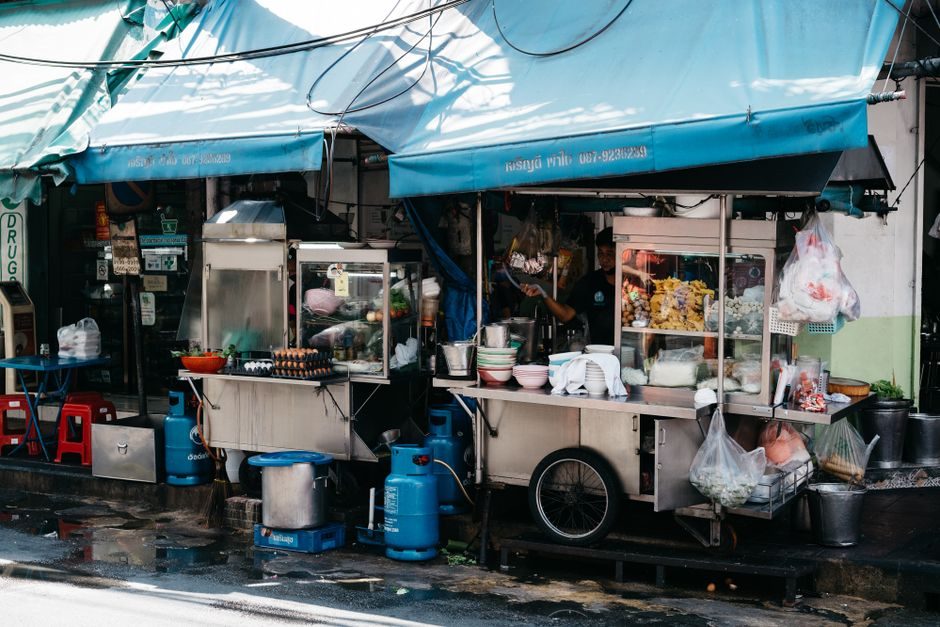
The mechanics of a cheap day in Vietnam are worth spelling out, because the line between the two ranges is made of small decisions. Breakfast is a bowl of pho from a stall with plastic stools and a queue of motorbike drivers, eaten before eight because that is when the broth is best. Lunch is a com tam plate or a banh mi from a cart that has been on the same corner for a decade. Dinner is whatever the family two doors down is grilling. The careful budget survives on this pattern: eat where the locals eat, walk or take the bus when the walk is under twenty minutes, and pay cash so the price stays the price. What pushes a day into the higher range is rarely one big splurge. It is air conditioning, taxis after dark, and the habit of eating in places with English menus, which are the places that have priced in the convenience.
That gap between the two ranges is the whole argument for tracking your spending before you leave, not after. The same country, the same two weeks, and a difference of $25 a day either way adds up to $350 over a fortnight. That is a flight.
The Resort Breakfast Problem
Kauai is the clearest example of a cost that looks fixed and is not. Hotel rooms there can run $400 or more per night, and you still have to eat out for every meal. A two or three-bedroom condo costs about the same as one hotel room. It also stops you paying $80 for breakfast at a resort.
That $80 is not a hypothetical. It is what a resort breakfast costs when you have no kitchen and no alternative within walking distance. Multiply it by however many mornings you are there and the condo pays for itself before you have done anything.
The island makes the arithmetic worse than it first appears. Kauai is roughly 100 miles around, and the resort belts sit at opposite ends of it. Staying in Poipu and wanting to see Hanalei means a drive of well over an hour each way, and that is before you stop anywhere. Rent a car and you are paying for it by the day plus the parking, which at some resorts is not included. Skip the car and you are booking tours that shuttle you around at a per-head price. Either way the geography takes a cut. A condo in the middle of the island does not solve the drive, but a kitchen solves the meals, and meals are the cost that repeats. Locals shop at the Costco near the airport on the way in and cook most nights, which is neither glamorous nor a secret. The grocery run on arrival is the single most common piece of advice residents give visitors, and it holds up.

Gear, Tours, and the Cost of Not Planning
A three-day local Amazon tour runs about $120 if you shop around. A five-day tour costs more, and that is the trade: fewer days, lower price, less river. Neither is wrong. What matters is knowing the number before you are standing in a town with one operator and no time to compare.
The town in question is usually where the road ends and the boats begin, and the operators there know exactly how many travellers are on the dock and how many beds are empty. Prices move with the season and the hour. Ask at three offices before committing, and ask what the price includes, because a cheap quote often excludes the park entry, the meals, and the return transport, all of which get added at the dock. Tours that leave early in the morning tend to be fuller and firmer on price. Tours leaving in the afternoon have empty seats and room to negotiate. None of this is a trick. It is just how a small market works, and it rewards anyone who arrives with a day to spare rather than a boat to catch.
Nepal trekking gear is the same story with a wider spread. If you already own everything, your gear cost is $0. If you are buying all essential items new for the first time, budget $800 to $1,500. Kathmandu’s Thamel district has a full gear market, rental and retail, where you can buy or rent down jackets, trekking poles, and the rest. Renting a down jacket for two weeks costs a fraction of buying one you will use once.
The Thamel shops cluster on a handful of lanes north of the main intersection, and most of them sell the same stock at the same few price points, so a short walk in either direction is enough comparison. The genuine branded gear sits in the glass-fronted shops and carries genuine prices. The rest is locally made, which is fine for a sleeping bag liner or a fleece and less fine for boots you plan to trust on ice. Rental is the sensible middle: a down jacket, a down sleeping bag, and trekking poles can all go back at the end of the trek, and the deposit is usually returned in cash when the gear comes back clean. Check the zips and the baffles before you leave the shop, because the exchange is much harder to argue from a tea house at altitude.
Imported whiskey, tequila, vodka, and cognac can hit $30 per drink. That is a meal in most of the countries on this list. If you are going to drink, drink local, or accept that three rounds is your food budget for the day.
The Southern Circuit and the Driving Problem
A 10-day safari on the southern circuit carries additional costs on top of whatever you have already budgeted. That assumes you are not spending days driving to the parks in the south, which adds cost by stretching the total length of the safari. The driving is the hidden line item. Every extra day on the road is another day of food, accommodation, and park fees.
Where driving is straightforward, renting often costs less overall.
Park fees are charged per person per day in most of the southern parks, and they are collected at the gate, not folded into the tour price. The same goes for the conservancy levies and the vehicle permit. A quoted safari price is often the vehicle, the driver, and the lodging, with the entry fees listed separately in small print or mentioned at the gate. Add the days spent getting between parks and the per-day total climbs faster than the headline number suggests. Flying between camps instead of driving cuts the road days but adds the cost of the flights, which is the trade the high-end operators are selling. Either way, the number that matters is the all-in daily cost, not the tour price.
High-end travel has its own number. An average daily budget of $200 or more should cover a high-end experience. That is the ceiling for most people reading this, and it is roughly five to eight times the careful Vietnam figure.
Why the Spreadsheet Matters
A blank, formatted spreadsheet is enough. Log your own round-the-world budget as you go, or save a copy and edit it yourself. The point is not the tool. The point is that $25 and $90 are both real daily budgets in the same country, and the only way to know which one you are running is to write it down.
The habit that makes it work is dull and takes two minutes a night. Write down what was spent, in the currency it was spent in, and convert it at the end of the week rather than the end of the trip. Card fees and cash withdrawals are the two things people forget to log, and they are the two things that quietly turn a $40 day into a $55 day. A note on the phone works as well as a spreadsheet if the spreadsheet is the thing that stops you doing it.
Winging it has a cost. If you do not know which end of a 100-mile island you are staying on, you are looking at costly delays and unnecessary transport spending. If you have no idea what deals exist and where they are, you pay whatever the first person quotes you. That is not adventure. That is a surcharge.
The numbers here are not discouraging. They are a map. Three days in the Amazon for $120. Vietnam for $25 a day. A condo on Kauai that costs the same as a hotel room and saves you $80 every morning. None of it requires a special talent. It requires knowing the figures before you go, and writing down what you actually spend when you get there.
Leave a Reply