A single dive in Southeast Asia typically runs $30 to $50. Two dive days back to back at $60 each means your average is $60, and if your total budget assumed $40 a day, you have just eaten four days of margin in two.
What a Dive Day Actually Costs
A single dive in Southeast Asia typically runs $30 to $50. That is the entry price, and it is cheap by global standards. A certification course costs more, but it pays for itself if you plan to dive several times during a trip. The math is simple enough: three dives at the walk-up rate versus one course that lets you dive for the rest of your life. Most people who get certified on holiday end up using it again within a year. That is the real return.
Adventure activities in the region — scuba, zip-lining, whatever else the hostel noticeboard is pushing — land somewhere between $30 and $100. That range is wide because operators vary wildly. A two-tank boat dive out of a well-known shop costs more than a local outfit running a single tank from a longtail. Both put you underwater. Only one comes with a laminated safety briefing and a fruit platter.
The walk-up rate is also not the only rate. Almost every dive shop in a tourist town runs some version of a package: five dives bought up front, a three-day block, a “fun diver” card that shaves a few dollars off each subsequent trip. The discount is rarely advertised on the board outside. It comes out when you ask at the counter and mention that you are staying a week, which is the single most useful sentence in budget diving. Shops would rather lock in a repeat customer than gamble on tomorrow’s walk-in.
What the headline price does not cover is worth knowing before you commit. Rental gear is often separate — mask, fins, wetsuit, computer — and a shop that quotes a low tank price may be quietly making it up on the wetsuit. Marine park fees are usually collected separately and go to the park authority, not the operator, so no amount of haggling removes them. Some islands charge a one-off reef tax on arrival. Ask what the total is for the day, gear included, before you hand over a deposit, and the answer will be different from the number on the sign.
The Daily Average Rule
Here is the constraint that matters more than any single price. Your overall trip budget divided by total days is your maximum daily spending cap. Call it the Daily Average Rule.
Spend $60 on a scuba day in Thailand and the next day needs to come in around $20 — street food, no tours, no bar — to keep your two-day average at $40. That is not punishment. It is arithmetic. Two dive days back to back at $60 each means your average is $60, and if your total budget assumed $40 a day, you have just eaten four days of margin in two.
The rule works in both directions. A $20 day buys you room to spend $60 the next. A $100 zip-lining afternoon? You need $20 days for the next three to hold a $40 average. Most people blow this on day four and spend the rest of the trip doing sums in their head at dinner.
The practical version of the rule is a running tally, not a daily one. Keep a rough total of what the trip has cost so far and divide by days elapsed. That number is the truth; the day-to-day figure bounces around too much to be useful. A dive day that pushes the running average up by a few dollars is fine if the trip is three weeks long. The same dive on day two of a ten-day trip is a problem, because there is less time left for the cheap days to pull the average back down. Front-loading the expensive stuff is how budgets die.
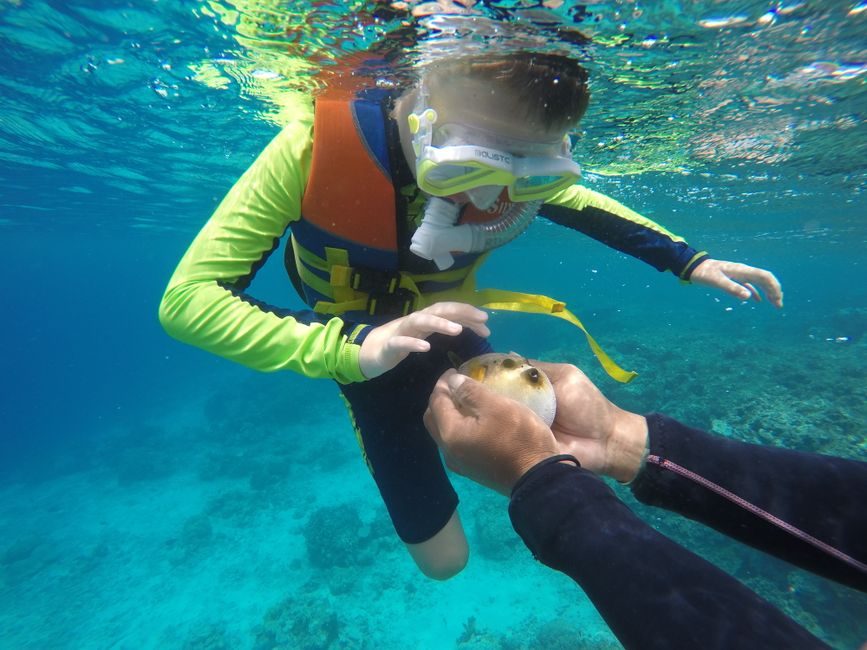
Dive days also tend to cluster for reasons that have nothing to do with money. Boats go out in the morning. Two dives and the surface interval eat most of the daylight, and by the afternoon the sensible move is a hammock, not a temple tour. So a dive day is not just $60 of activity — it is a day on which nothing else gets done, which is fine, as long as the cheap days around it are genuinely cheap and not just cheap on paper.
Where the Cheap Diving Is
Southeast Asia is the answer, and it is not close. A three-day, two-night stay with three dive trips can cost as little as $100. That is accommodation, food and three dives. Compare that to almost anywhere else and the gap is not marginal. Divers return to the region for exactly this reason.
Indonesia rewards planning. Two weeks or two months, the diversity of islands is enormous, and a realistic daily budget plus sensible transport decisions stretches the money a long way. Local meals over restaurant meals. Buses over internal flights where the distances allow. None of it is complicated, but it has to be decided before you arrive, not on the pier at 7am.
What that planning looks like in practice: pick two or three bases rather than six, because every move costs a day and a fare. Book the long ferry legs a day ahead at the harbour office rather than through a guesthouse, which adds a commission. Eat where the shop staff eat. On the smaller islands the dive outfit and the guesthouse are often run by the same family, and staying where you dive tends to produce a better rate on both than booking them separately — not always, but often enough to ask.
The season matters more than the map. Diving towns have a high season and a wet season, and the difference shows up in room rates, boat schedules and visibility. In the wet season some shops run reduced trips or shut entirely, which can mean a cheap room and a cancelled dive. The cheapest month is not always the month worth going.
The Trekking Comparison
If you are weighing diving against trekking, the guide rates are worth knowing. A licensed trekking guide costs $25 to $35 per day on standard routes. High-altitude or restricted-area routes run $35 to $50 per day, because advanced certifications — Wilderness First Responder, high-altitude training — command a premium. Two days of standard guided trekking costs roughly what one certification dive day costs. Four days of high-altitude guiding costs more than a three-day dive package with three trips.
That does not make trekking bad value. It makes the comparison concrete, which is the point. A $100 three-day dive stay is not a compromise on quality. It is a different product at a genuinely lower price.
There is a physical difference too, and it affects the cost. A guided trek is a full day of walking, so the day is spent and the money is spent together. A dive day is mostly waiting — gear up, boat out, two tanks, surface interval, boat back — with a couple of hours underwater and a lot of sitting. People who expect a dive day to feel as full as a trek day are usually the ones who book a second one immediately and blow the week’s average. The trek also tends to come with a porter and a permit fee on the restricted routes, which is where the higher per-day rate goes; none of that is padding, it is the cost of the paperwork and the extra hands.
The Small Costs That Add Up
Laundry runs about $8 a wash on average. That is not a rounding error over a month. Toiletries — mosquito spray, sunscreen, toothbrushes — get bought new on the road, and sunscreen in a diving town is not cheap.
Portugal offers a useful contrast. Dining costs vary by restaurant grade, location and meal type, and tipping is not mandatory nationwide. A voluntary 5 to 10 percent is appreciated for good service. Listed prices are final pre-tax fees, which makes budgeting easier than in countries where tax appears at the register.
The broader picture: some people travel the world for a year on about $5,400. Others spend the same on two weeks in the Maldives. Both are valid. Only one of them involves a $30 dive and a $20 street-food day to keep the average at $40.
The other quiet drain is gear you buy in a panic. A mask that fogs, a rash vest, a dive computer rented by the day for a week — the rentals add up to more than the item would have cost, and everyone works this out on about day five. Buy the mask once, in a shop where you can try it on and the staff will let you test the seal against your face, and rent everything else until the rental total approaches the purchase price. Dive shops are also good places to buy second-hand fins from departing travellers, though the noticeboard at the hostel usually gets there first.
Leave a Reply