
Some links on this page are affiliate links. If you book or buy through them, we may earn a small commission at no extra cost to you. It never changes what we recommend — every price here is one we would pay ourselves.
In USD that is roughly $18, depending on the rate you get. Special permits in those regions run from $50 to $500, and the range depends on where you go and how long you stay.
The Crater Costs Extra
Two hundred and ninety-five dollars. That is what it costs to drive down onto the floor of the Ngorongoro Crater, and that is on top of the $318 you have already paid for two adults and a vehicle to enter the conservation area at all. So a couple in a car pays $613 before anyone has seen a single flamingo. Plenty of people arrive at the gate with the first number in their head and leave with the second.
The mechanics of it are worth spelling out, because the crater is where the two-tier pricing catches people out. The conservation area fee is charged per person per day plus a vehicle charge, and it is collected at the gate on the rim before the road drops. The descent fee is a separate payment, and it is levied on the vehicle, not on the passengers, which is why a full Land Cruiser with six people pays the same $295 as a couple in a rented Corolla. That is the one small mercy in the whole arrangement: if the group is bigger, the crater fee spreads thinner. Guides and drivers usually handle the paperwork at the gate office themselves, and the process eats twenty to thirty minutes even when the queue is short. What typically goes wrong is cash. The gate takes card payment in theory, but the connection on the rim is unreliable and the queue behind a stalled terminal builds fast, so most operators carry enough cash to cover the fees for the whole day. Arriving at midday in high season means sharing the crater floor with a couple of hundred other vehicles, and the descent road is one-way in the morning and one-way out in the afternoon, so there is no sneaking down early. The flamingos are on the soda lake at the far end, and the drive there and back, with the required exit time, is most of a day.
Park fees are where budgets go to die. Standard entry to the popular routes in Nepal, Everest and Annapurna among them, is fixed at NPR 3,000. In USD that is roughly $18, depending on the rate you get. Not ruinous. But that is the entry fee only, and the trekking that follows is not a museum visit.
The Nepali arrangement is more layered than a single ticket. The entry fee goes to the national park office, and it is checked at a booth on the trail, sometimes more than once, so the receipt needs to stay in a pocket that does not get wet. On top of that comes the TIMS card, the trekkers’ information management system, which is a separate registration and a separate charge, and it exists mainly so that someone knows roughly where a walker is supposed to be. Locals working the teahouse circuit treat the checkpoints as routine and keep all their paperwork in one plastic sleeve. Independent trekkers who have stuffed receipts into a rucksack pocket are the ones who spend twenty minutes unpacking at altitude while a queue forms behind them. The booths are not always staffed at the hours the guidebook implies, and a checkpoint that is closed on the way up is often open on the way down, which is not much comfort to someone who assumed the fee had already been settled.
Permits You Did Not Plan For
Restricted areas are a separate line item. Special permits in those regions run from $50 to $500, and the range depends on where you go and how long you stay. That is not a rounding error. A three-week trek through a restricted zone can cost more in paperwork than in guesthouse beds.
The reason for the spread is that restricted-area permits are usually priced per day and per region, and some of them are priced per week with a minimum. A short loop into one restricted district is at the cheap end. A longer route that crosses two or three controlled districts, or that enters a region where the government requires a registered agency and a licensed guide, climbs toward the top of the range quickly. In several of these areas the permit cannot be bought by an individual at all; it has to be arranged through an agency, which adds a service charge that never appears in the headline figure. The permit is also tied to a named itinerary, so changing plans mid-trek means starting the paperwork again rather than simply walking a different way. The practical consequence is that restricted-zone trips need to be costed before the flight is booked, not after, because by the time a trekker is standing in the permit office in Kathmandu the number is fixed and the schedule is not.
Machu Picchu sits in a similar bracket. Entrance to the site starts at around $50. You have climbed to the gate, you have caught your breath at the entrance to a place people call one of the seven wonders, and then you pay. It is worth knowing the number before you get there rather than after.
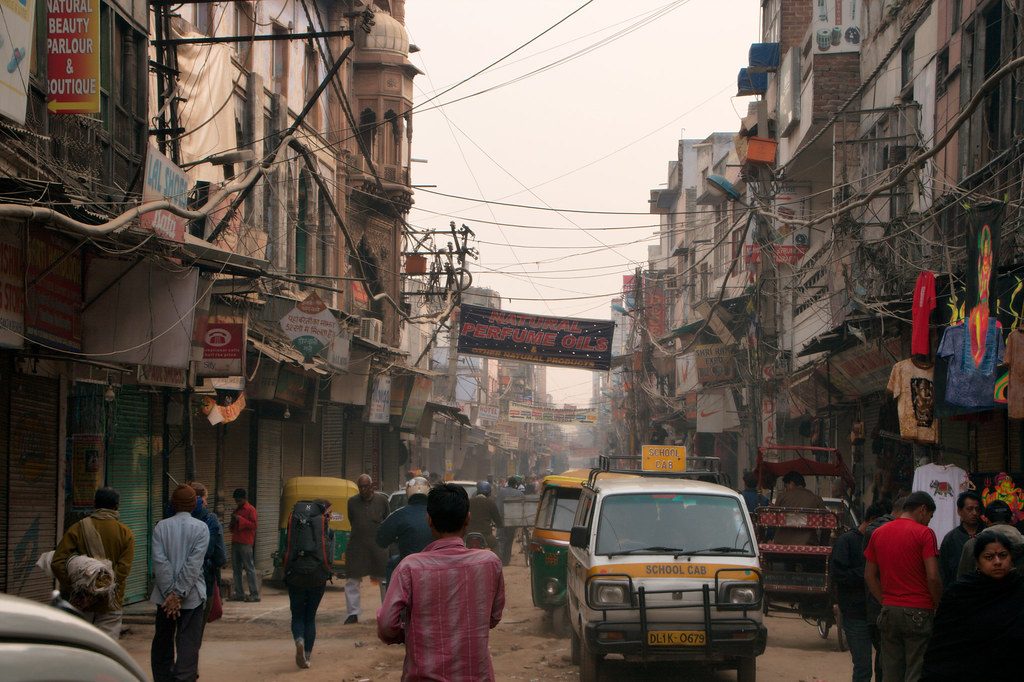
The entry system here is stricter than most ruins. Tickets are sold for timed slots, and the site is divided into circuits, each with its own route through the terraces, so the ticket bought in advance determines which way a visitor walks and whether the climb up Huayna Picchu is included. Huayna Picchu is a separate ticket again, and it is capped at a small daily number that sells out weeks ahead in the dry season. The gate checks passports against the name on the ticket, and a ticket bought under a different spelling is a problem at the turnstile rather than at the booking page. Buses up from Aguas Calientes queue from before dawn, and the last of them fills well before the first light, so the timed slot and the bus queue have to be planned together. Guides are not compulsory, but the signage inside is thin and the interesting detail is the kind that only comes out of a conversation.
Europe on a Daily Number
Austria runs about €100 a day, which converts to roughly $108. That buys a reasonable room with breakfast, lunch in a restaurant, public transport and a few attraction tickets. Nothing luxurious. It is a workable figure for a country that is not cheap, and it assumes you are not drinking your way through Vienna.
The shape of that daily number is worth understanding, because the room is most of it. A private room in a mid-range guesthouse with breakfast included can swallow well over half the budget, which leaves the rest for transport, one paid attraction and food. Austrian museums are rarely free, and the big ones in Vienna charge a full ticket price rather than a suggested donation, so a day with two museums in it is a day that goes over. The cheap version of Austria is the version where the walking, the churches and the markets carry the day and one ticket does the heavy lifting. Breakfast is the meal to take seriously, since a guesthouse spread of bread, cheese, cold cuts and coffee is effectively two meals for the price of the room. Supermarket lunches eaten on a bench are the standard local move, and nobody looks at a traveller sideways for it.
For the headline museums, an advance booking is cheaper than the door price more often than not.
Guatemala is a different calculation. You can live well on £65 a day, which is about $82 at the current rate. That covers the nicer hostels, eating out, drinks, good coffee and bucket-list excursions. It is one of the better-value countries in Central America, and the daily number reflects that.
Antigua is the exception that proves the rule. It is the most expensive town in the country, and a dorm bed there costs more than a private room in Quetzaltenango, but the excursions that pull people in are what move the daily figure around. The volcano hike up Acatenango, which most people do overnight with a camp near the summit, is priced as a package with a guide, transport, food and gear, and it is the single biggest line on most travellers’ Guatemala budget. The shuttle between Antigua and Lake Atitlán is another fixed cost, and it is the kind of journey where the tourist minibus costs several times the chicken bus and saves a couple of hours. Spanish schools are the other quiet expense, since most of them bundle lessons with homestay accommodation and meals into a weekly rate that works out cheaper than paying for each separately.
Norway is not. A one-way bus from Oslo to Bergen, a very long trip in its own right, runs 400 to 500 NOK. That is $37 to $46 for a single seat on a bus. Comparable prices show up all around the country.
The saving grace in Norway is that the tickets are cheaper bought in advance through the transport apps rather than at the door, and the price climbs as the departure fills. The scenery on the Oslo to Bergen run, which crosses a high mountain plateau and takes most of a day, is the reason people take the bus rather than fly, and the seats on the top deck fill first. Food is where the budget actually breaks: a supermarket sandwich and a hotel breakfast carried out in a napkin are how locals keep costs down, and restaurants are a once-a-trip event rather than a daily one.
Stockholm sits in the middle. City buses are $4 for a one-zone ticket valid ninety minutes. Long-distance trains between Stockholm and Malmö start at $15, but most tickets land between $80 and $100. The cheap fare exists. It is not the one you will probably buy.
The reason is that the cheap tickets are released in limited numbers on specific departures, usually the ones nobody wants, and they vanish months ahead. Booking late means paying the walk-up price, which is the number most travellers end up reporting. The ninety-minute transfer window on local transport is generous enough to cover a change of bus or tram in the middle, and the ticket is loaded onto a card or a phone rather than bought from the driver, which is a detail that catches out anyone used to paying on board.
The Fee You Forget
In 2015 and 2016, travelling for a full year, cards like Monzo did not exist. A regular bank card from home, used across a year, incurred £500 in fees. That is about $630. Converted the other way: an extra month of travel, spent instead on nothing at all. The research was not done, and the cost was real.
The fees were not one big charge but a slow accumulation. Each foreign transaction carried a percentage, each cash withdrawal carried a flat fee plus a percentage, and the exchange rate applied was the bank’s own rather than the market rate, which is where most of the money actually went. None of it showed up as a line item until the statement arrived. The fix is unglamorous and it is done before departure: a card that charges nothing for foreign use, and a second card from a different provider kept somewhere separate in case the first is blocked. Machine withdrawals are the expensive way to get cash; a single larger withdrawal costs less than three small ones, because the flat fee is charged each time.
Mexico has its own version. Every international visitor pays the DNR, the Derecho No Residente, and it rose from 861 MXN in 2025. That is a fixed charge on entry regardless of how you travel or where you stay.
In practice the DNR is usually folded into the airline ticket, which is why many visitors never notice paying it, and it is collected at the airport on arrival for those who arrive by land. Crossing a land border, the charge is paid at a bank window near the immigration desk rather than to the officer, and the receipt has to be kept, because it is checked again on departure. Travellers who arrive overland and assume the fee only applies to flights are the ones who get sent back across the concourse to find the bank.
Then there are the small leaks. Delivery apps add packaging charges, peak-hour surges and minimum order fees. Over a 20-day trip those add up fast, and none of them appear in the headline price of the food.
The pattern repeats across most of the apps. The delivery fee is quoted first and looks reasonable, then a service charge appears at checkout, then a small-order fee if the basket is under the minimum, then a packaging charge per item, then a surge multiplier if it is raining or late. A meal that looked like a bargain on the restaurant’s own
Leave a Reply