Some links on this page are affiliate links. If you book or buy through them, we may earn a small commission at no extra cost to you. It never changes what we recommend — every price here is one we would pay ourselves.
The terminal sits about 15 minutes by local bus from the Ciudad Vieja, and the local bus fare runs roughly $1.20. Hostel dorms in Montevideo run $15 to $25 a night depending on the neighborhood.
Montevideo’s Tres Cruces bus terminal has lockers. Travelers report paying around $4 for a full day, which matters because the terminal doubles as the country’s main long-distance hub and a place where you might end up with six hours to kill between arrivals. The terminal sits about 15 minutes by local bus from the Ciudad Vieja, and the local bus fare runs roughly $1.20. That fare applies whether you ride two stops or twenty.
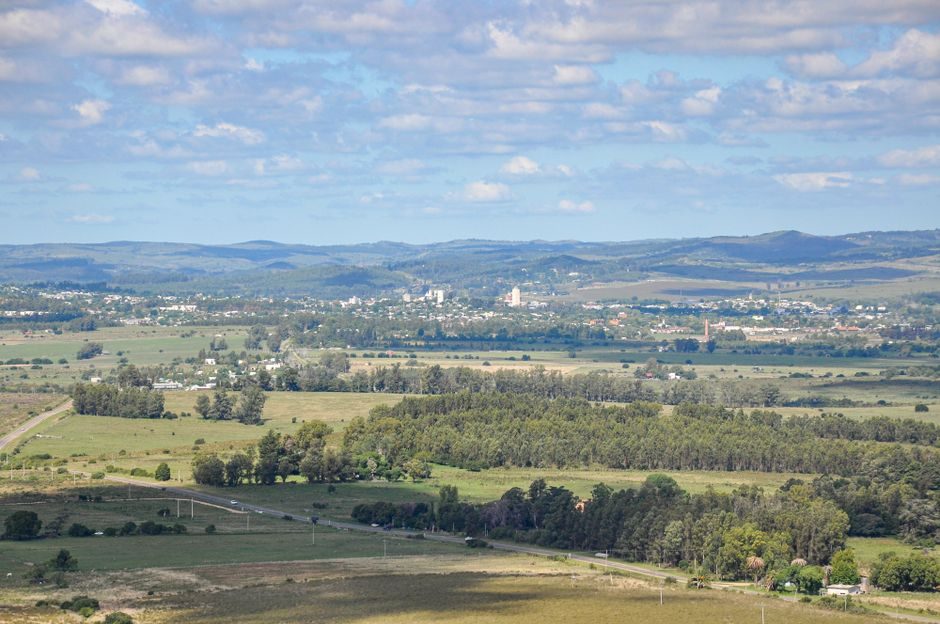
Uruguay is small. The whole country holds about 3.4 million people, and roughly half of them live in Montevideo. That single fact explains a lot about how the place works. Outside the capital, you are moving through farmland, small towns, and a thin strip of coast.
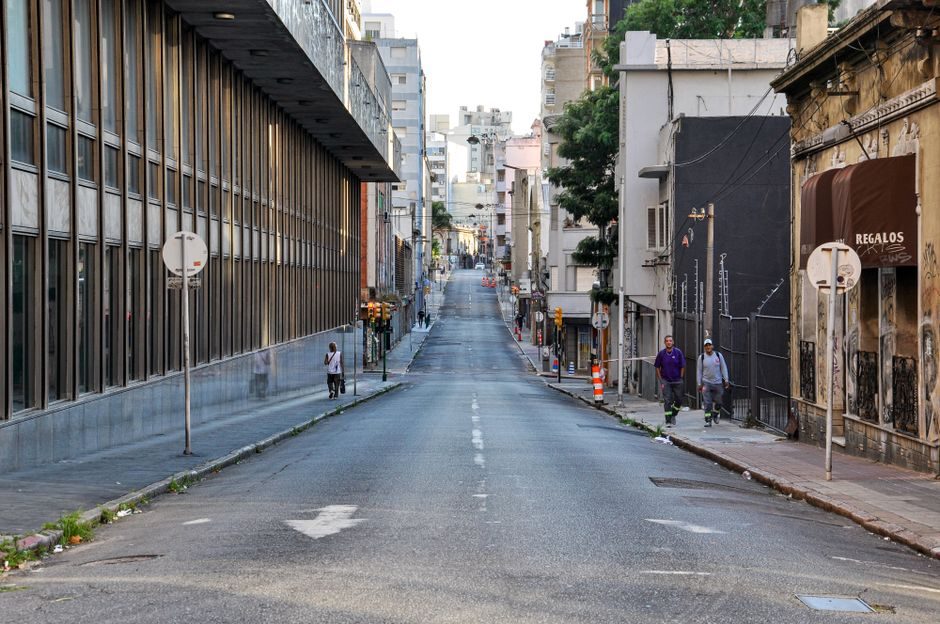
Montevideo Numbers
Hostel dorms in Montevideo run $15 to $25 a night depending on the neighborhood. The Ciudad Vieja is the cheapest and the loudest. Pocitos is quieter and costs a few dollars more. A private room in a hostel goes for $40 to $60. Budget hotels, the kind with a shared bathroom down the hall, start around $35.
Food splits into two tiers. A chivito — the national sandwich, beef, ham, egg, cheese, olives, mayo — costs $8 to $12 at a sit-down place and $5 to $7 from a street cart. A parrillada for two, which is a mixed grill that could feed three, runs $30 to $40. Supermarket shopping for a day of self-catering comes in around $10 to $12 if you stick to bread, cheese, fruit, and a rotisserie chicken from the deli counter.
The Mercado del Puerto is the famous lunch spot. Travelers consistently report it is not cheap. Expect $25 to $35 per person for a proper grill meal there. The food is good. The markup is for the room, the smoke, and the crowd.
Public transport inside Montevideo costs about $1.20 per ride. A day pass is not really a thing. You pay per boarding, and you pay in cash or with a rechargeable card bought at a kiosk. Travelers report the card itself costs around $1 and you load it in increments of $5.
The Coast
Colonia del Sacramento is 2.5 hours from Montevideo by bus, and the fare is $12 to $15. The old town is a UNESCO site and is genuinely small — you can walk the historic quarter in 90 minutes. Most travelers do it as a day trip. Staying overnight means paying $20 to $30 for a hostel dorm, and the town empties out after the last ferry leaves, which some people like and some people find eerie.
Punta del Este is 2 hours from Montevideo by bus, fare around $10. In January, dorm beds hit $40 to $60 and private rooms go past $100. In July, the same dorm is $12 to $18. The town is a beach resort with a population that swings from about 10,000 year-round to several hundred thousand in high season. Travelers who go in shoulder season — October, November, April — report paying around $20 for a dorm and having the beaches mostly to themselves. The water is cold outside January and February. This is not a small detail.
Piriápolis sits between Montevideo and Punta del Este. Bus fare is about $8. Dorms run $15 to $20. It is quieter than Punta and cheaper, and the hill with the elevator to the viewpoint costs a few dollars to ride up.
Buses and Distances
The bus network is the way you move. Montevideo to Punta del Este is 2 hours. Montevideo to Colonia is 2.5 hours. Montevideo to Salto, in the northwest near the hot springs, is 6 hours and costs $25 to $30. Montevideo to Rivera, on the Brazilian border, is 7 hours and costs around $30.
Buses are comfortable. They have reclining seats and most have Wi-Fi that works about half the time. Travelers report buying tickets a day ahead is usually enough, except around January and during Semana Santa, when coastal routes sell out two or three days out.
If the queue looks long, having a ticket already is what saves the afternoon.
There is no train network worth using. The rail lines exist mostly for freight.
Money and Costs
Uruguay is the most expensive country in South America by most travelers’ reckoning. A day of dorm bed, three cheap meals, and a couple of bus rides lands between $40 and $55. Add a parrillada dinner and a museum entry and you are at $70 to $80.
ATMs work and dispense Uruguayan pesos. Travelers report withdrawal fees of $3 to $6 per transaction depending on the bank, so taking out larger amounts less often saves money. Cards are accepted widely in Montevideo and Punta del Este. In smaller towns, cash is the norm. The $100 note can be hard to break outside the capital, so keep smaller bills.
Tipping is not mandatory but 10 percent is standard in restaurants if a service charge is not already on the bill. Check the bill. Sometimes it is there.
What Travelers Flag
The tap water is drinkable in Montevideo and most cities. Travelers drink it without issue.
Summer is December through February. It is hot and humid, and the coast is packed. Winter is June through August, and it is damp and gray, with temperatures in the 40s and 50s Fahrenheit. Shoulder months — March, April, October, November — get consistent reports of good weather and lower prices.
The ferry across the river to Buenos Aires takes about 2 hours and 15 minutes and costs $50 to $90 depending on the day and how far ahead you book. A bus from Montevideo to Buenos Aires takes longer and involves a border crossing.
Crime is low by regional standards. Travelers report the usual: watch your bag in the bus terminal and on crowded buses. Nothing dramatic.
One last number. The country has a population of 3.4 million and a coastline that runs for hundreds of miles. You can see a lot of it in two weeks. Most travelers who go for a month report they had time to slow down, which is the point of a place this size.
Leave a Reply