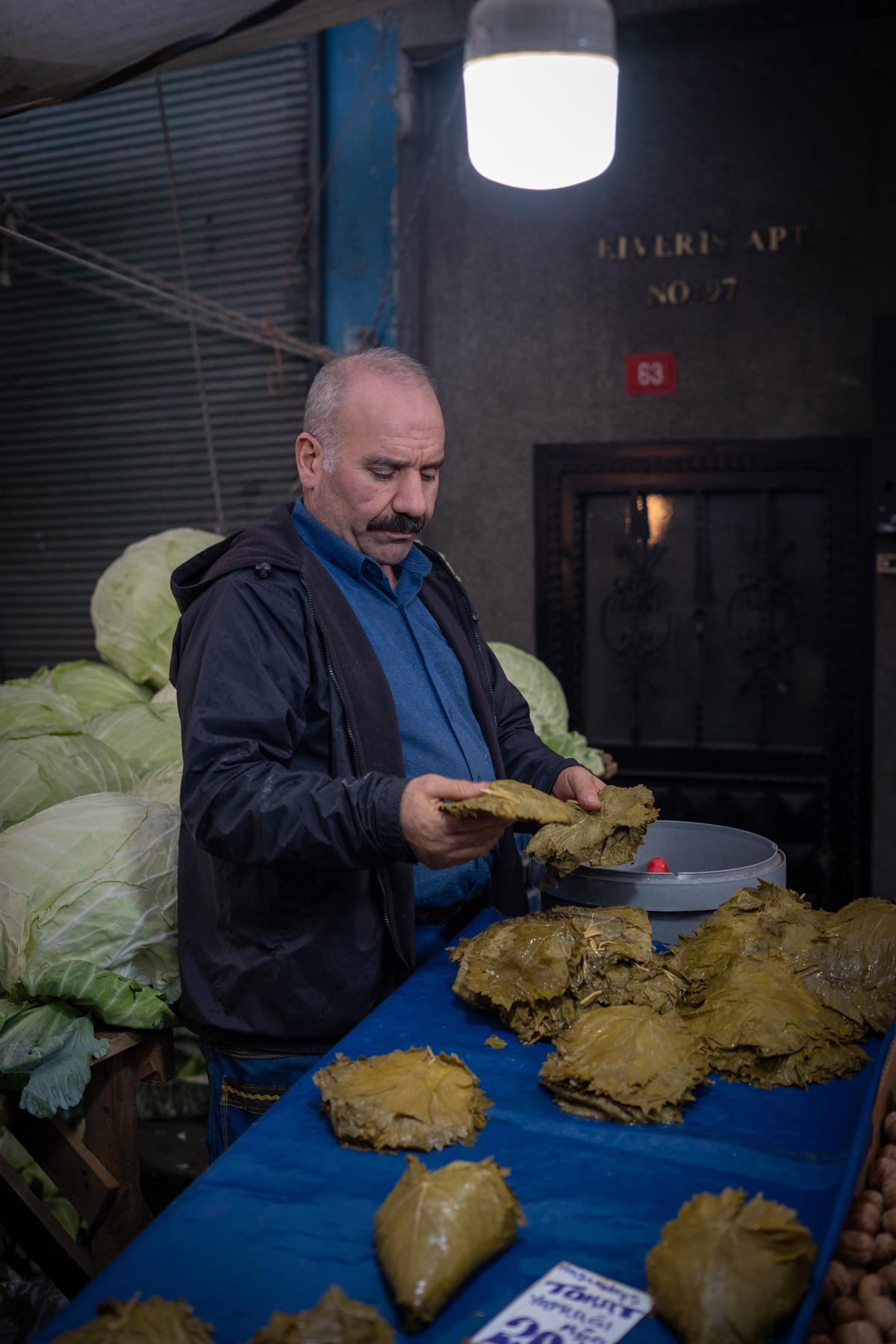
Street food and local eateries fill you up for $1 to $3. Carrying 500,000 to 1,000,000 dong, which is $20 to $40, covers a full day of street food, drinks, local transport and light market shopping.
The Daily Number
A backpacker in Bolivia can eat for $1 to $3 a meal. A backpacker in Thailand can spend $18, $55 and $185 for the same seat on the same flight, but that is a different problem. The food problem is simpler and it varies more than most people expect.
Start with the low end, because that is where the math gets interesting. Hostels in Bolivia run $5 to $10 a night. Budget hotels run $15 to $25. Street food and local eateries fill you up for $1 to $3. A mid-range restaurant meal costs $5 to $10. Add it up and a day of dorm bed, three cheap meals and local transport sits comfortably under $20. That is not a stripped-down existence. That is the actual price of the country.
What that money buys in practice is worth spelling out, because “street food” covers a lot of ground. In Bolivia the staple lunch is the almuerzo, a set menu served only between roughly noon and half past two, usually a soup followed by a plate of rice, potato and some kind of meat, with a jug of watered-down juice on the side. The price is fixed and posted on a board or painted on the wall, so there is no negotiation and no surprise. Miss the window and the same kitchen will sell you a la carte for noticeably more. Locals eat the almuerzo on the dot of twelve, which is why the good places have a queue and the mediocre ones do not. Watch where the office workers walk at midday and follow them. The other reliable signal is turnover: a stall that is visibly restocking mid-service is moving product fast, and fast turnover matters more than any hygiene inspection sticker.
India lands in similar territory for food. Street meals run $1 to $2. Mid-range restaurants push that to $10 to $20 per meal, which is a jump of ten times for a table and a menu. Luxury restaurants go $35 and up. The gap between the pavement and the dining room is the single biggest variable in a food budget, and it is not a gradual slope. It is a cliff.
The cliff is partly about what is on the plate. The cheap end in India is often vegetarian by default, which is why it is cheap: dal, rice, a couple of chapatis, a pickle, maybe a thali served on a steel tray with small bowls that get refilled until you stop asking. The expensive end is where meat, imported ingredients and air conditioning enter the bill. It is also worth knowing that the busy street stalls are frequently the safer bet, not the riskier one. A stall with a queue is cooking in small batches and selling out, which means nothing sits around. A quiet stall with food already plated and waiting under a lamp is the one to walk past. Ask for it fresh and watch it hit the pan; if that is not possible, that tells you something. Nothing about this is a guarantee, but it shifts the odds, and the odds are what a food budget is really about.
Where the Money Goes
Vietnam sits in the middle. Carrying 500,000 to 1,000,000 dong, which is $20 to $40, covers a full day of street food, drinks, local transport and light market shopping. That range is wide on purpose. Twenty dollars is a comfortable day. Forty is a day with room to spare. The practical note here is about denominations. Smaller bills matter, because a 500,000 dong note is hard for a small vendor to break. A vendor selling a bowl of noodles for the equivalent of a dollar or two cannot make change for a note worth twenty times the meal.
The fix is straightforward and worth doing before anyone is hungry. Break large notes at a convenience store, a supermarket or a bank counter rather than at a food stall, and keep a folded stack of small notes in a separate pocket from the big ones so the right bill comes out on the first try. Vendors who have been handed a large note will sometimes hold it up to the light, walk it down the row to a neighbour, and come back several minutes later with change assembled from three different tills. It works, but it costs time and goodwill. The other thing to know is that prices at a sit-down pho shop and a pavement stool are often nearly identical, so the decision is about comfort rather than cost. Breakfast is the meal locals take most seriously, which is why the best bowls sell out by mid-morning and the shop simply closes when the pot is empty.
Tipping in Vietnam is not strongly established. Mid-range and upscale restaurants add a 5 to 10 percent service charge to the bill, and that is the end of it. No extra needed. Tour guides get 100,000 to 300,000 dong per day per guest, which is $4 to $12. Street food, taxis and budget guesthouses expect nothing.
The Island Tax
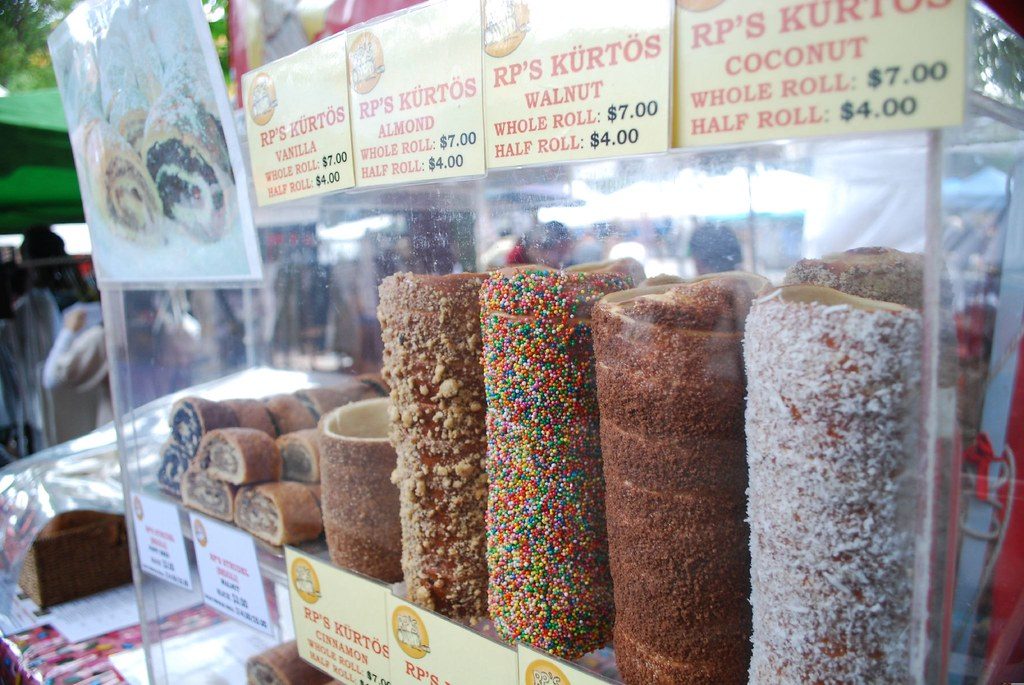
Thailand has a split personality on price, and the split is geographic. On tourist islands, operating costs are higher. Rent is higher. Moving ingredients onto an island costs more. The result is that street food gets premiumized for tourists, with dishes starting at 120 to 150 baht. Converted, that is roughly $3.50 to $4.30 for a plate that would cost a fraction of that on the mainland. Same dish. Same plastic stool. Different postcode.
The mechanism is dull and entirely predictable. Everything on an island arrived by boat or by truck on a ferry, and the person who owns the patch of pavement near the beach knows exactly what the nearest alternative costs. Menus get printed in two languages with two columns, and the second column is not a translation of the first. The tell is a laminated menu with photographs and prices ending in round numbers; the mainland version is a painted board with one price for everybody. Walk two streets back from the sand and the prices usually drop toward something recognisable, because that is where the people who work the beachfront eat. Portions also shrink as prices rise, so the plate that looks like a bargain in the photograph can arrive smaller than the one sold inland for a third of the money.
This is where budgets quietly fail. The plan is to grab something cheap. The reality becomes a €40 dinner every night, which is about $43. The word “cheap” does no work in a place where the cheap option has been repriced for people who arrived on a plane.
Cash, Cards, and the Souk
Morocco runs on a different logic. Credit cards work at larger hotels, tour operators and some restaurants. Cash is required for souks, street food, petit taxis, tips and any small shop in the medina. Mid-range travelers should plan on 500 to 800 dirhams in cash per day, which is $50 to $80. That is not a small float. That is the operating budget, and it needs to be in hand before you walk into the medina, because the medina does not take cards.
Two practical things follow from that. The first is that ATMs inside the medina are scarce and the ones that exist run out of cash on weekends and holidays, so the withdrawal happens at the airport or at a bank on the new-town side before the walk in. The second is that a day’s cash needs to be split across two pockets, with the bulk left somewhere secure, because the medina is crowded in a way that is genuinely difficult to describe and a full day’s float in one place is more than anyone wants to lose. Small notes also solve a specific problem: a taxi driver asked to break a large note at the end of a ride will often claim not to have change, and that claim is much harder to make when the fare is handed over in exact coins.
Food in the medina is a rolling operation rather than a seated event. Grills fire up in the late afternoon, smoke drifts down the alleys, and the busiest stalls are the ones where the meat is being cooked to order in front of a crowd rather than reheated in a tray. Bread is bought from a separate stall and carried to the grill. The whole meal is eaten standing up or on a bench, takes maybe fifteen minutes, and costs a fraction of what a restaurant with a courtyard charges for the same ingredients. The rhythm is worth learning early, because the stalls that are heaving at eight in the evening are quiet and slightly sad at four in the afternoon, and the difference is entirely about when the locals eat.
The broader pattern across all of this is that spending tiers are built on ratios, not guesses. A backpacker tier is dorm beds, local street food and public transport. A standard tier is private three-star hotels, casual sit-down restaurants and metro passes. A luxury tier is resorts, fine dining and private transfers. Each tier multiplies the one below it. The food line is where the multiplier bites hardest, because eating happens three times a day and the gap between a $1 plate and a $35 plate is thirty-five times.
The Working Figure
For a backpacker running dorm beds, street food and local transport, the daily figure holds around $18 to $55 depending on country and appetite. Push to $60 a day and you are eating better, drinking more, or both. None of this requires discipline so much as knowing which country you are in before you order.
The rest is timing and habit. Eat when the locals eat, buy where the queue is, keep small notes on the outside and the day’s float on the inside, and treat any menu with photographs and no local customers as a warning rather than an invitation. None of that is exotic advice. It is just the difference between paying the country’s price and paying the airport’s, and over a few weeks on the road the gap between those two numbers adds up to another flight.
Leave a Reply