What a Day of Food Costs
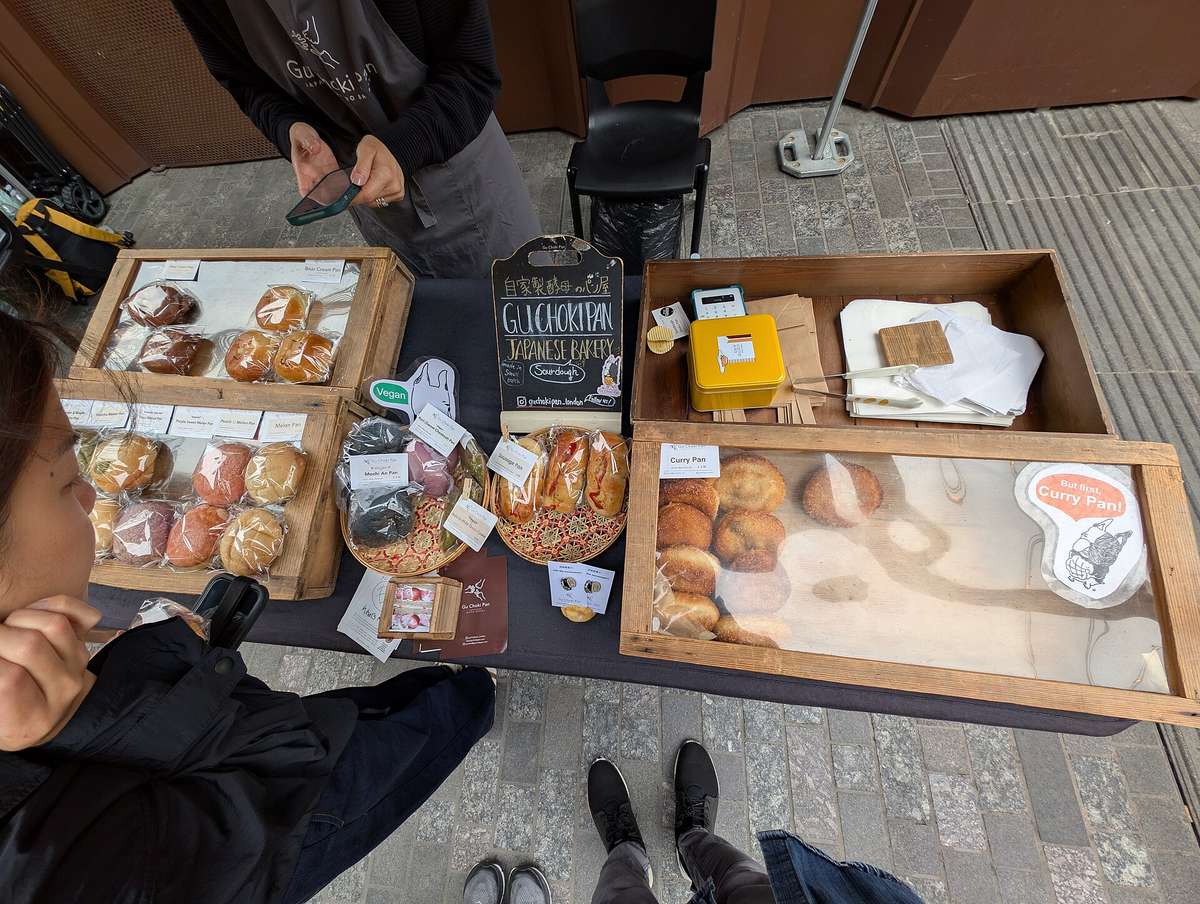
Five to twelve dollars a day. That is the whole food budget in a lot of places, and it is not a starvation number. Street food runs $1 to $3 a dish. Sit-down restaurant meals run $3 to $8. You can eat three times and still have change.
In Thailand the split is sharper. Street food costs $1 to $5. Restaurant meals average $10 to $30. Same country, same day, and the gap between the two is the single biggest lever you have over what the trip costs.
A dollar in Thailand is about 35 baht. That buys street food, drinks, convenience items. Small everyday things. The dollar stretches further on food than on almost anything else, which is why the food line in a daily budget can stay low without much effort.
Two Sets of Prices
Thai street food prices in 2026 vary greatly depending on whether you eat like a local or in tourist-heavy areas. That is not a small difference. Follow the crowds to street food stalls and shophouse restaurants. If the menu is in Thai, prices are usually 30 to 50 percent lower.
Tourist areas charge tourist prices. It is that simple.
The same pattern holds outside Thailand. Filipino street food and local eateries serve authentic flavours at a fraction of the cost of the places built for visitors. The food does not get better when the menu is translated. It gets more expensive.
One traveller’s weakness was churros. Five Mexican pesos at most places. That is a few cents a piece, and the street food spend went almost entirely to them. Cheap food does not stay cheap if you eat enough of it, but at that price the damage is small.
The Ceiling Is High
Everything is available. Street food for $1 and fine dining for $100 and up. You can sleep in a decent room for $10 a night, or spend a few thousand dollars in one of the ultra-luxury resorts, or spend even more on a villa estate.
The floor is low. So is the ceiling, if you want it to be. A destination does not set your costs. Your choices do.
That matters for planning. A place with $1 street food and $100 tasting menus is not an expensive country or a cheap one. It is both, and you pick. The budget traveller’s version of a place and the resort guest’s version share a postcode and almost nothing else.
Haggling, and When Not To
Night markets and floating markets expect bargaining. Start at 50 to 60 percent of the asking price. That is the opening move, not the final one. Work up from there.
Never haggle in 7-Eleven or malls. The price is the price. Trying to negotiate at a fixed-price counter wastes everyone’s time and marks you as someone who has not worked out which is which.
Markets are the opposite. The first number is an invitation. Half of it is a reasonable place to start.
What It Adds Up To
A day of street food at $1 to $3 a dish lands inside that $5 to $12 daily range without much thought. One restaurant meal at $10 to $30 can eat a whole day’s budget in a single sitting. Two of them and the week’s numbers change.
The travellers averaging $5 to $8 for a sit-down meal and a couple of dollars for street food were not doing anything clever. They were eating where the prices were lower and letting the difference compound across weeks.
Prices reflect market conditions and common listings through May 2024, and actual costs in 2025 may vary with fuel, demand and exchange rates. The ratios tend to hold even when the absolute numbers drift. Street food stays a fraction of restaurant food. Local areas stay 30 to 50 percent below tourist ones. A dollar still buys something worth eating in the right market.
The money goes where you point it. Point it at the stall with the queue and the Thai menu, and the food line stays small.
Leave a Reply