Some links on this page are affiliate links. If you book or buy through them, we may earn a small commission at no extra cost to you. It never changes what we recommend — every price here is one we would pay ourselves.
As a US citizen on a budget, you can spend $30 per day by staying in hostels and eating street food.
The Math of Eating Well
A budget trip in the U.S. costs around $121 per day. A mid-range trip averages $325 per day. A luxury trip can reach $925 per day. Those are daily figures, which means they hide the single largest variable a backpacker controls: where the next meal comes from.
Food markets are not a novelty. They are a line item.
Take Morocco. As a US citizen on a budget, you can spend $30 per day by staying in hostels and eating street food. That is the whole day. Lodging, food, transport, the lot. Compare that to the U.S. budget figure of $121 per day and the arithmetic stops being abstract. Four days in Morocco at that rate costs less than one day of budget travel at home.
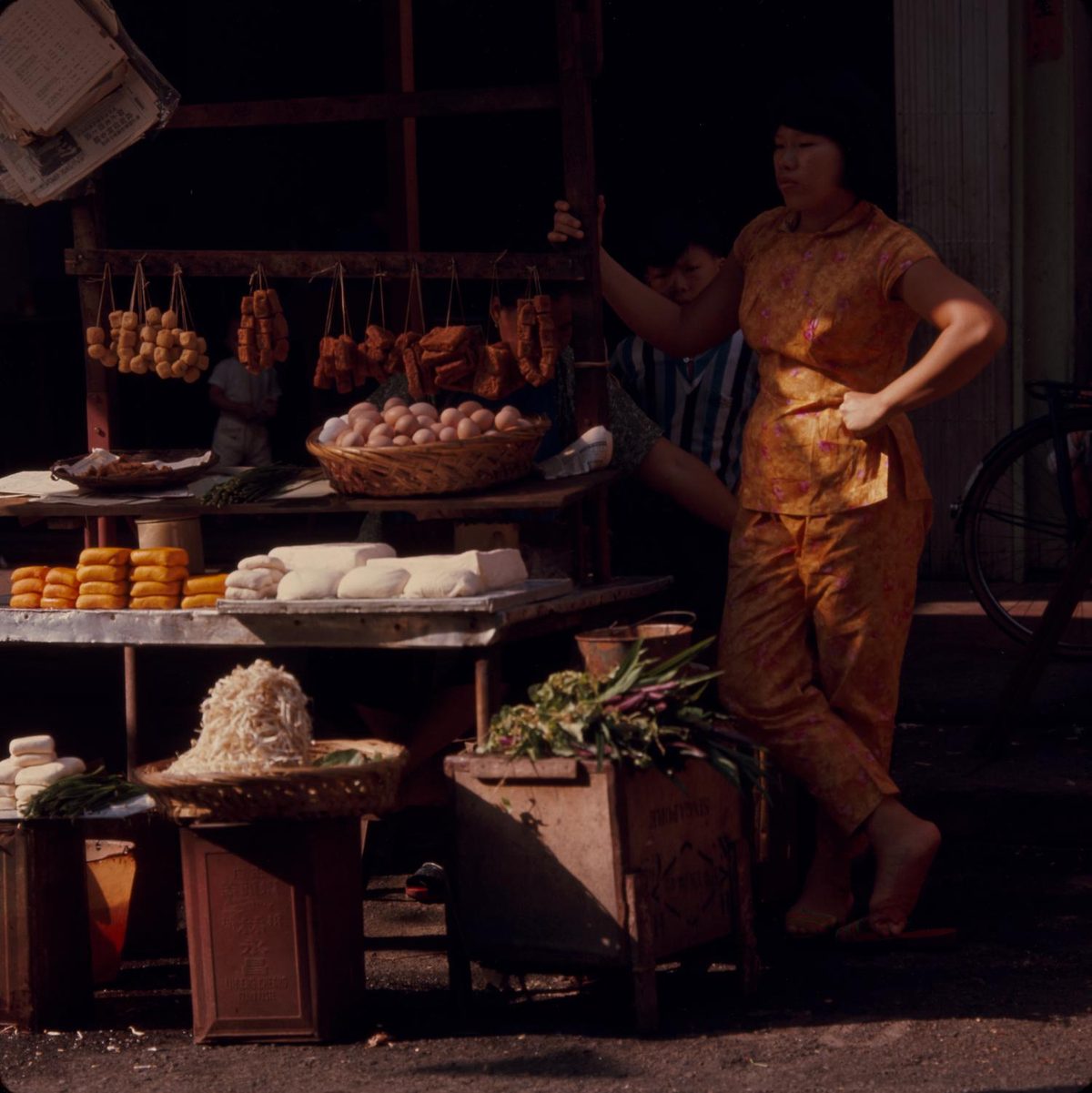
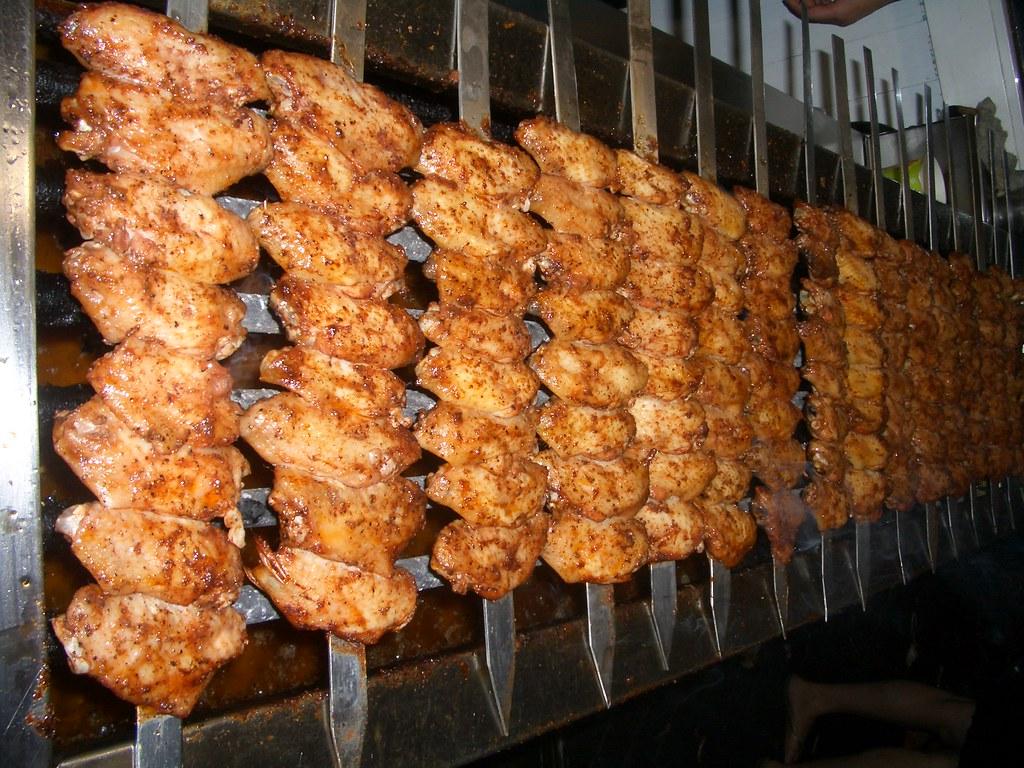
What that $30 actually buys in a Moroccan medina is worth spelling out, because the number sounds implausible until you have stood in the queue. Breakfast is bread from a neighbourhood bakery, bought warm from a hatch in the wall and eaten with olive oil and mint tea. Lunch is a bowl of harira or a plate of grilled skewers from a stall with a single charcoal trough and a handwritten price board. Dinner is whatever the market is discounting at dusk. The mechanics matter more than the menu: prices are posted or shouted, portions are fixed, and the transaction takes about ninety seconds. There is no tipping convention at a stall counter and no cover charge, which is precisely where restaurant meals bleed money. The hidden cost of a sit-down meal is rarely the food itself; it is the bread you didn’t order, the water you assumed was free, the service percentage added at the bottom of the bill. A market removes all three, and the saving is repeated three times a day for the length of the trip.
What Accommodation Does to the Total
Accommodation is where percentages shift. On a mid-range safari, lodging takes a predictable share of the total. On a budget safari, accommodation costs make up a slightly lower percentage of costs. On a luxury safari, accommodation costs will often be in excess of 50% of total costs. The pattern holds outside Africa too. In Japan, a budget hotel or hostel runs around $50 to $100 per night. A mid-range hotel runs $100 to $200 per night. Luxury hotels and ryokans can go upwards of $500 per night.
So the hostel is already doing heavy lifting. The market is what keeps the other half of the day cheap. In Georgia, budget travellers manage on $30 to $50 per day. Mid-range travellers spend $50 to $100. Those wanting comfort and organised tours budget $100 to $150. Georgia is excellent value by any European comparison, and the low end of that range is not built on restaurant meals three times a day.
The reason the accommodation figure deserves this much attention is that it sets the ceiling on everything else. Once a bed is paid for, the remaining daily spend is almost entirely food and transport, and transport in most cities is a fixed, small number. Food is the only line that flexes hour by hour. A traveller who has locked in a cheap dorm has already won most of the argument; the market just finishes it. This is also why the market strategy fails in places where the hostel is expensive. In a city where the cheapest bed is $60, saving $8 on lunch is rounding error, and the effort of hunting down the cheap stall stops being worth the time. The strategy works best where lodging is already low and the street food culture is dense enough that competition keeps prices honest.
There is a practical skill to this that no guidebook teaches directly. The reliable stall is almost never the one nearest the main square or the one with photographs of the food on a laminated board. It is the one with a short menu, a high turnover, and a queue that includes people in work clothes at an hour that isn’t quite lunch. Watch where the same faces return on a second morning. If a vendor recognises a repeat customer, the price quoted on day two tends to be the real one, not the tourist one. Learning to read that takes a couple of days in any new city, and it is the single most transferable budget skill there is.
The Eighteen-Month Problem
Small daily overruns compound badly. Over an 18-month trip, an extra $10.80 each day — 10 euros at the rate of 1 EUR to 1.08 USD — adds more than $5,400 to the final budget. That is the case for treating food as a controlled cost rather than an ambient one.
A $1,700 monthly budget looks expensive until you realise most services work as advertised and life is just easier. Markets sit at the other end of that trade. You give up table service and a printed menu. You get a number that does not move.
The trap is not the occasional blowout dinner, which is easy to spot and easy to justify. The trap is the pattern of small, unexamined upgrades: the coffee bought at a café instead of brewed at the hostel, the snack from a convenience store instead of fruit from the market, the taxi taken because the walk felt long. None of these register as spending decisions in the moment. All of them do at the end of eighteen months. Keeping a running total on a phone note, updated at the end of each day rather than reconstructed from memory, is the difference between knowing and guessing. The number is usually worse than the guess, which is exactly why the guess is comfortable.
Numbers to Plan Against
Some costs are fixed and should be planned as such. Balloon safaris in Kenya, often over the Masai Mara, are a great experience if you have the budget and typically cost $550 to $650 per person. That is not a market purchase. It is a deliberate splurge, and it should be weighed against weeks of market eating.
Entrance fees to historical sites and museums start in the same range as a modest daily food spend. In Morocco, $30 per day covers hostels and street food together. In the U.S., $121 per day is the budget floor. The gap between those two numbers is mostly food and lodging, and markets attack both ends of it.
The useful discipline is to sort every planned expense into one of two columns before the trip starts: the things that are worth real money, and the things that are simply the cost of being somewhere. Museum tickets, balloon rides and long-distance transport belong in the first column and should be budgeted honestly, because skimping on them defeats the purpose of travelling. Everything in the second column — the daily bread, the water, the mid-afternoon snack — should be pushed as low as the local market allows, without ceremony. Mixing the two columns is what produces the vague anxiety of a trip that feels expensive without any single obvious culprit.
For anything that sells out on weekends, an early booking is the fix.
Where This Fits
Vietnam rewards a transport-efficient, experience-rich approach: ten days on a budget with costs, priorities and tips all mapped out. Japan rewards knowing that $50 to $100 per night for a hostel leaves less room for restaurant meals than most people assume. The Balkans has its own budget guide for 2026. Mexico has three realistic weekly budget scenarios worth comparing before you commit.
None of this is complicated. Pick the destination where $30 to $50 per day is realistic. Eat where the prices are posted and the locals are queuing. Keep a running total, because $10.80 per day over 18 months is $5,400, and that is a second trip.
The last thing worth saying is that the market habit is not really about deprivation. It tends to produce better meals than the alternative — food cooked to order in front of you, at a price the cook has to defend to neighbours, is usually fresher than anything sitting under a heat lamp in a hotel dining room. The savings and the quality point the same direction often enough that the discipline stops feeling like one. What goes wrong is mostly logistical rather than financial: markets close earlier than travellers expect, the best stalls sell out by early afternoon and shut rather than restock, and a public holiday can empty a hall that was heaving the day before. Checking the opening hours the day before, rather than assuming, is the small piece of planning that keeps the whole strategy working.
Leave a Reply