Some links on this page are affiliate links. If you book or buy through them, we may earn a small commission at no extra cost to you. It never changes what we recommend — every price here is one we would pay ourselves.
The people who hold the $21 line are almost never the ones who found a cheap restaurant. Two adults, two kids, working on €100 a day for food, souvenirs, activities and shopping — roughly $108 at 1 EUR = 1.08 USD.
What the Numbers Say
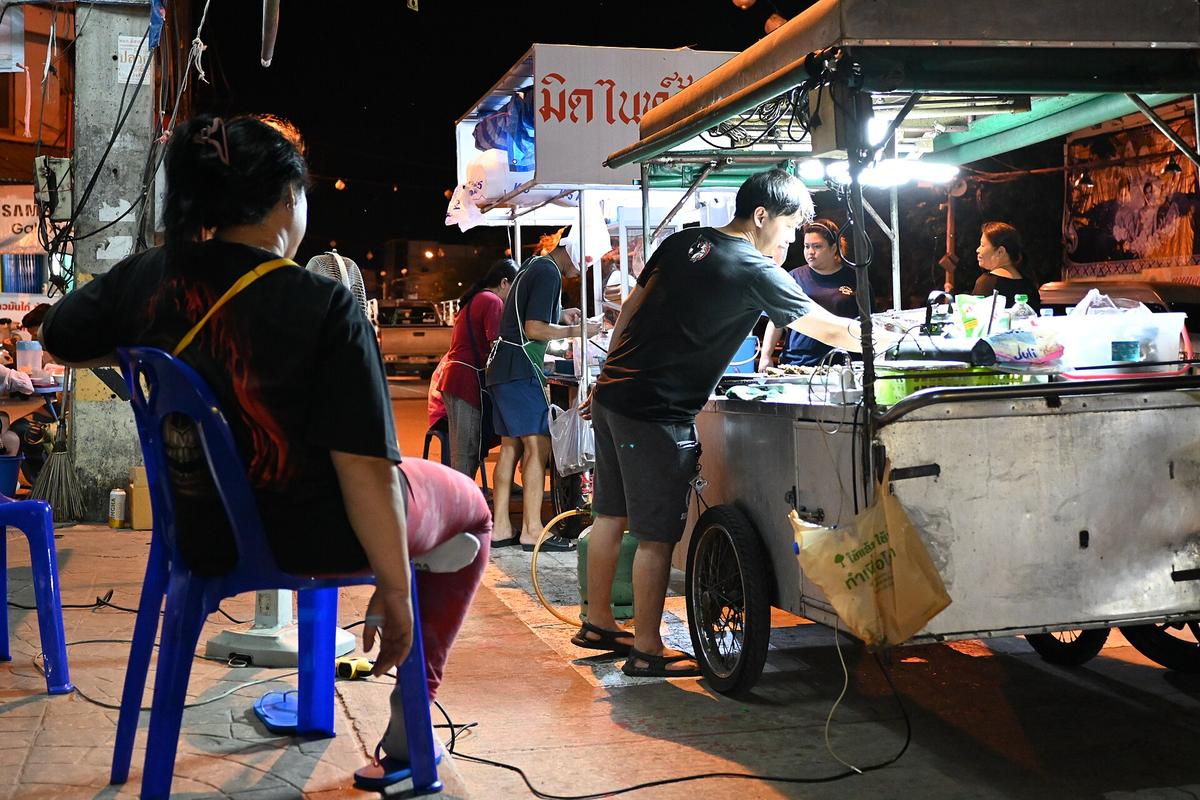
Food and drinks are the biggest daily expense item on a backpacking trip. That figure comes in at 29% of the daily budget, or about $21 a day. Not rent. Not transport. Food. Twenty-one dollars is the line item that quietly decides whether a trip runs four weeks or six, and it is the one most people never actually plan for.
What makes that number slippery is that it does not arrive as a single bill. It arrives in small, forgettable increments — a coffee here, a pastry there, a bottle of water at a train station where the vending machine is the only option. None of those purchases feel like a decision. By the end of a week they have quietly eaten a day’s worth of budget, and the traveler has nothing to show for it but a vague sense of having been careful. The people who hold the $21 line are almost never the ones who found a cheap restaurant. They are the ones who bought bread, cheese and fruit at a market in the morning and carried it with them all day, so that hunger never had a chance to make the decision for them.
Restaurants are where that number breaks. Cook for yourself and it holds. Eat three meals a day at sit-down places and it does not.
The Self-Catering Math
Take a family of four. Two adults, two kids, working on €100 a day for food, souvenirs, activities and shopping — roughly $108 at 1 EUR = 1.08 USD. That covers everything, not just meals. The people who run that budget say they hardly shop at all, eat out expensively a few times, and self-cater the rest. That is the shape of it: a few blowout dinners, everything else cooked in a hostel kitchen or assembled from a supermarket.
The trade is real. You give up the restaurant experience for most meals and you get the money back. That €100 a day becomes the ceiling rather than the floor, and the expensive dinners stop being exceptions to a bad habit and start being the point.
The mechanics of self-catering are less romantic than the arithmetic. Hostel kitchens are shared, and the good ones — the ones with a working stove, a sharp knife and a fridge that is not full of other people’s leftovers — get crowded at exactly the hour everyone wants to use them. The reliable move is to cook early, around five or six, before the dinner rush arrives and while there is still counter space. Shopping is a daily errand rather than a weekly one, because a backpack has no pantry and a hostel fridge has no loyalty. Buying for two days instead of one is usually the right call, since it spreads the cost of a market trip and means a late arrival does not force an emergency restaurant meal.
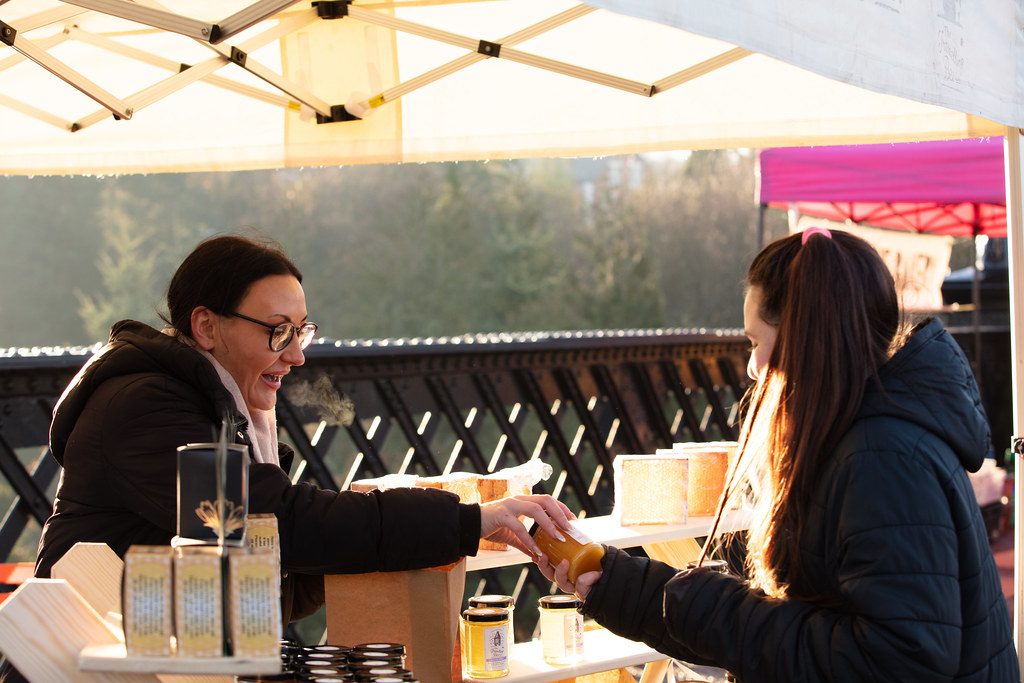
What typically goes wrong is portioning. A supermarket sells family-sized packages because that is what households buy, and a solo traveler ends up either overeating or throwing food away, which is the same as paying restaurant prices for half a meal. The fix is to shop where locals shop — markets, bakeries, small groceries — where things are sold loose and by weight. A bakery will sell two rolls. A market stall will sell a single tomato. That is how the €100 day actually survives contact with a real trip.
Fast Food and the Long Haul
Fast food chains are cheaper. That is simply true. You can eat at them for four weeks if you want to. Whether you want to is a separate question, and the budget works either way, but nobody comes home from a month of chain burgers feeling good about it.
The alternative on long-distance travel is that meals come included. For 24 hours of bus travel — nothing, given some of the distances involved — you pay €40 to €60, which is $43 to $65. Air conditioning, reclining seats, drinks and snacks are all in the fare. Twenty-four hours of transport and food for under $65 is a hard number to beat any other way. You are not cooking. You are not finding a restaurant at a roadside stop. You are sitting down and someone brings you a snack.
Worth knowing before booking one of these: the meal service is usually a tray handed over once or twice, not a rolling buffet, and the roadside stops where the bus does pause tend to be at a single overpriced cafeteria with a captive audience and a twenty-minute window. Travelers who bring their own fruit, nuts and a refillable bottle eat better and spend nothing extra. The seat assignment also matters more than it sounds — the front rows are quieter and cooler, and on a full overnight bus the difference between a window and an aisle seat is the difference between sleeping and not. Booking a day or two ahead usually secures a better seat for the same fare.
Packs, Tickets and the Rest of the Budget
The bag matters more than people admit. A 40-litre model fits as carry-on on most low-cost flights, which is the difference between paying for a checked bag four times and paying for it zero times. One of the better value options on the market runs €69.99, or about $76. There is also a 28-litre women’s model that is waterproof and extremely robust, suitable for any weather. Reviewers found it a bit stiff, practically roomy, and quite light for its size.
Tickets are the other place money disappears. Following the usual tips saves somewhere between R$ 1,500 and R$ 3,000 on a ticket — that is roughly $270 to $540, converted from reals. That is a better hotel, a few tours, or the nice dinner in Berlin you were going to skip. A São Paulo to Berlin round trip has come in around R$ 4,400, about $790. Prices move, and there are tools that estimate whether a fare will rise or fall, but the gap between a good ticket and a bad one is the gap between a tight trip and a comfortable one.
On the headline sights, booking ahead is usually the difference between a queue and a walk-in.
The carry-on rule is enforced more strictly than most first-timers expect. Low-cost carriers weigh and measure bags at the gate, not just at check-in, and a bag that passes on the way out can fail on the way home once a few souvenirs have been added. Wearing the heaviest layer onto the plane and keeping the pack at the stated dimensions is the standard workaround. On the ticket side, the savings rarely come from a single clever trick. They come from booking on the days airlines actually release cheap seats, from being flexible about the exact date by a day or two, and from clearing cookies between searches. It is dull work that takes an evening, and it is worth several hundred dollars, which is more than most people earn in an evening.
$90 a Day, All In
Ninety dollars for accommodation and food. Yes, it can work, if hostels are on the table. Camping and cooking for yourself also works. Where you are matters as much as what you spend: in California you will be fairly lost without a car, while New York is easy to visit without one. That single fact changes your transport line and your food line at the same time, because a car means gas and a kitchen you control, and no car means walking past restaurants you cannot cook in.
Twenty-nine percent of the daily budget goes to food. About $21 a day. That is the number to hold onto. Everything else — the hostels, the buses with included snacks, the $76 carry-on pack, the $270 to $540 saved on the flight — exists to protect it.
Leave a Reply