Trekking in the Solukhumbu region runs about $20 per person in regional fees. The national park entry permit is roughly $30, VAT included.
Shoulder Season by the Numbers
A dorm bed in Mexico can cost $10. The same country has resorts at $500 and up. That gap is the whole argument for picking your month as carefully as your country.
Shoulder season gets thrown around as if it means the same thing everywhere. It doesn’t. In some regions it means rain, in others it means cold mornings and empty trails, and in a few it means the exact two weeks when everyone with a school calendar has gone home. What follows is what the numbers actually say, region by region.
The term itself is slippery because it is defined against whatever the local high season happens to be. In the Mediterranean, shoulder usually means April to early June and September to October, when the sea is swimmable but the beach clubs are half-shuttered. In the Himalayas, it means the weeks bracketing the monsoon, when the trails are quiet but the weather is making up its mind. In Southeast Asia, it is the stretch on either side of the December crush. The practical upshot is the same everywhere: the infrastructure is open, the crowds are thinner, and the prices sit somewhere between the two extremes. What changes is how much risk the weather adds, and that risk is what separates a good shoulder trip from a miserable one.
Nepal: Permits and Teahouses
Trekking in the Solukhumbu region runs about $20 per person in regional fees. The national park entry permit is roughly $30, VAT included. Those are fixed costs and they don’t move with the season.
Accommodation does. A simple teahouse runs around $5 per night. A nicer lodge can reach $30. Rates shift between regions, and the popular Annapurna trails come in cheaper than the busier, higher-profile routes.
Getting to the trailhead is the variable that breaks budgets. Transport to and within Nepal’s trekking regions costs anywhere from $15 to $500 per journey, depending on the mode and the destination. International flights into Kathmandu from London, New York, Sydney or Delhi sit outside per-day trekking budgets entirely, and they are usually the single largest transport line on the whole trip. Shoulder months here mean fewer people on the trail, not cheaper permits.
The permit process itself is worth knowing before arrival. In Kathmandu, the Nepal Tourism Board office issues trekking permits and the national park counter sits nearby; both close on Saturdays and public holidays, and the queues build through the morning, so arriving early saves an afternoon. Bring passport photos and cash, since card machines fail more often than anyone admits. On the trail, the teahouse system works on an informal agreement: rooms are cheap because the kitchen makes the money. Dal bhat, noodle soup and tea are where the lodging owner recovers the difference, so a trekker who eats elsewhere will sometimes find the room rate quietly raised the next night. Meals typically add a few dollars per sitting and climb with altitude, since everything above the road head arrives on someone’s back or a mule. Two shoulder windows bracket the monsoon, one in spring and one in autumn, and the autumn one is the busier of the two because the skies tend to be clearer. Locals in the Khumbu often time their own family visits and lodge repairs to the quiet monsoon weeks, when the trail empties and the villages return to something closer to normal life.
Southeast Asia and the Cheap End
Southeast Asia remains the cheapest region for budget travelers. That’s not a slogan, it’s a ranking that holds across 200-plus cities and thousands of itineraries. Laos is the extreme case: under $20 per day is realistic, which likely makes it one of the most affordable countries on earth.
Thailand needs a bit more arithmetic. Take a $80 daily budget across seven days. That’s $560 base, leaving roughly $440 of headroom. That headroom covers a nicer hotel in Bangkok, a Phi Phi day trip at ฿1,400–2,500, or an introductory diving day at ฿3,500–4,500.
Where $1,000 gets tight is peak season, mid-December through January, in Phuket or Koh Samui. Room rates there jump 30 to 50 percent. Move the same trip two weeks either side and the math relaxes.
Indonesia has its own calendar. April to October is the window, with temperatures averaging 24–30°C and mostly dry weather. July to September is peak holiday season and the highest rates. December to February is the rainy season.
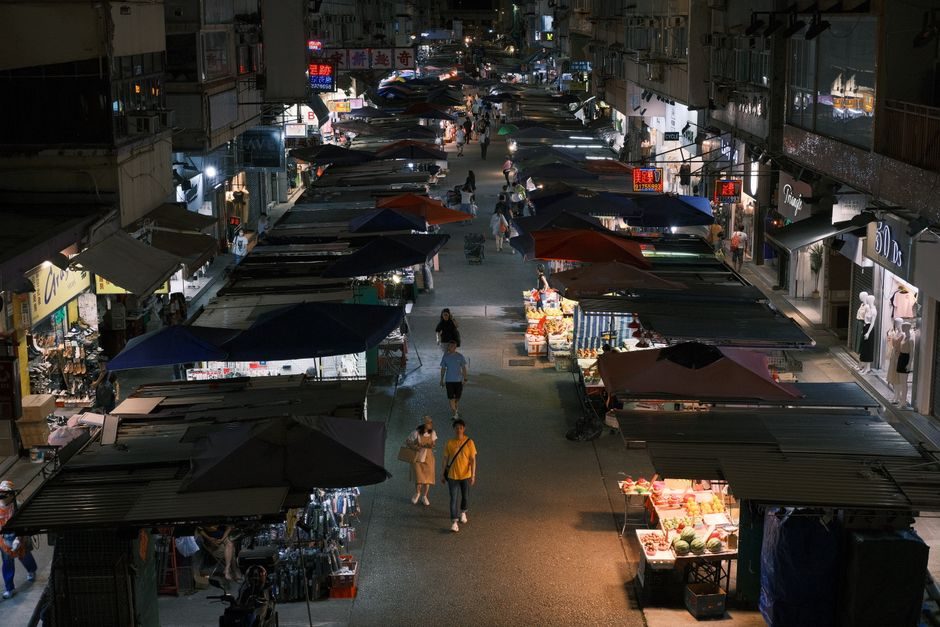
What the daily numbers hide is how much of a Thai day is spent in transit between price tiers. A city bus or a songthaew costs loose change, while a Grab across Bangkok at rush hour can quietly eat a meal’s worth of budget. The same logic applies to islands: ferries and minivans between the gulf and Andaman coasts are cheap individually but add up fast if a trip hops between them. In Laos, the money-saving move locals make is eating at morning markets and roadside stalls rather than the guesthouse restaurant, where a bowl of noodles costs several times the street price for the same dish. Vientiane and Luang Prabang both have night markets where a full plate of grilled food and sticky rice is a few dollars, and the portions are generous. The rainy-season trade-off in this region is real: rooms are cheapest and the landscape is at its greenest, but boat schedules and island crossings can be cancelled with little notice, and a day lost to weather is a day of budget spent going nowhere.
Europe, Priced Honestly
Europe is expensive. It is also avoidable at full price. The trick is destination selection, and the Balkans are the reason that sentence is now true: Albania and Kosovo rival Thailand on daily costs.
Luxembourg is the other end. A week in mid-January at the Luxembourg City youth hostel runs €245, which converts to about $265, breakfast included. That’s January, roughly as far outside tourist season as the calendar allows.
Mexico splits along the same lines. Dorms start at $10. The biggest price factor is location: Cancún, Tulum, Los Cabos and Puerto Vallarta run two to three times inland city rates. High season, December through April, pushes prices 30 to 60 percent above low-season rates.
The Balkans reward a bit of overland patience. Buses between Tirana, Pristina, Skopje and Sarajevo are frequent and inexpensive, and the border crossings are usually quick, though the mountain routes can slow to a crawl in winter snow. Hostels in the region’s capitals typically include a kitchen, which matters more than the nightly rate once a trip stretches past a week, since cooking two meals a day changes the arithmetic entirely. Further west, the shoulder calculus shifts toward weather risk: a cheap April week in northern Europe can mean grey drizzle and shortened daylight, while the same money in late September often buys clear skies and warm afternoons. In Mexico, the practical split is between the resort corridor and everywhere else. Inland cities and the southern highlands stay affordable year-round, and the low season there coincides with afternoon downpours that pass quickly and leave the evenings cool and pleasant. Locals in the resort towns often take their own holidays in the low season, which is a decent signal about when the place is actually enjoyable rather than merely busy.
The Only Average That Matters
Track your overall daily expenditure, somewhere between $25 and $50 a day. Extra days in cheap regions balance out splurge days in capitals. That’s the mechanism. A week in Laos at under $20 a day buys you a night in a Bangkok hotel that would otherwise blow the budget.
For safaris, the structure is different. A 7–10 day budget safari in Kenya or Tanzania, travelled during shoulder season and booked as a group departure, is the version that fits a backpacker’s numbers. Independent of that, the regional spread holds: Southeast Asia cheapest, Balkans closing fast, Europe workable if you choose carefully, and peak season the one thing that reliably ruins the arithmetic everywhere.
The reason a daily average beats a fixed per-country budget is that it absorbs the surprises that always arrive: a missed connection that forces a paid night, a visa fee nobody mentioned, a hostel that has quietly raised rates for a local festival. Keeping a running tally, even roughly, in a notes app makes those hits visible before they compound. The travelers who come home on budget are rarely the ones who found the cheapest bed every night; they are the ones who noticed early that a region was costing more than expected and moved on sooner. Shoulder season is simply the cheapest lever available for doing that, and it costs nothing but a willingness to travel when the weather is slightly less certain.
Leave a Reply