
Most nationalities enter on a 90-day e-visa, single entry, and the fee is $25. Third-party agencies charge unnecessary fees on top of the standard rate, which means the same $25 visa can cost considerably more if you land on the wrong page.
The Number on the Screen
Somewhere between the flight price and the first night’s hostel, there is a second bill. It arrives quietly. You pay it before you leave, often weeks before, and it rarely shows up in the budget spreadsheet people build when they are daydreaming about a trip.
The figures are small individually. They add up. What makes them slippery is that they arrive in a different currency, a different system and a different mood than everything else you book. Flights get comparison-shopped for weeks. The visa fee gets paid once, in a hurry, on a government website that looks like it was last redesigned when fax machines were still a plan. Then it vanishes from the mental ledger entirely.
There is also an order-of-operations problem that catches people out. Visas usually need a passport with at least six months of validity remaining, and some airlines will not let you board without proof of onward travel or a return ticket. So the visa payment is not a standalone errand — it sits at the front of a chain that includes renewing the passport, booking a refundable flight, and possibly buying travel insurance that satisfies the visa officer. Miss the first link and the whole chain has to be re-run, sometimes at express-processing prices.
Twenty-Five Dollars, Then the Rest
Vietnam is the clean example. Most nationalities enter on a 90-day e-visa, single entry, and the fee is $25. That is the whole cost if you apply in the right place. Apply through the official government portal and nothing else is added. Third-party agencies charge unnecessary fees on top of the standard rate, which means the same $25 visa can cost considerably more if you land on the wrong page. British, French, German, Italian and Spanish passport holders have it easier still — visa-free for 45 days as of 2024. Check your nationality before you register for anything.
The tell is in the URL. Official portals end in a government domain — the Vietnamese one sits under the immigration department’s own address — while the lookalikes buy ads and dress themselves in the same red-and-yellow colour scheme. They also tend to ask for a passport scan before they ask for anything else, and the confirmation email arrives with a service fee buried at the bottom of the receipt. Processing on the real portal takes about three working days, and the visa comes back as a PDF with your photo printed on it. Print two copies. Border staff sometimes want the paper version even when the system already knows about you.
Germany, Austria and Switzerland have a different arrangement for one particular destination. Those nationals can apply for an eVisa online at roughly $130, converted from €120. Processing is often within minutes. The visa is valid one year, multiple entry, up to 90 days per stay. That is a lot of travel for the price of a decent dinner, and it is the kind of number worth knowing before you assume a visa is a headache.
Portugal runs on nationality and visa type. Citizens of visa-exempt countries such as the US, the UK and Germany pay nothing to enter. For travellers from non-exempt countries, the standard visa application fee runs from $50 to $200. That range is wide because the categories are wide. There is no single answer.
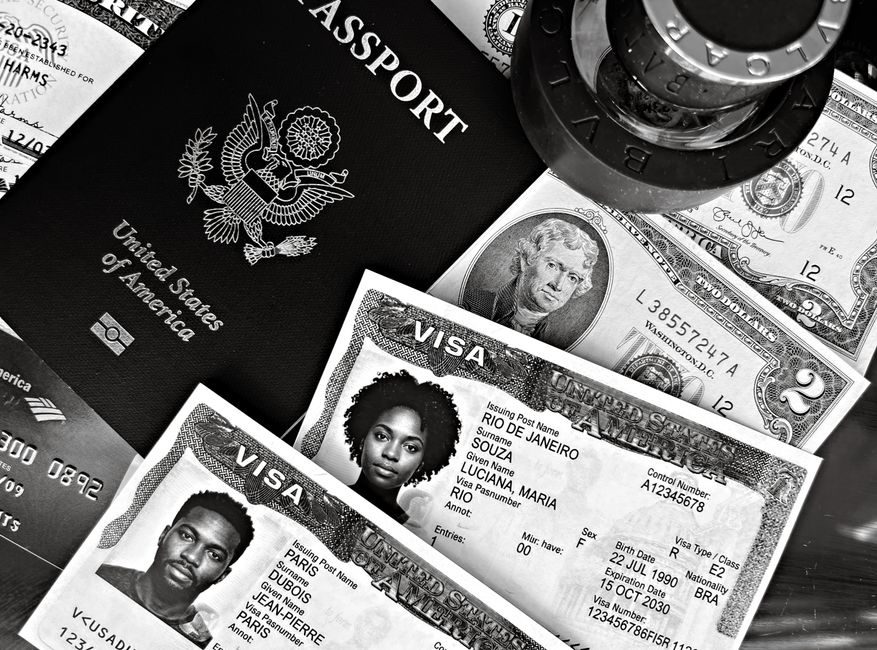
The Portuguese process, for those who need it, runs through a consulate rather than a pure online form in most cases, which means an appointment slot, a stack of bank statements, proof of accommodation for the whole stay, and a wait measured in weeks rather than minutes. Appointment calendars at busy consulates fill up a month or more ahead in summer. The fee is the smallest part of the exercise; the time is the real cost.
The United States is its own line item. The I-901 SEVIS fee is separate from the visa itself, and the payment confirmation has to be saved for your records and for the visa interview. You access that confirmation on the same SEVP portal after you pay. Print it. Keep the PDF. This is not a step anyone can skip or reconstruct later.
Students routinely discover this the hard way. The SEVIS payment is made on one site, the visa interview is booked on another, and the two systems do not talk to each other in any way that helps. The confirmation page is the only bridge. Screenshot it, email it to yourself, and put a copy in the folder you carry to the interview. If the payment has not cleared into the system by the time of the appointment, the interview does not happen, and the next available slot may be weeks away.
When the Application Is Not a Visa
Not every pre-trip payment is a visa. US citizens will soon need ETIAS authorization to enter the Schengen Area. It is expected to start in late 2026, with full enforcement likely in 2027. It requires a small fee and an online application. If you are planning a long Europe trip in 2027, that line has to be in the budget.
Albania offers a reminder that the visa is not always the expense worth watching. A three-course meal at one of the city’s top restaurants came to 7,860 LEK. That is about $85, converted at current rates. Nobody applies for permission to eat. But the meal dwarfs the visa, and the visa is the thing people agonise over.
The pattern repeats in the other direction too. A country with a free or cheap entry permit often has the higher day-to-day costs, and a country with an expensive visa sometimes turns out to be the cheap place once you are inside it. Judging a destination by its application fee is like judging a restaurant by its reservation policy.

The Gap Between Prices
Phuket and Koh Samui have a lesson in them. Walk-in rates run 20 to 40 percent higher than online prices. Book two weeks ahead or more. The same principle holds everywhere: the price you see depends on when and where you look, not on the product itself.
Accommodation follows the same pattern. Cheap but reasonably comfortable private rooms are listed worldwide on internet portals. The word cheap is doing a lot of work there. It means different numbers in Lisbon, Hanoi and Canggu.
What the portals do not show is the walk-in reality of a guesthouse at nine in the evening, when the person at the desk knows there is nothing else open and quotes accordingly. That is the gap the 20 to 40 percent is measuring. Booking ahead is not about getting a bargain; it is about removing the other party’s leverage. Two weeks is the rough threshold where listings still have real availability and the prices have not started climbing toward the walk-up rate.
There is also the quiet matter of app purchases. A discount code offering $3 off a first purchase is not a visa fee, but it is the same mental category — the small digital transaction that happens before the trip and disappears from memory by the time you land.
What to Do With These Numbers
Visa fees range from nothing to $200 depending on where you are from and where you are going. The Vietnam e-visa is $25. The Germany, Austria and Switzerland eVisa is about $130. Portugal is $0 to $200. The US adds a separate SEVIS fee with its own confirmation you must save. ETIAS is coming in late 2026 and 2027.
The practical move is boring. Find the official government portal. Pay the standard rate. Save the confirmation. Book accommodation two weeks out at minimum. Budget for the meal you actually want, and remember that a $25 visa is cheaper than a $85 dinner, and both were worth it.
One last habit worth building: keep a single folder, digital and physical, for everything the border might ask about. Passport scans, visa PDFs, the SEVIS confirmation, the return flight, the first night’s address. Officials ask for the one document you did not think to bring, and having it already printed turns a tense twenty minutes at a counter into a wave-through.
Leave a Reply