The Real Cost of Getting It Wrong
Solo travel is risky. Most people who do it won’t say that out loud, but the mechanics are plain enough. You land somewhere you know nobody. You don’t speak the language. You have to learn new navigation and unfamiliar customs at the same time, often while tired and carrying everything you own. Safety tips reduce risk. They don’t remove it. Anyone selling you a version of solo travel with zero risk is selling you something else.
That’s the frame for everything below. Not fear. Just prices, and the places where those prices tell you something.
Taxis, Sitios and the $8 Ride
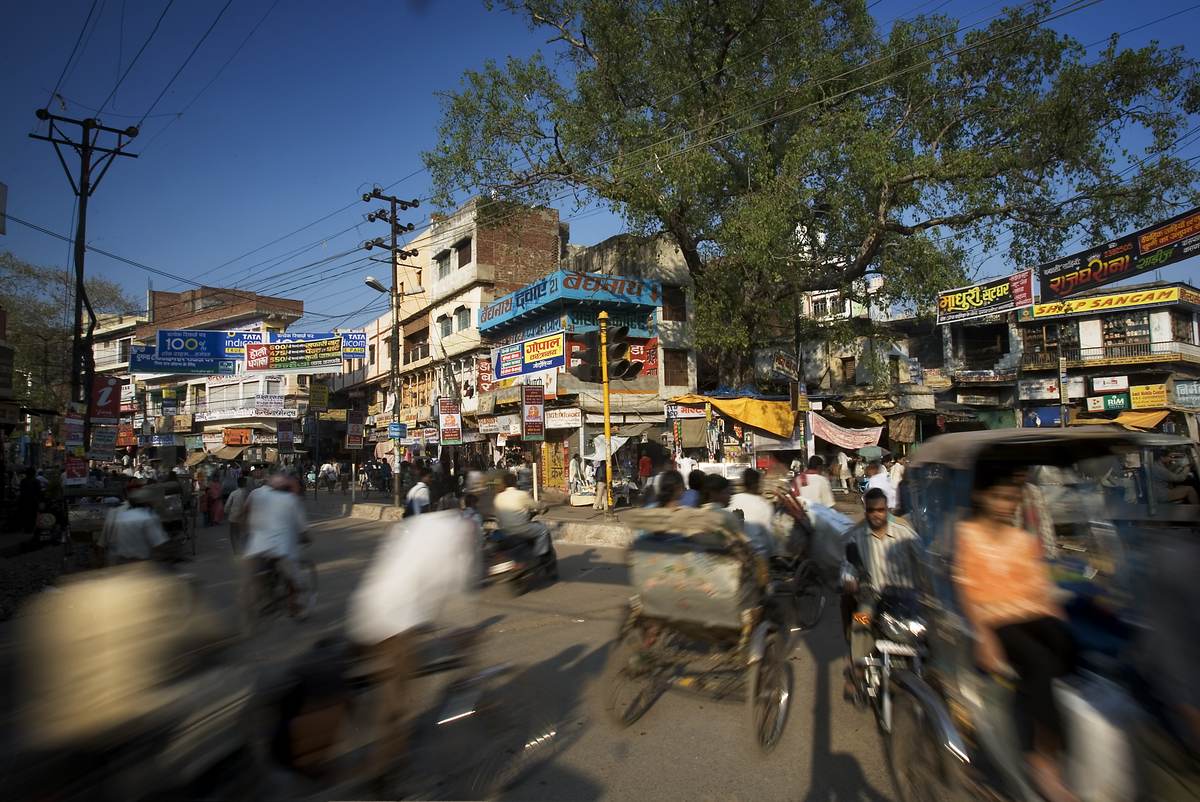
Ground transport is where the money leaks first, and where the safety questions start. In Mexico City, the rule is simple: official “sitio” stand taxis, or a rideshare. Not the guy who waves at you outside arrivals. The cost difference is smaller than people assume. A 45-minute rideshare in Mexico City has come in at $8. That’s a real number from a real trip, and it’s the kind of figure that makes the unofficial taxi hustle look pointless.
Resort areas flip the math entirely. A taxi from Cancún airport to the hotel zone runs $30–50. Same country. Different economy. In one place you’re paying pocket change for a long ride, in the other you’re paying four to six times that for a shorter one. Knowing which zone you’re in before you land is worth more than any packing tip.
Eating Cheap Without Rolling the Dice
Street food is the best-value category in Mexico, and it isn’t a compromise. Tacos, tamales, tortas, tlayudas, elotes. A filling meal of four or five tacos costs $3–5. That’s a full meal for less than a coffee in most Western European cities.
The safety logic here is visual, not verbal. Busy stalls with high turnover are both safe and good. A stall with a queue is moving product fast, which means it was cooked recently and will be cooked again soon. A quiet stall with food sitting under a lamp is a different proposition. You don’t need to speak the language to read a queue.
What Insurance Actually Costs
Travel medical coverage starts as low as $1 per day. That is the entire argument. For a dollar a day you’re covered against the kind of medical bill that ends a trip and follows you home. Some travellers file it under unnecessary expense. Those travellers are making a bet, and the payout on that bet is small while the loss is not.
Budget the same way for the rest of the trip. The old “under $60/day” backpacker rule for Western Europe is no longer a safe planning number for 2026. Build a total that includes one-time costs — return flights, visa or ETIAS fees, insurance — and then add a 10–20% contingency on top. Underbudgeting doesn’t produce a cheaper trip. It produces forced compromises, or debt.
Where the Money Goes Further
Value is subjective, but if you score it as nomad score per dollar, Baguio comes out on top. It delivers a nomad score of 7/10 at $648/month, with fast internet, solid safety and an established nomad community, at a fraction of what comparable European cities cost. That’s the whole pitch in one line.
Portugal belongs in a different conversation, and a more reassuring one. It has ranked in the global top 10 for safety consistently since 2014. That’s over a decade of the same result, which points to genuinely lower crime rates rather than a good year. Safety rankings are not a guarantee for any individual, but a twelve-year run is a pattern, not a fluke.
The Things That Don’t Scale
Some safety spending is rational and some isn’t, and the difference is usually a few zeros. Angelina Jolie reportedly surprised Brad Pitt with a helicopter and flying lessons, a gift reported near $1.6 million. Lady Gaga reportedly spent over $50,000 on ghost-hunting gear to bring on tour, described as a way to feel safe in any area she was in.
Those numbers don’t map onto a backpacker’s budget and they aren’t meant to. The useful takeaway is narrower. Most of what keeps you safe on the road is cheap or free: taking the official taxi, eating where the queue is, carrying insurance that costs a dollar a day, and leaving a contingency in the total. The expensive versions of safety are for people with different problems.
One more thing worth planning around. Your phone is your connection and your map, right up until it isn’t. There will be stretches in transit, or outside your home country, where you have no signal at all. Apps that work without an internet connection are worth having loaded before you leave, because the moment you need them is the moment you can’t download them.
Leave a Reply