A $1,200 camera and a $900 laptop in the same bag is already over the per-item cap on many mid-tier policies. Home contents insurance sometimes covers baggage abroad, but the deductible is often $250 to $500, which means a stolen $300 bag of clothes nets you almost nothing.
Luggage Theft Prevention on a Shoestring
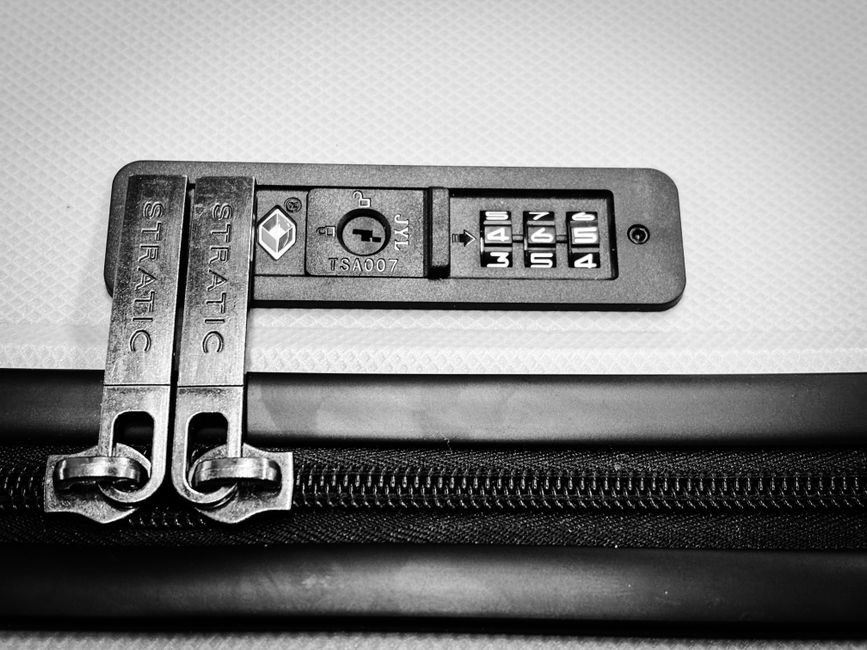
The bus from Guatemala City to Antigua takes about an hour. A hard-shell suitcase in the overhead rack, locked with a $12 combination padlock from a hardware store, is gone by the time the bus pulls into the terminal. The lock is still there. The zipper is not. The thief ran a pen through the teeth, peeled the case open like a tin of sardines, took a laptop worth $400, and zipped it back shut. That is the whole trick. The lock did nothing.
Roughly 400,000 bags are reported mishandled every year across US airports alone, and theft is only one slice of that number. The rest is loss, delay, and misrouting. The distinction matters when you are deciding what to do about it, because the fixes are different.

The Cheap Locks Are Theater
A $12 combination lock on a zippered bag is a visual deterrent and almost nothing else. Zippers are the weak point on virtually every soft-sided bag, and a ballpoint pen opens them in under five seconds. The pen pushes between the teeth, the slider separates, and the bag opens without cutting anything. You can re-close it afterward so the theft is not obvious until you reach the hostel.
Hard-shell cases have their own problem. They crack at the hinge line under force, and once cracked they never seal properly again. A $200 polycarbonate case split at the corner is a $200 loss, not a $200 bag.
The realistic options are a lockable bag with a hard-sided frame and recessed zippers, which runs $150 to $300 new, or a soft bag with a Pacsafe-style slash-resistant mesh, which starts around $80 and up. Neither is perfect. Both raise the time a thief needs from five seconds to something closer to a minute, and a minute is usually more than a snatch-and-run is willing to spend.
What Insurance Actually Covers
Travel insurance sounds like the answer until you read the exclusions. Most policies cap single-item coverage at $500, with a total baggage limit of $1,500 to $2,500 per trip. A $1,200 camera and a $900 laptop in the same bag is already over the per-item cap on many mid-tier policies.
The bigger issue is documentation. Claims without a police report are routinely denied. That means if your bag goes missing on a night bus in Peru, you need to file a report at the next town, in Spanish, before you leave the country. Without it, the insurer has nothing to work with.
Home contents insurance sometimes covers baggage abroad, but the deductible is often $250 to $500, which means a stolen $300 bag of clothes nets you almost nothing. Read the deductible before you assume you are covered.
The Cash-and-Card Split
The single most useful habit is not a lock. It is dispersal. Split cash, cards, and documents across at least three places: on your body, in your main bag, and in a separate daypack or money belt you keep on you at all times. If a bag is taken, you lose one-third, not everything.
ATMs in most of Latin America and Southeast Asia dispense local currency at a fee of roughly $3 to $6 per withdrawal, plus whatever your home bank charges, typically 1 to 3 percent. Withdrawing the maximum each time reduces the per-dollar fee. Carrying $200 to $300 in local currency is normal; carrying $1,000 in cash on a bus is not.
A backup debit card kept separately from your primary card is worth the $0 annual fee on most basic accounts. If your main card is stolen, you have a working card the same day instead of waiting for a replacement to be mailed to a hostel.
Buses, Hostels, and the Two-Minute Window
The theft almost always happens in motion or in transition. On overnight buses in Vietnam, Cambodia, and Colombia, the standard method is a reach into the overhead rack while you sleep. On trains in Europe, it is a bag left unattended for the two minutes you walk to the dining car.
Hostel dorms are a different risk. A $25 padlock on a $0 hostel locker is only useful if the locker itself is not flimsy. Many are. The realistic protection is a Pacsafe-style bag that locks to the bed frame, which runs $60 to $120, or simply keeping everything of value on your body while you sleep. Sleeping with a laptop is uncomfortable. Losing a laptop is worse.
Airport baggage handlers are a separate category. The TSA in the US opens bags for inspection and does not always re-secure them properly. A $30 TSA-approved lock lets them open and re-lock without cutting. A $12 non-TSA lock gets cut, and the airline is not liable for the cut lock or anything missing from the bag afterward. The fine print on most airline contracts of carriage excludes liability for valuables in checked bags entirely.
The Numbers That Matter
A checked bag containing a $400 laptop, a $200 phone, a $150 camera, and $100 in cash is $850 of exposure. The airline’s liability limit for international checked baggage under the Montreal Convention is about $1,780 per passenger, but that covers the bag and its contents at depreciated value, not replacement cost, and it requires a claim form filed within 21 days of the incident.
The math is simple. Spending $80 to $150 on a slash-resistant bag, $30 on a TSA lock, and $0 on splitting your valuables across three locations is cheaper than replacing $850 of gear once. Two thefts in a year and you have paid for the bag five times over.
The pen trick still works on most bags. The lock still does nothing. What changes the outcome is where you put your things and how many places you put them.
Leave a Reply