Some links on this page are affiliate links. If you book or buy through them, we may earn a small commission at no extra cost to you. It never changes what we recommend — every price here is one we would pay ourselves.
A mid-range three months somewhere comfortable — hotels, restaurants, some street food, some rides, some activities — landed one traveller at $3,500 to $4,000. A two-night luxury cruise on a private junk runs past $400.
What a Day Costs
Zambia does not have a single daily number. Neither does anywhere else, really, and the figures travellers bring back from other countries show why. Vietnam runs at roughly $10 a day for entertainment if you keep museum visits light, and almost no attraction there costs more than $7. Albania, lived in rather than toured, can come in around $2,000 a month. A mid-range three months somewhere comfortable — hotels, restaurants, some street food, some rides, some activities — landed one traveller at $3,500 to $4,000. That is the spread you are working with. Zambia sits inside it somewhere, and the honest answer is that your number depends on what you actually do, not on which country you are standing in.
When a sight is the reason you came, an advance ticket is worth arranging.
What makes Zambia awkward to average is that the country is enormous and thinly served. Distances between the headline places are long, and the cheap seats on the long-distance buses fill early in the morning, which usually means paying for a night near the station you would rather not have bought. A day spent moving costs more than a day spent sitting still, and in Zambia there are a lot of moving days. The lodges and camps inside the national parks price in a different world from the towns just outside their gates, sometimes a twenty-minute drive apart, and the gap is not small. The practical consequence is that a daily average calculated over a whole trip hides the fact that two or three days of it cost several times what the rest did.
Season bends the number too. In the dry months, from roughly May through October, demand for beds near the parks is at its peak and rates reflect it. In the wet months the same rooms go for noticeably less, the bush is green and thick, and the trade-off is that some tracks turn to mud and some operators simply close. None of that changes what a bottle of water costs, but it changes almost everything else.
The Big Splurges
Every country has one purchase that eats the week’s budget, and it is usually the thing you came for. In Vietnam it is Ha Long Bay. A budget day trip runs about $60. A two-night luxury cruise on a private junk runs past $400. Same water, same limestone, four hundred dollars apart. Zambia has equivalents, and the pattern holds: the transport, the permits, the guided access cost more than the beds and the meals combined. Budget for the splurge first, then let everything else fall in around it.
In Zambia the splurge is usually a walking safari or a few nights inside a park rather than in a gateway town. The price is not really about the tent. It is about the guide, the vehicle, the fuel, the park fees bundled into the rate, and the fact that a camp with eight beds has to cover its own supply run down a road that may or may not be passable. Book through a lodge directly and the quote often already includes the park entry and the guiding; book the same nights piecemeal and the add-ons arrive one at a time. The trick is to ask what is excluded before comparing two prices, because a cheaper-looking rate with fees bolted on afterwards rarely stays cheaper. South Luangwa and the Lower Zambezi are the names most travellers build a trip around, and both reward booking well ahead in high season — not because prices rise dramatically, but because the small camps fill and the remaining rooms are the expensive ones.
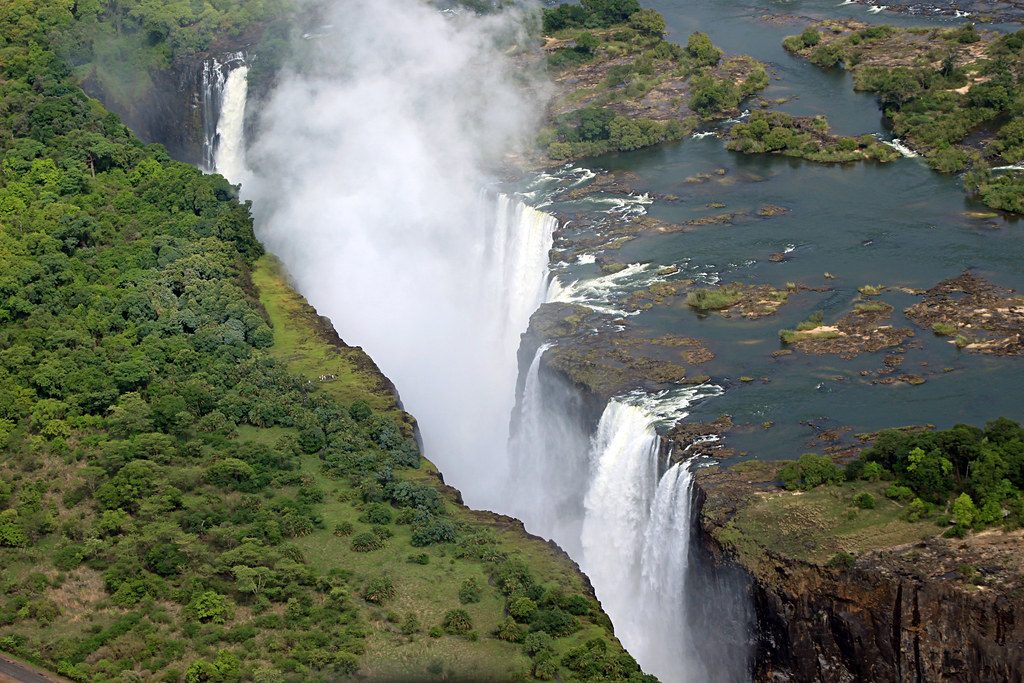
There is a cheaper way to get most of the experience. Staying in a town outside a park and doing day trips in costs a fraction of sleeping inside the boundary, and the wildlife does not check which side of the fence you woke up on. What you give up is the dawn and dusk hours, which are when most of the interesting things happen, and the ability to be out before the day visitors arrive.
Permits and Paperwork
Some costs are not optional and not negotiable. A private tour of Upper Mustang in the Annapurna region requires a Restricted Area permit at $500 per person for ten days, then $50 per person per day after that. Ten days is the assumption built into the price. Stay eleven and you owe another $50. This is the kind of line item that ruins a budget built on daily averages, because it arrives as a lump, not a trickle.
Europe has its own version now. The EU’s ETIAS pre-travel authorisation is expected to be fully operational for US passport holders by 2026, at approximately $22 per traveller for Schengen Zone entry. It is valid three years and covers multiple entries. Twenty-two dollars is not the problem. Forgetting it exists is.
Zambia’s own paperwork is milder but still worth counting. Most Western passports, US included, get a visa on arrival, and the fee depends on whether it is single or multiple entry and whether it is issued at a land border or an airport; the kiosk takes card at the big crossings and sometimes only cash at the small ones, so carrying a little local currency to a remote border post is not paranoia. The visa desk at a quiet land crossing can close mid-afternoon, which turns an evening arrival into an unplanned night in a border town. Keep the receipt — it is checked again on the way out, and losing it is a slow conversation. On top of that, park entry fees are charged per person per day at the gate of every national park, separate from whatever the lodge charges, and they are collected whether you are staying inside or just driving through.
Getting Around Cheaply
Walking is free and it is underrated as a budget strategy. One traveller based centrally in Tirana reached most places on foot and took a bus only twice, out to Bunk’Art 1 and Dajti Ekspres on the city’s edge. The fare was 40 lek. That is the whole transport budget for two outings. The lesson is not that buses are cheap everywhere. It is that a central bed costs more per night and less per day, and the arithmetic usually favours the central bed.
Egypt shows the other side of the same coin. Around Giza there are guesthouses with rooftop views over the pyramids, and they are not expensive. You are paying for the view, not the thread count. That trade — location over luxury — is the single most reliable way to keep a daily average down.
Zambia adds a wrinkle: the central bed is often nowhere near the thing you came to see. Lusaka and Livingstone are the two hubs most itineraries pass through, and both are walkable enough in their cores, with minibuses and shared taxis covering the rest for a few kwacha. The catch is the intercity leg. Long-distance buses and the shared minivans that run the main corridors are the cheap option and the slow one, leaving when full rather than on a timetable, which can mean an hour of waiting or three. The premium buses cost more and leave on time. Neither is luxurious. Booking a seat the day before is normal, and turning up at the depot at dawn hoping for a walk-up seat in high season is how an unplanned night in a bus station happens. Hitchhiking exists and is not unheard of on the quieter roads, but it is slow and unpredictable and not something to build a schedule on.
Doing the Sums
Three weeks of backpacking in Vietnam came out, by one account, worth every dollar spent on excursions, shopping and food. Another traveller, on a longer trip, averaged £124.85 a day, which is about $135, and came in just under budget. That is a mid-range figure, not a backpacker figure, and it is worth being honest about which one you are. A bare-bones traveller and a comfortable one can be in the same country on the same week and spend four times differently.
Zambia’s daily estimates shift with season, exchange rate and style. The numbers above are not Zambia’s numbers. They are the shape of the problem: attractions at $7 or under in one country, a $500 permit in another, a $22 authorisation you buy once every three years, a $60 boat trip against a $400 one. Build the budget from the specific things you intend to do. The daily average is just what is left over when you divide.
One habit worth stealing from people who do this well: keep a running note of the big fixed costs — the park fees, the visa, the one big camp — and treat the rest as genuinely variable. The fixed costs are decided before arrival and cannot be negotiated down at the gate. The variable ones, food and local transport and the odd night in a nicer room, respond to how the trip is actually going. A budget built that way survives the lump that arrives in week two, because it was never spread thin across the daily average in the first place.
Leave a Reply