A hostel in Tara National Park, if you find one open, is $12. The bus from Belgrade to Novi Sad takes 1 hour 20 minutes and costs $7. The train on the same route takes 36 minutes and costs $9.
What the Numbers Say
Belgrade is not an expensive city, and the gap between what you expect to pay and what you actually pay is the first thing that surprises people. A dorm bed in a central hostel runs about $10. A private room for two in the same building is roughly $25. A plate of ćevapi with bread and onions at a neighbourhood kafana is $5 to $7. A beer is $2.50. Coffee is $1.50 and nobody rushes you off the table.
The tram system inside Belgrade is free for everyone. Not free with a pass, not free on weekends. Free. You still need to tap a card if you have one, but there is no fare to pay. This changes the maths of a day. You can stay 4 kilometres from the centre and still move around at no cost.
Prices outside Belgrade drop. A dorm in Novi Sad is $8. A dorm in Niš is $7. A dorm in Subotica is $7. A hostel in Tara National Park, if you find one open, is $12. The further south or east you go, the cheaper it gets, and the more likely you are to be the only foreigner in the room.
Getting In and Getting Around
The bus from Belgrade to Novi Sad takes 1 hour 20 minutes and costs $7. There are roughly 20 departures a day. The train on the same route takes 36 minutes and costs $9. The train is faster, newer and worth the extra $2 if you are going during daylight.
Belgrade to Niš is 240 kilometres by bus, 3 hours 15 minutes, $12. Belgrade to Subotica is 2 hours by train, $8. Belgrade to Tara National Park is 4 hours by bus to Bajina Bašta, $11, then a local bus or taxi up to the park for $6 to $9.
The airport bus into Belgrade costs $2 and takes 30 minutes to Slavija Square. A taxi from the airport is $18 to $22 if you agree the price before getting in. The official taxi rank outside arrivals has fixed rates posted. Use it.
Renting a car in Belgrade is $25 to $35 a day for a small hatchback, plus $10 to $15 a day for insurance if your card does not cover it. Petrol is $1.60 a litre. Roads to the main sites are good. Roads into the national parks are narrow but paved.
Food and What It Costs
Serbia eats well and cheaply. A burek with yoghurt for breakfast is $3. A full lunch at a kafana, soup, main, bread, drink, is $10 to $12. A coffee on Knez Mihailova, the main pedestrian street in Belgrade, is $3. The same coffee two streets back is $1.50.
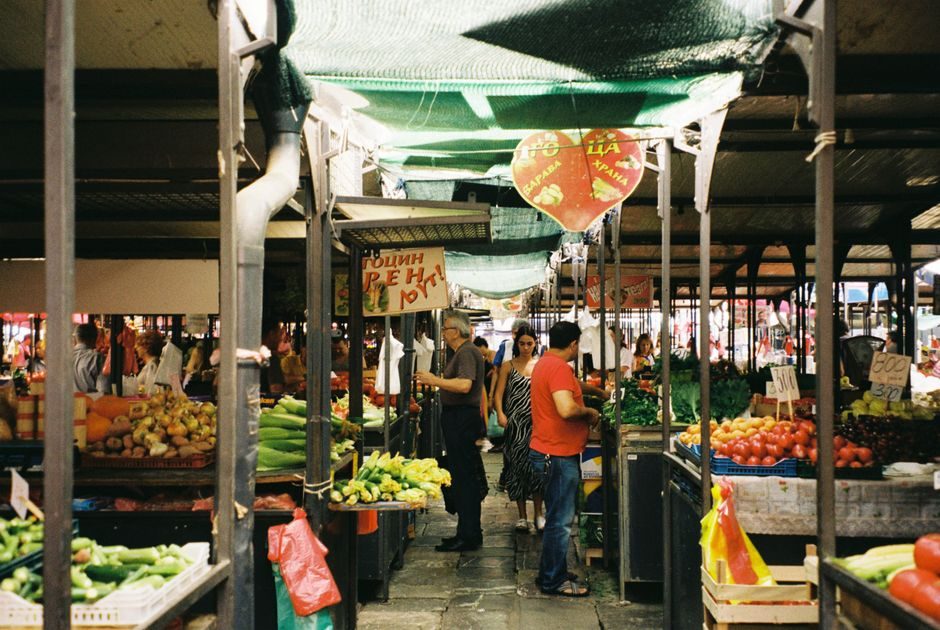
The farmers’ market in Belgrade, Zeleni Venac, is where the prices get interesting. A kilo of tomatoes in August is $1.20. A kilo of peppers is $1.50. A kilo of cherries in June is $2.50. Cheese from the dairy stalls is $6 a kilo. Bread from the bakery counter is $0.80 a loaf.
A beer in a shop is $0.90. A beer in a bar is $2.50. A glass of rakija, the local fruit brandy, is $1.50 in a bar and free if someone offers it to you, which they will. A bottle of wine from a supermarket is $4 to $8. A bottle of wine in a restaurant is $12 to $18.
Eating out in Novi Sad is $1 to $2 cheaper per dish than Belgrade. In Niš it is $2 to $3 cheaper. In small towns along the Danube, a full meal for two with drinks is $18.
Where the Money Goes
The single biggest cost is accommodation in Belgrade in summer. A dorm bed that is $10 in April is $18 in July. A private room that is $25 in March is $45 in August. Book early or go in May or September, when the weather is still good and the prices are still low.
Museum entry is cheap. The Nikola Tesla Museum in Belgrade is $5. The National Museum is $4. The Museum of Yugoslavia is $4. The Petrovaradin Fortress in Novi Sad is free to walk around. The Subotica Synagogue is $3. The Devil’s Town rock formation is $3. Tara National Park has no entry fee for the park itself, only for specific viewpoints, which are $2 each.
A day trip from Belgrade to the Danube gorge at Golubac costs $12 on a group tour or $9 on the public bus. A day trip to the wine region of Fruška Gora from Novi Sad is $15 by local bus and taxi. A boat trip through the Iron Gates is $25 for 2 hours.
The Things That Catch People Out
The dinar is the currency, not the euro. Prices in tourist areas are sometimes quoted in euros, but you pay in dinars. The exchange rate is roughly 108 dinars to the dollar. Change your money at a bank or an official exchange office, not at the airport, where the rate is $0.85 to the dollar instead of $0.93.
Cards are accepted in Belgrade and Novi Sad supermarkets and hotels. Outside those cities, cash is the rule. A small town bakery, a bus ticket bought on the bus, a taxi in a village, all cash. Carry $30 to $50 in dinars on you at all times.
Buses between cities often charge $1 to $2 extra for luggage. It is not a scam. It is a printed fee. Keep small notes.
Tap water is drinkable everywhere in Serbia. A refillable bottle saves $1.50 a day. The water in Belgrade is fine. The water in the national parks is fine. Do not buy bottled water out of habit.
What Four Days Looks Like
Four days in Belgrade, staying in a $10 dorm, eating two kafana meals a day, taking free trams, visiting two museums and drinking three beers a day, comes to about $180 for the four days, not counting the flight. That is $45 a day. Add a day trip to Novi Sad on the $9 train and a night in an $8 dorm there and the total for five days is $230.
A week across Belgrade, Novi Sad and Tara National Park, using buses and trains, staying in dorms, eating out once a day and buying market food for the rest, comes to $310 to $350. That is $44 to $50 a day. The same week in July or August costs $60 to $70 a day because of the accommodation jump.
The number that matters most is the gap between the low season and the high season. A dorm bed at $10 in May and $18 in July is the same bed. The city is the same city. The river is the same river. Go in May or September and the whole trip costs 25 to 30 percent less for no loss of anything except a few degrees of heat.
Leave a Reply