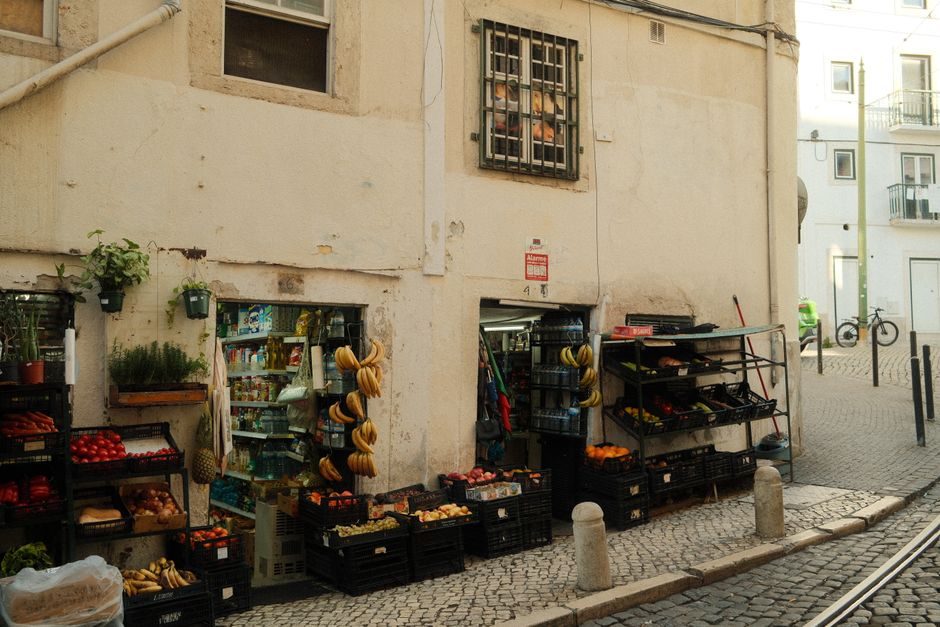
Two omelettes and two cappuccinos, eaten with a Porto tram and the river in view, came to 9 euros — about $9.72. Ask for a glass of tap water if you don’t want to pay 5 euros, roughly $5.40, for a beer.
The $30 to $60 Bracket
Portugal sits in the small group of Western European countries that still work on a shoestring budget. The numbers bear this out: Western Europe and Scandinavia have moved firmly into $80+ per day territory, while Portugal, the Balkans, Eastern Europe and parts of Spain still land at $30 to $60 per day. That gap is the whole story. A three-week trip at $45 a day costs roughly $945 before flights. The same three weeks in a Scandinavian country at $80+ starts above $1,680 and climbs.
For 2026, comparing pure affordability, Portugal comes out ahead. Accommodation, food, transportation and many attractions cost less than the alternatives while still delivering a full trip. That is not a marketing claim. It is what the day rates say.
What a Day Actually Costs
A structured day in Porto, with a Douro River cruise and a port wine tasting included, runs about $210 per day. That figure covers the organised pieces, not a bare-bones backpacker day. Budget hotels along the route include AC Porto and Roma Lisbon. Free time built into that kind of itinerary allows for a visit to Coimbra’s ancient university and optional Fado dinner shows in Lisbon, which sit outside the daily rate.
The cheaper version of the same trip looks different. Two omelettes and two cappuccinos, eaten with a Porto tram and the river in view, came to 9 euros — about $9.72. Ask for a glass of tap water if you don’t want to pay 5 euros, roughly $5.40, for a beer. Those two habits alone separate a $60 day from a $90 one.
Accommodation is where the daily rate is won or lost. A 3- to 4-star hotel in Southern Europe — Portugal, Greece, Croatia — averages $80 to $140 per night. In Western Europe the same standard runs $100 to $180. Sharing a bathroom rather than taking a private one can shave about 10 euros per night off the bill, around $10.80. Over 24 nights that is roughly $260, which is a flight.
Twenty-Four Days, Four Places
A 24-day route across Lisbon, Porto, Madeira and the Algarve, travelling with a spouse and a 10-month-old baby, comes out far more affordable than the same trip in most of Western Europe. The structure matters. Four bases over 24 days means four sets of transport and four accommodation searches, but it also means slower days and fewer paid attractions per week.
Flights are the wild card. A general planning figure for flights is around 500 euros, about $540. Low-cost European carriers have pushed one-way fares as low as 19 euros — roughly $20.52 — to Spain, luggage for two bags included on that fare. Portugal sits on the same route map. The $540 figure is a planning number, not a floor.
Longer trips change the arithmetic. Living in cheap countries — Southeast Asia, Eastern Europe — runs at least 1,000 to 1,500 euros per month, or $1,080 to $1,620. Western Europe or North America runs 2,000 to 3,000 euros per month, or $2,160 to $3,240. On top of either figure sits a reserve of at least three months of expenses. Portugal, priced at $30 to $60 per day, sits at the low end of the Western Europe band rather than the middle of it.
Safety Is a Budget Line
Portugal has ranked in the global top 10 for safety consistently since 2014. That is not a fluke. It reflects genuinely lower crime rates across the board. For a budget traveller this is a financial fact as much as a comfort: fewer replacement phones, fewer replacement bags, fewer emergency taxis at 2am. It also means walking home from a Fado dinner in Lisbon instead of paying for a ride, and staying in a cheaper neighbourhood without pricing in risk.
Travelling with a 10-month-old sharpens this. The safety ranking is one of the reasons a 24-day family route through four Portuguese regions is a reasonable plan rather than an optimistic one.
The Long-Save Math
Portugal is not the place to test an unprepared budget. One traveller set aside 18,000 euros, about $19,440, after years of saving, which allowed a very spontaneous departure. Another saved deliberately for a year, on top of existing reserves, and budgeted 14,000 euros per person — $15,120 — for the trip. Those numbers are not what a 24-day Portugal trip costs. They are what a long, open-ended travel year costs, and they set the ceiling.
Theme park days illustrate the same principle at the small end: 100 to 150 euros per person, or $108 to $162, for a single day at a park like Universal Studios or Disneyland. A family of three in Portugal can eat, sleep and move for less than one of those days costs.
A three-week trip to South Africa for two later in the year is estimated at 6,000 to 8,000 euros, roughly $6,480 to $8,640. Compare that with 24 days in Portugal at $30 to $60 per day. The Portugal trip, even with a baby and four regions, lands well under the low end of that estimate.
Where the Money Leaks
Small purchases add up quietly. Over three months in Europe, one traveller bought a few items of clothing, one ring and a headband. A companion spent freely on a 3 euro t-shirt and sunglasses — $3.24 for both. That is the scale of the leak in Portugal. It is not big-ticket spending. It is the 5 euro beer, the unshared bathroom, the taxi you didn’t need because the safety ranking means you can walk.
Porto, Riga, Ljubljana and Kraków are among Europe’s most underrated cities heading into 2026, with good value and fewer crowds. Porto is the one on this route. Fewer crowds means shoulder-season prices hold, and the Douro cruise and port tasting that anchor a $210 day can be booked without competing against a summer crush.
A budget of 350 euros — $378 — does not rest on a single trick. It rests on a set of deliberate decisions that work together: the shared bathroom, the tap water, the free university visit in Coimbra, the low-cost flight booked as one of several. Portugal at $30 to $60 per day is not a loophole. It is the sum of those decisions, made in a country where the baseline is already lower than its neighbours.
Leave a Reply