Some links on this page are affiliate links. If you book or buy through them, we may earn a small commission at no extra cost to you. It never changes what we recommend — every price here is one we would pay ourselves.
In Tbilisi, a single metro ride costs 50 tetri, which is $0.19. Public buses in most of the places you will go cost less than $1 per ride.
The Meter Question
Taxis exist everywhere. Taxis are cheap in some places and ruinous in others, and the gap between the two has almost nothing to do with distance. The tell is rarely the city and almost always the arrangement: a metered cab in a place where the meter is actually used, a flat-rate airport run, a driver who has decided the fare is a negotiation and the opening bid is yours to refuse.
Start with the small ones. Petits taxis inside cities run $1 to $5. That is the whole fare. But ask for the meter before you get in, because the price you are quoted at the kerb is not the price the meter will show. The usual move is a shrug and a claim that the meter is broken, the traffic is bad, or the destination is further than it looks. None of those are reasons to accept a quoted price. If the driver will not run the meter, open the door and take the next one, because there is always a next one. Tipping is not expected and rounding up to the nearest convenient note is plenty.
In Tbilisi, a single metro ride costs 50 tetri, which is $0.19. That is one of the cheapest urban metros in the world. A Metromoney card is reloadable and worth getting for any stay over two days. Public buses in most of the places you will go cost less than $1 per ride. They are slower. They also put you in a carriage with people going to work rather than people going to the airport. The slowness is real and worth planning around: a bus that takes forty minutes across a city is not a disaster if the alternative is a taxi crawling the same route in twenty for many times the price. Buy the card at a station kiosk rather than a machine if the machine only takes coins.
Two Dollars, Ten Minutes
The first non-negotiable in Southeast Asia is the ride-hailing app that works like Uber but costs far less. A ten minute ride costs $2. That is not a typo and it is not a promotional fare.
Compare that to what the same trip would cost in a metered cab in a Western city and you start to see why the app matters more than the destination guide. The rides stack up. Looking back through the app history from a few weeks in one city, there are several rides a day, mostly under $1.08. Some hit $2.16 or $3.24 when the trip went further or the hour was busy.
So a day of moving around by ride share can cost less than a single coffee back home. That changes how you plan a day. You stop hoarding your steps and start saying yes to the detour. The app also removes the two things that make taxis tiring: the quoted price and the argument at the end. The fare is on the screen before the car arrives, and it is paid by card, so there is no change to count and no awkward moment about a tip.
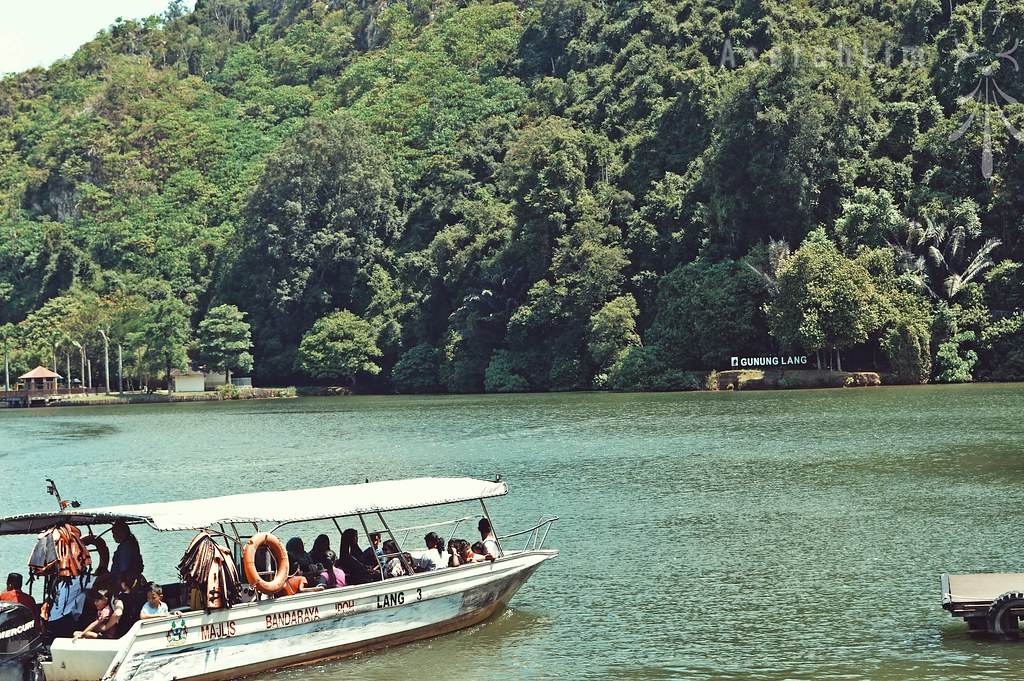
What typically goes wrong is the pickup point. The pin drops where the map thinks the entrance is, which is often the wrong side of a shopping mall or a street with no stopping. Message the driver the name of the nearest landmark and wait where a car can actually pull over. In the rain, at rush hour, and around closing time, prices rise and cars get scarce, so a ride that was $1.08 at noon can take a while to arrive at nine at night. Motorbike options are cheaper and faster in traffic, and they come with a helmet and a level of faith.
What the Splits Do
Solo travel costs more per person. A one-month solo trip runs $1,200 to $1,700 at backpacker level, or $2,800 to $4,200 at mid-range, excluding flights. Solo travellers pay roughly 15 to 25 percent more per person than couples, because rooms and taxis do not split. Solo female travellers should add $3 to $8 per day for well-located accommodation and rides after dark.
That last number is not a luxury. It is the cost of not walking home alone through an unfamiliar street at eleven at night. Budget for it the same way you budget for the flight. In practice it buys a room near the centre rather than a cheap one out past the ring road, and a ride home instead of a walk, and it is the line item that solo travellers most often cut first and regret.
On a mid-range budget, three months came to about $3,780 to $4,320 without travelling bare-bones. That covered comfortable hotels, restaurant meals, street food, ride shares and activities. The mid-range version of a trip means boutique guesthouses or comfortable hotels, good restaurants with wine, a mix of public transport and the occasional taxi or car rental, and two to three organised tours per week. Nothing about that is austere. It is just not the cheapest possible version of the same trip.
For the stretches between towns, a rental car often costs less than tours.
The daily rhythm of a mid-range day is unglamorous in a way that keeps the total down. Breakfast at the guesthouse, one paid activity in the morning while it is cool, street food or a market for lunch, a rest through the hot middle of the afternoon, then dinner somewhere with a tablecloth. The big costs, tours and hotels, are booked a day or two ahead rather than on arrival, which is usually cheaper and always less stressful. Cooking a meal or two a week in a hostel kitchen does more for the budget than any single decision on the road.
Cards, Ropeways, Easy Riders
In Tokyo, get a Suica or PASMO card, or the mobile version on an iPhone, immediately upon arrival. Tap on, tap off for all trains, subways and buses. It also works at vending machines, convenience stores and some restaurants. A Tokyo subway ride costs $1.10 to $2.10. A full day of getting around runs $4 to $10. The mobile version is the easier of the two, since it reloads from a card already in the phone and never needs a refund queue at the end of the trip. What catches people out is the sheer size of the stations: a transfer between two lines can be a ten minute walk underground, so allow more time than the map suggests.
Some transport is not about getting from A to B. The Miyajima ropeway up Mt. Misen, and the Shinhotaka Ropeway, cost $17 to $27. You are buying the view, not the distance.
In Sri Lanka, a five kilometre rickshaw ride costs 300 LKR, or $2.72. In Dubrovnik, rides to and from the bus station came to 45 HRK each way, which is about $6.80. Neither is a number that should decide your trip, but both are numbers you should know before you hand over a card. The pattern is the same in both places: the quoted price at the kerb is a guess at what a tired traveller will pay, and the metered or agreed price is lower. In Dubrovnik the local habit is to settle the fare before the bags go in the boot.
Then there is the case for paying someone else to drive. Hiring an easy rider for $70 to $90 a day, all in, means you see more than you would driving yourself, because you are not concentrating on the road. That is the whole argument. The driver knows the turns. You look at the country. All in usually means the bike, the fuel and the driver’s own food and lodging, so agree on that before the first morning and confirm whether the day ends at a fixed hour or when the light goes. The days are long and the stopping is frequent, which is the point.
The Rule Underneath
Every figure above points the same way. The cheap option is usually cheap because it is shared, slow, or local. The expensive option is usually expensive because it is private, fast, or aimed at people who have not checked.
Ask for the meter. Get the reloadable card. Take the bus when the bus goes where you are going. Pay for the ride share when it does not. Add the $3 to $8 a day if you are a solo woman travelling after dark, and do not treat it as optional.
None of this requires discipline. It requires knowing what the ride should cost before you get in.
Leave a Reply