A daily budget of $90 for food and a hotel is not going to hold in most of Belize. Comedor meals, the small local kitchens with a set plate, run $4 to $6.
What the Border Actually Costs
The bus from Chetumal pulls into the Belizean side at four in the morning. There is an isolated office, lit by a single strip light, with a counter that looks like it was installed in the 1980s and has not been argued with since. The officers inside are grumpy, understandably, and getting out of Mexico and into Belize costs each person 500 pesos in cash, which is about $25. That is the first number, and it is not on any fare chart. It is a cash transaction, at 4:00am, per person. Nobody stamps a receipt. If the bus is running late the office may be shut and the whole queue waits on the pavement until someone comes back to the window.
Belize itself is small. The distances are short. That is the good news. The bad news is that a country this small, with this few roads, has thin competition on everything from beds to boat transfers, and thin competition is what makes a budget stretch or snap. The old capital and the new capital are an hour apart. The whole northern highway is a two-lane road with sugar trucks on it. There is one real bus terminal in Belize City and it smells of diesel and fried dough, and from it almost every destination in the country is a few hours away.
What a Day Looks Like
A daily budget of $90 for food and a hotel is not going to hold in most of Belize. That figure will get you a dorm bed and three meals of rice and beans in the cheaper towns, and not much else. Camping and cooking your own food is the version that could actually work. The math is unforgiving: a restaurant meal twice a day, a room with a private bath, and a couple of bus rides will run past that number before you have done anything worth doing.
For comparison, average daily costs elsewhere sit lower. Bosnia and Herzegovina runs $55 a day. Poland runs $75. Belize is not those places. It is a Caribbean-adjacent country with Caribbean-adjacent prices on anything imported, and most things are imported. A jar of peanut butter in a Belize City supermarket costs more than the same jar in Texas, and the reason is on the label: it came in on a boat. Fresh fruit is the exception, mangoes and plantains and whatever the season is giving, and the market in San Ignacio on a Saturday morning is where that gap between imported and local is easiest to see.
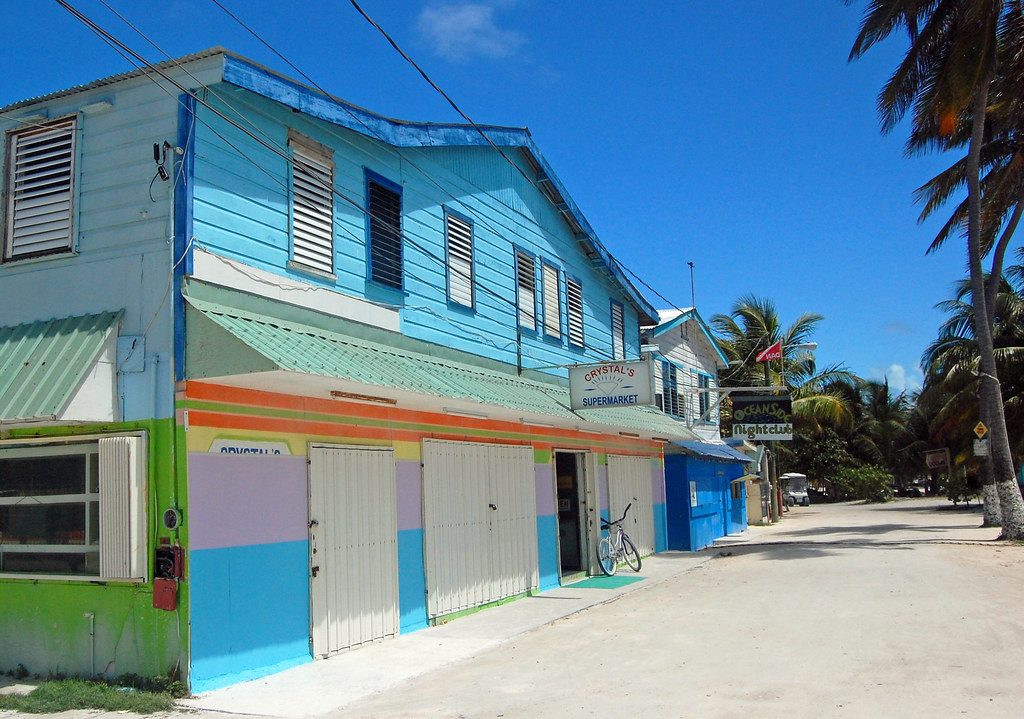
The way to keep the number down is the way it is kept down everywhere in the region. Comedor meals, the small local kitchens with a set plate, run $4 to $6. Local buses, the guaguas, cost a dollar or two. Those two facts do more for a Belize budget than any packing decision. A comedor is usually somebody’s front room with four plastic tables and a hand-written menu on the wall, and the plate is stew chicken or fish with rice and beans and a piece of fried plantain. Lunch is the big meal and it is cheapest between noon and two, when the working crowd comes through. By evening some of them shut, so the same plate at a tourist-facing restaurant costs several times more.
Beaches and the All-Inclusive Trap
Skip the all-inclusives. That advice is not moral, it is arithmetic. The cheapest Caribbean beaches reachable from the East Coast run $200 to $400 round trip, and the places where that money goes furthest are the places where tourists eat where locals eat. Comedor meals at $4 to $6, guaguas at a dollar or two, kite beaches that stay local rather than resort-shaped. The same pattern holds in Belize. The resorts are priced for people who are not reading this. The all-inclusive model works by making the gate the only exit: once the food and the drinks and the kayaks are already paid for, leaving to find the $5 plate feels like wasting money you have spent, and that is the whole design.
There is a related trap on the gear side. There are a lot of dude-bros who will tell you every $400 puffer and $600 backpacking tent you need to get started. You do not need to spend thousands of dollars to start exploring. The cheap version of this trip is a cheap tent, a stove, and a willingness to eat what the comedor is serving. Belize is hot and humid enough that a heavy sleeping bag is dead weight, and the rain comes in short violent bursts rather than all-day soaks, so a tarp and a bit of patience cover most of what a four-season tent would.
Getting There and Getting Around
Timing the flight matters more than timing anything else, because the flight is usually the single largest line item. The best time to book is a Tuesday afternoon, roughly 3.5 months before departure. Flying on a Tuesday or Wednesday may also save some dollars. That is the whole trick, and it is worth more than any hostel loyalty scheme.
Once you are in the country, a car is a liability in the towns and a necessity almost nowhere. New York is fine without a car. California without a car is a genuine problem. Belize is closer to the New York end of that scale. The bus network is thin but it exists, and the water taxis between the cayes are the real transport spine. Both are priced per trip, not per day, which means the cost of moving is a series of small payments rather than one large rental fee. The buses are retired US school buses, painted every colour, with the destination chalked on the windscreen, and they stop anywhere a hand goes up. They also stop for anyone the driver knows, which is everyone, so a scheduled three-hour run can quietly become four. The last buses leave the terminals in the late afternoon and there is no evening service on most routes, so a day trip has a hard edge to it that a rental car would not.
One more number worth holding onto: someone is paying $96 a month to live in Yellowstone National Park. That is not Belize, and it is not a hostel, but it is a reminder that the floor on accommodation is lower than most people assume when they only look at the listing sites. Seasonal work, long stays, and camping bring the monthly figure down in ways a nightly rate never will. The same logic applies on the cayes, where a weekly rate at a small guesthouse is negotiated in person at the desk and not published anywhere online.
The Honest Total
Add it up. $25 at the border, per person, in cash. $4 to $6 per comedor meal. A dollar or two per guagua ride. A flight booked on a Tuesday afternoon about 3.5 months out, and flown on a Tuesday or Wednesday. A tent instead of a $600 one. A cheap stove instead of a $400 puffer. The $90-a-day figure for food and hotel is the number that will break first, and camping plus cooking is the version that could survive it.
Belize is not a $55-a-day country like Bosnia, and it is not a $75-a-day country like Poland. It is a country where the cheap version works only if you actually do the cheap version. The expensive version is easy to fall into and hard to climb out of once you are on the cayes.
Leave a Reply