Some links on this page are affiliate links. If you book or buy through them, we may earn a small commission at no extra cost to you. It never changes what we recommend — every price here is one we would pay ourselves.
Hostels in the bigger cities run $10-$25 per night for a dorm bed. A sit-down dinner in a mid-range restaurant might set you back $10-$15.
What Things Cost
Prices in Ukraine vary by city, but the pattern holds: accommodation and food are cheap, transport between cities is cheaper than you expect, and the main variable is how much you move around. Hostels in the bigger cities run $10-$25 per night for a dorm bed. In smaller towns, family guesthouses cost less and give you a better look at daily life. Meals at local spots run $3-$8. Street food stalls and small cafes keep costs down. A sit-down dinner in a mid-range restaurant might set you back $10-$15. Coffee is $1-$2.
The differences between cities are real, though they rarely break the budget. Kyiv and Lviv sit at the top of the range, Odesa spikes in summer when everyone wants a bed near the sea, and places like Vinnytsia or Chernivtsi drop well below it. A dorm bed in a smaller city can cost a fraction of a big-city one, and the same dish at a neighbourhood canteen costs less than it does on a main square. What actually empties a wallet here is not the unit price of anything; it is how often a day involves a taxi, a train ticket, or a paid attraction. The daily rhythm matters more than the city.
If a full day hinges on one entry, buying the ticket ahead de-risks it.
Currency is worth understanding before arrival. The hryvnia is the local unit, and cash still rules in markets, small guesthouses and village buses, where card machines either do not exist or “are not working today.” Change comes in coins and small notes, so carrying a stack of low-denomination bills saves an argument. ATMs are common in cities and thin on the ground in villages, and they sometimes cap withdrawals per transaction. Many banks charge a fee on foreign cards on top of whatever the home bank takes, so it pays to withdraw larger amounts less often.
The local economy supports small businesses. Family guesthouses, street food stalls, and local buses dominate daily life. These options cost less, and they put you closer to how people actually live. That is not a marketing line. It is the practical reality of travelling here on a budget.
A reasonable budget breakdown looks like this: 30-40% for accommodation, 20-25% for transport including any flights, 20-25% for food, and 15-20% for activities and entertainment. Add a margin of 10-15% for unexpected expenses. That margin is not optional. Things come up.
What typically comes up is small and annoying rather than catastrophic: a missed connection that forces an unplanned night in a town not on the itinerary, a phone charger that dies, a sudden need for a pharmacy, a guesthouse that only takes cash. None of it is dramatic. All of it eats the buffer. The travellers who run out of money here are almost never the ones who overspent on dinner; they are the ones who treated the margin as imaginary.
Getting Around
Buses and trains are the backbone. Intercity buses are frequent and cheap. A ticket between major cities might cost $5-$15 depending on distance and the type of service. Trains are similarly priced, sometimes cheaper for the slower ones. Domestic flights exist but are rarely necessary given the distances most backpackers cover.
The train system rewards a little patience. Faster services and sleeper carriages cost more than the slow daytime trains, and the price gap is usually worth paying attention to rather than ignoring. Overnight trains double as accommodation: a berth costs less than a night in a hostel and moves you several hundred kilometres while you sleep. Booking opens well ahead of departure and the popular routes and dates sell out, especially around holidays, so the ticket window is not something to leave until the morning of travel. Buying at the station is possible and the queues move, but the counters often close for a stretch in the middle of the day, and staff may not speak much English. Writing the destination and date on a piece of paper solves most of that.
Buses fill a different gap. They reach towns the railway never touches, run from a scatter of small stations and roadside stops, and leave when full rather than to a strict timetable. The trade-off is comfort: seats are tight, luggage goes wherever it fits, and a “three-hour” journey can stretch considerably. Buying a ticket from the driver is common, but for longer routes a booked seat is safer.
If you are booking domestic flights, book 2-3 weeks in advance to score the best deals and avoid last-minute price hikes. The same logic applies to any transport you can reserve ahead. The cheapest country in the Balkans is often cited as Kosovo, but Ukraine competes on price for almost everything. Hostels there run €8-12, which is about $9-$13. Meals are €3-5, or $3-$5. Ukraine is in a similar range.
East Coast travellers consistently get the lowest transatlantic fares if you are coming from the US. West Coast departures typically run $100-$200 more per ticket due to longer routing. Always check open-jaw options. Flying into one city and out of another can reduce the overall round-trip fare. That applies to Europe generally, not just Ukraine.
Insurance and Age
Travel insurance is one of those costs people skip until they need it. Prices generally increase as you age because older people are more likely to need medical care. Travellers in their 60s pay about 10% to 20% more than travellers in their 50s. People in their 70s pay 20% to 40% more. That is not a reason to skip it. It is a reason to budget for it.
Age is only one of the levers. A policy with a high deductible costs less than one with none, and a bare-bones medical-only plan costs less than one that covers cancellations, gadgets and adventure activities. Most travellers here end up needing the boring parts: a doctor’s visit for a stomach bug, a replaced phone, a delayed bag. The dramatic claims are rare; the mundane ones are routine.
Some policies offer up to 75% reimbursement of nonrefundable trip costs if purchased within 14 days of initial trip deposit. Read the terms before you buy. The cheapest policy is not always the right one, but the most expensive one rarely is either.
The details that trip people up are the exclusions rather than the price. Pre-existing conditions, anything involving alcohol, and activities the insurer classifies as risky are the usual gaps, and they are buried in the small print. Saving the confirmation email and the emergency phone number somewhere accessible offline is worth more than it sounds when something goes wrong at an inconvenient hour.
Everyday Spending
Small items like magnets, postcards, and trinkets can cost $1-$5. Laundry is another small cost that adds up. Prices vary by city and by how much you have. In some places you will pay a third of what you would pay elsewhere for the same load. If you have a lot of laundry to do after a long hike, wait until you reach a cheaper town. The savings are real but small.
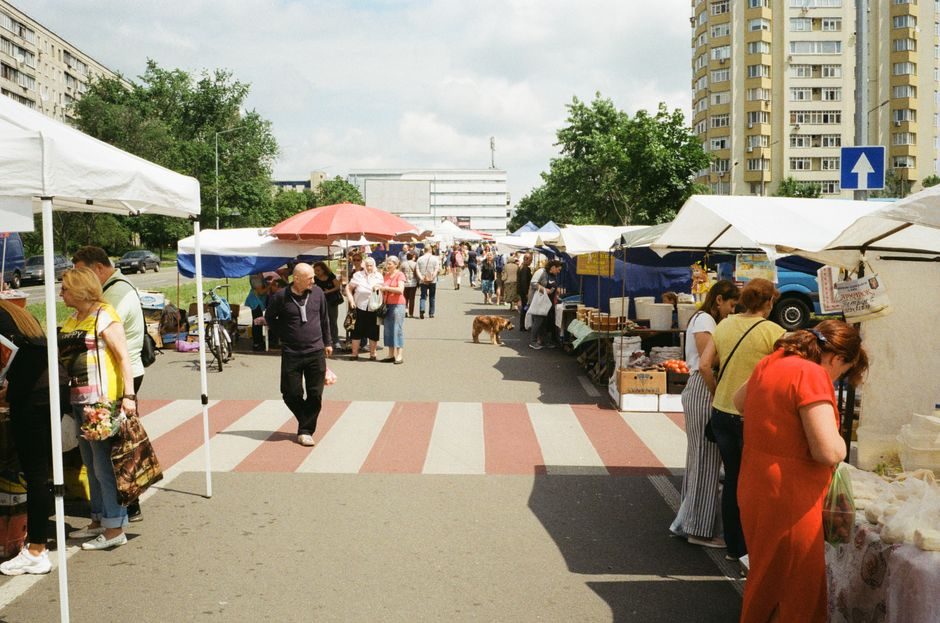
Beyond laundry, the everyday leaks are the usual suspects: bottled water, which is cheap but constant; public toilets and their attendant fees; a SIM card on arrival, which is inexpensive and solves more problems than it creates; and the steady drip of coffee, pastries and snacks that never appear in a monthly budget but do appear on the bank statement. None of these are worth agonising over individually. Together they are the difference between a comfortable day and a tight one.
Luxury accommodation exists if you want it. Beyond the standard luxury tier there is also Luxury+, costing up to $15,000 and beyond per person per night. That is not the market this article is for, but it is worth knowing the ceiling exists. The floor is much more interesting. A dorm bed, a bowl of soup, a bus ticket, and a museum entry can come in under $30 for a full day.
Tipping is a soft rule rather than a hard one. It is appreciated in restaurants and cafes and expected in taxis only loosely; rounding up is usually enough. In markets and small shops it is not a thing at all. Nobody will chase anyone down the street over it.
What to Expect
Ukraine is not a resort destination. It is a country where your money goes further than you think, and where the infrastructure rewards flexibility. Book domestic flights 2-3 weeks ahead. Take the bus when you can. Eat where the locals eat. Keep a 10-15% buffer on your budget. That is the whole method. The numbers are on your side. The rest is just showing up and paying attention.
The practical corollary is that plans should be loose. Trains sell out, buses leave when full, guesthouses fill on weekends, and ticket desks keep their own hours. Building a day or two of slack into any itinerary costs nothing and saves a great deal of stress. The travellers who enjoy this country most are not the ones with the tightest schedule or the biggest budget; they are the ones who treat a change of plan as part of the trip rather than a failure of it.
Leave a Reply