Dutch campsites, called campings, are everywhere and a tent pitch for two people runs $18 to $30 a night, with the cheaper end in Zeeland and Drenthe. Many sites charge per person plus per tent, so a solo traveller pays $12 to $20.
The Netherlands on a Shoestring
The Dutch railway system runs on a tap-in, tap-out card called OV-chipkaart, and a single second-class trip from Schiphol Airport to Amsterdam Centraal costs about $6. That is the first number most people meet, and it sets the tone: the Netherlands is not cheap, but almost nothing here is mysterious. Prices are posted. Schedules are posted. The country runs on a schedule the way other countries run on weather.
Trains and the Card
A paper single ticket costs $1 extra on top of the fare, so the plastic card pays for itself after a few rides. A disposable single-use chipkaart from a machine carries a $1 surcharge; the anonymous plastic version costs $8.60 and holds a refundable balance. Trains are the default between cities because the distances are short. Amsterdam to Utrecht is 26 minutes. Utrecht to Rotterdam is 37 minutes. Rotterdam to The Hague is 24 minutes. A second-class single between Amsterdam and Rotterdam runs about $19, and the same trip on the slower intercity is the same price — the fast and slow trains share a fare.
Two things catch people out. First, you must tap in and tap out, and forgetting the tap-out charges you the maximum fare for the route, which on a long intercity can be $27 or more. Second, the ticket machines at smaller stations take coins and cards but not always notes. Keep a few coins.
Sleeping for Less
Hostel dorm beds in Amsterdam run $35 to $60 a night in summer and drop to $22 to $30 in November. The same dorm in Utrecht is $25 to $40, and in Groningen $20 to $32. That spread is the whole argument for sleeping outside Amsterdam and taking the train in. A 30-minute ride from Amsterdam Centraal to Haarlem costs about $5.40 each way, and a dorm in Haarlem is $28 to $45. Do the arithmetic: two nights in Haarlem plus two return train trips still undercuts two nights in a central Amsterdam dorm in July.
Camping is the other lever. Dutch campsites, called campings, are everywhere and a tent pitch for two people runs $18 to $30 a night, with the cheaper end in Zeeland and Drenthe. Many sites charge per person plus per tent, so a solo traveller pays $12 to $20. Bring a tent and the nightly cost falls below any hostel in the country.
Eating Without Crying
A supermarket meal — bread, cheese, a tomato, a piece of fruit — costs $6 to $9. A sit-down lunch in a café is $14 to $20. A dinner main in a mid-range restaurant is $22 to $30. The gap between those numbers is the entire food strategy: buy breakfast and lunch at a supermarket, eat one cooked meal a day.
The Dutch snack counter is the budget traveller’s friend. A portion of fries with mayonnaise is $3.50 to $5. A kroket from a wall-mounted vending machine is $2.50 to $3.50. A broodje (sandwich) from a bakery is $5 to $8. Coffee from a café is $3.50 to $4.50; coffee from a supermarket is $1.50 for a whole carton.
Tap water is safe and free, and asking for it in a café is normal. Beer in a bar is $4 to $6 for a small glass. The Albert Heijn supermarket chain is the cheapest of the big ones; the Lidl and Aldi stores undercut it further by roughly 20 percent on staples.
Getting Around Inside Cities
Amsterdam is small enough to walk end to end in 40 minutes. Bicycles are the local transport and renting one costs $12 to $18 a day, or $8 to $12 for a half day. A tram single ride is $3.60 if bought on board, or $2.20 if you tap the card. A day pass for the tram, metro and bus in Amsterdam is $9.70.
Bicycle theft is common. Rent from a shop, not a stranger, and use the lock that comes with the bike. Helmets are not worn by locals and are not required.
What Is Free
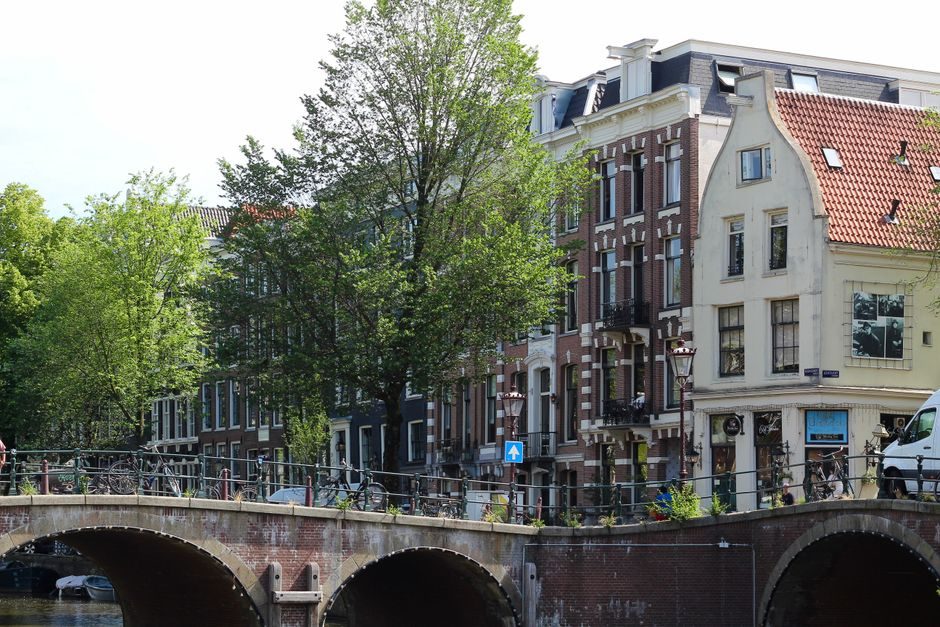
The Netherlands has a deep bench of free things. Walking the canals costs nothing. The Vondelpark in Amsterdam is free and large enough to lose an afternoon. The beach at Scheveningen is a 20-minute tram ride from The Hague and costs only the tram fare. The Markthal in Rotterdam is free to walk through. The Binnenhof in The Hague and the old harbours of Hoorn and Enkhuizen cost nothing to wander.
Museums are the expensive part. The Rijksmuseum is $25. The Van Gogh Museum is $24. The Anne Frank House is $17.50 and requires booking a timed slot. The Mauritshuis in The Hague is $21. Many museums are free with the Museumkaart, which costs $81 and covers more than 400 museums; it pays for itself after four or five visits. If you plan to see three museums in a week, the card is close to break-even; at five, it wins.
The Money Math
A careful week in the Netherlands, sleeping in dorms outside Amsterdam, eating supermarket food plus one cheap hot meal, and using trains between cities, lands around $70 to $95 a day. That is $490 to $665 for a week. Add museum entries and it climbs by $50 to $100. The single biggest variable is accommodation: two people in a tent cut the daily figure by $15 to $25 each.
The country rewards planning more than most. Trains are frequent, prices are fixed, and the difference between a $35 dorm and a $60 one is often a 30-minute train ride.
Leave a Reply