
Some links on this page are affiliate links. If you book or buy through them, we may earn a small commission at no extra cost to you. It never changes what we recommend — every price here is one we would pay ourselves.
Chile and Argentina sit noticeably higher than most of Southeast Asia, and in Argentina’s case the gap has widened. Expect $29 to $65 for an entire 24 hours of movement.
Argentina and Chile Without Wasting Money
The bus from Puerto Montt to Puerto Natales takes 34 hours and costs $80. That is the Carraterra Austral, most of it gravel, and it tells you something about transport costs in this part of South America before you have even paid for a bed. The route runs down through Chiloé and then cuts across the Aysén region, where the road is unpaved for long stretches and the bus stops at roadside sheds for meals that are included in the fare or cost a few dollars extra. Nobody sleeps well. Bring layers, because the cabin goes from stuffy to freezing as the road climbs.
Travelers heading to Argentina and Chile expecting Bolivia or Paraguay prices will be disappointed. Those two can match Southeast Asian costs. Colombia and Peru come in slightly above Thailand or Vietnam but remain affordable by global standards. Chile and Argentina sit noticeably higher than most of Southeast Asia, and in Argentina’s case the gap has widened.
The Argentina Problem
Argentina is debatable. It has had crazy inflation for years, and it got worse. Back in 2014 the rate was already wild enough that visitors had to learn their way around the blue dollar. President Javier Milei’s economic reforms have since strengthened the peso, which pushed prices up and caused a 25% drop in tourism arrivals in the first half of 2025. Some travelers now report prices exceeding those in Europe. That is a real shift for a country that spent a decade as the cheap option on the continent.
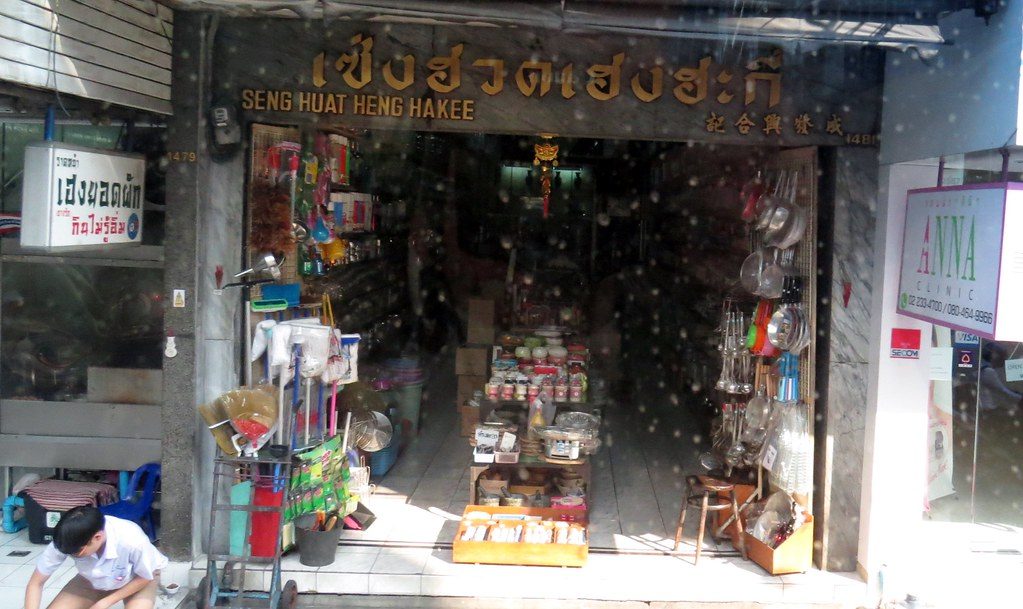
The northwest is where the math still works. In places like Jujuy, Salta, or Tucuman you get European-like levels of development with prices well below those of Spain. Private rooms start around $20 in these smaller cities. That is a private room, not a dorm bed. For anyone building a route around value rather than highlights, this is the region to weight your time toward. Salta in particular has a walkable center, a cable car up Cerro San Bernardo for a few dollars, and a bus network that reaches the Quebrada de Humahuaca in a couple of hours. Hostels there are small, family-run places rather than the party factories of the big cities, and the empanadas sold from street windows at night are the cheapest meal going.
Chile and the Daily Budget
Chile is not cheap, but a full day of travel does not have to break you. Expect $29 to $65 for an entire 24 hours of movement. That range is wide because it depends on distance and how far south you are going. A short hop between towns in the central valley sits at the bottom of that band; anything crossing into Patagonia pushes toward the top, and the further south the bus goes, the more the ticket climbs. Overnight services cost more than daytime ones, and buying at the terminal on the day of travel is usually more expensive than booking a day or two ahead online.
Renting a bicycle is one of the better-value moves in Chile. It costs about $5, and the quality is usually not the best, so check the bike before you commit. For comparison, the same rental runs about 1 euro in Vienna, which converts to roughly $1.08. Chile is five times that, but still cheap enough to make a day of it. Bring your own bike if you are on a longer trip and the logistics allow it. Brakes and tyres are the two things to test before handing over money, and a helmet is often not included unless asked for. In the wine towns of the central valley, a bike is genuinely the best way to string together a few vineyards without paying for a tour.
The Three-Times Rule
There is a rough method for predicting daily spend in any city. Multiply your accommodation cost by three. A backpacker paying 15 euros for a hostel in Lisbon, which is about $16.20, can expect to spend roughly 45 euros a day, or about $48.60. The same logic applies here. If your bed in Salta costs $20, budget around $60 for the day and you will not be far off for a comfortable backpacker style. Some travelers plan on $45 a day across Colombia, Ecuador, Peru, Chile and Bolivia, staying longest in Bolivia and Peru because those are the cheapest. That number is achievable in the north of Argentina and in Bolivia. It is tight in Chile and tighter still in Patagonia. The rule breaks down in two situations: when a long-distance bus ticket lands on the same day as a bed, and when a national park entry fee is due. Both can double a day’s spend on their own, so it pays to look at the week rather than the day.
On the headline sights, booking ahead is usually the difference between a queue and a walk-in.
Eating and Paying
Restaurant food is expensive. In Uruguay, a chivito, the classic steak sandwich, goes for about $10. A midrange restaurant with a drink runs $25. A top-end place with wine is double that, so $50. Argentina has the same problem, though eating a steak there remains one of the things you do regardless of what it costs. The workaround everywhere in the region is the midday set menu, sold as the menu del día or almuerzo, which bundles a soup, a main and sometimes a dessert for a fraction of the evening à la carte price. Locals eat their big meal at lunch and keep dinner light, and copying that habit saves real money. Supermarkets are well stocked, and cooking in a hostel kitchen two or three nights a week is what keeps the daily average down.
Currency matters more than usual. As of November 2024, the exchange rate fluctuates around 17 to 20 pesos per US dollar and 18 to 22 pesos per euro. These rates vary daily and differ between banks, exchange houses, and ATMs. Mexico is a separate warning: last year you could often get 20 pesos for a dollar at peak, and now it is nearing 18. Western currencies do not stretch the way they did. In Argentina the gap between the official rate and the parallel one has narrowed sharply, so the old routine of turning up with a brick of foreign cash no longer pays the way it once did. Carry some physical dollars anyway, in clean, unmarked notes, because cambio houses in the north still prefer them and small businesses occasionally quote a better price for cash.
For trips longer than three months, a long-duration insurance policy is worth arranging before you leave. Standard policies are not built for a multi-month overland route. The usual trap is a policy that caps the total trip length at 90 days or requires a return ticket home, which quietly voids cover halfway through a route like this one. Read the fine print on trip duration and on what counts as a pre-existing condition before paying.
Leave a Reply