A shared minibus, the daladala, is $0.25 to $0.50 depending on distance. A private taxi from the airport to Arusha city centre is $20 to $25, and it will not drop below $15 no matter how long you stand there.
Tanzania: Prices and Practicalities
A dorm bed in Moshi costs $12 a night. A dorm bed in central Zanzibar costs $25. The same room type, the same country, roughly the same month. The difference is the ferry, which is $35 each way, and the fact that Zanzibar knows exactly what it has.
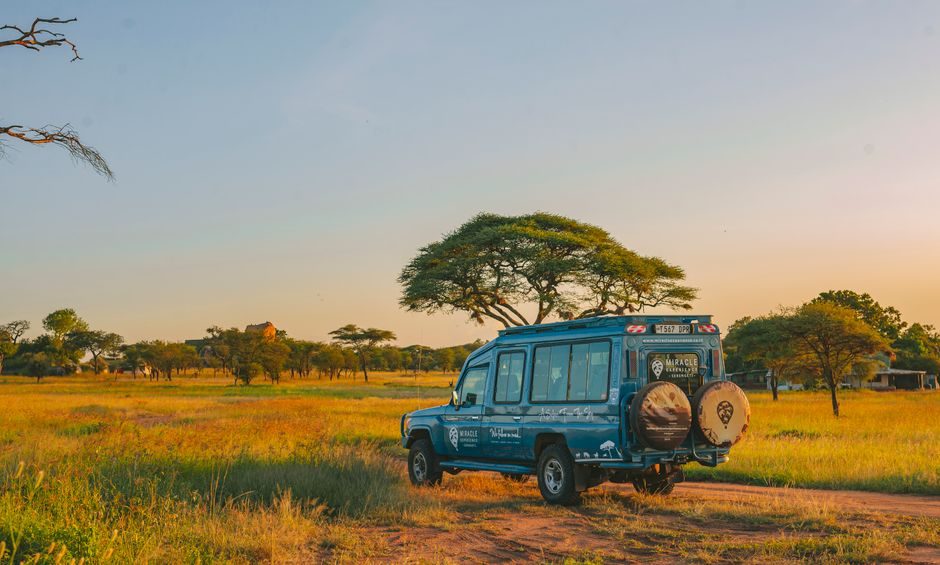
The single biggest number in any Tanzania budget is the safari. On the northern circuit, a three-day camping safari out of Arusha runs $180 to $250 per person per day if you join a group, and $400 and up if you insist on a private vehicle. A four-day Serengeti and Ngorongoro trip booked with a mid-range operator lands around $800 to $1,100 total. The park fees alone tell you why. Serengeti entry is $70 per adult per day, Ngorongoro crater entry is $70 per day plus a $295 vehicle fee for the crater floor, and the Ngorongoro conservation area charges a $60 vehicle fee. Those figures do not move with your negotiating skills.
Getting In and Getting Around
A one-way flight from Kilimanjaro International to Zanzibar is $80 to $140 depending on how far ahead you book. The ferry from Dar es Salaam to Stone Town is $35 for economy and $60 for the air-conditioned cabin, and it takes about two hours. The bus from Arusha to Dar es Salaam is $25 to $35 and takes ten to twelve hours, which is the trade you make.
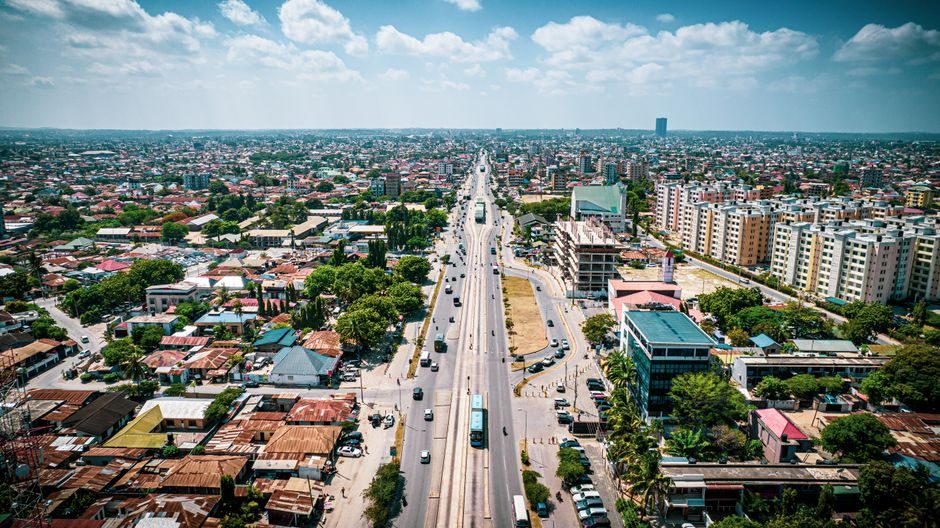
Within Arusha, a motorcycle taxi across town is $1. A shared minibus, the daladala, is $0.25 to $0.50 depending on distance. A private taxi from the airport to Arusha city centre is $20 to $25, and it will not drop below $15 no matter how long you stand there.
The Kilimanjaro trek is the other trip-defining expense. The minimum permitted route is the Marangu, five days, and the cheapest operators sell it at $1,100 to $1,400 per person including park fees, hut accommodation, guide, porters and food. The Machame route, seven days, starts at $1,500 and climbs to $2,200 with a better operator. Park fees for Kilimanjaro are $70 per day for the conservation fee, plus $50 per night for hut accommodation on Marangu, plus a rescue fee of $20 and a $10 permit. Porters must be paid at least $10 per day by the operator, and guides $20, and those are mandated rates, not suggestions. If a quote comes in below $1,000 for a five-day climb, something inside it is not being paid.
Sleeping
Dorm beds in Arusha run $10 to $15. Private rooms with a shared bathroom run $20 to $30. In Moshi, the same dorm is $12 and a private double with hot water is $35. In Dar es Salaam, dorms are $15 to $20 and mid-range hotels with a pool are $60 to $90. Stone Town dorms are $20 to $30. Beach bungalows on the east coast of Zanzibar, near Paje, are $40 to $70 for a double, and the further north you go toward Nungwi, the closer you get to $100.
The pattern is consistent: the mainland is cheaper than the islands, and the coast is cheaper than the towns.
Eating
Street food is where the budget holds. A plate of chipsi mayai, the egg and fry omelette, is $1.50 to $2. A plate of pilau or biryani from a local restaurant is $2 to $3. A whole grilled fish with rice at a beach shack in Zanzibar is $6 to $8. A kilo of bananas at a market is $0.80. A beer is $1.50 at a local bar and $4 at a hotel in Stone Town. A coffee at a tourist cafe in Arusha is $2.50.
In tourist restaurants in Arusha or Stone Town, a main course is $8 to $15. In safari lodges, dinner is often included in the rate, and if it is not, expect $20 to $30 per person. Bottled water is $0.50 from a shop and $2 from a hotel. A meal at a Zanzibar resort is $15 to $25.
The Extras That Add Up
The Tanzanian visa on arrival is $50 for US citizens and $100 for US citizens applying for a multiple-entry visa, though most nationalities pay $50. That is the single-entry tourist visa, valid for 90 days.
Travel insurance that covers trekking above 3,000 metres costs more than the standard policy. A week of coverage for Kilimanjaro runs $40 to $70.
Yellow fever vaccination is required if you are arriving from a country with transmission, and the certificate is checked. Malaria prophylaxis for three weeks costs $30 to $60 depending on the drug.
A SIM card with 10GB of data is $10. Airport transfers in Zanzibar are $15 to $20. A sunset dhow cruise in Stone Town is $20. A spice tour is $15. Snorkelling at Mnemba Atoll is $40 including gear and lunch. A diving trip is $70 to $90 for two tanks.
Tipping is expected on safari. The going rate is $10 to $15 per day for your guide and $5 to $10 per day for the cook, split across the group. On Kilimanjaro, the tip pool is $150 to $250 per climber for the whole crew, and it is not optional in practice.
What a Week Actually Costs
A backpacker moving between Arusha, Moshi and Dar es Salaam, eating street food, taking buses and staying in dorms, spends $45 to $60 per day before any safari or trek.
Add a four-day group safari at $900 and a five-day Marangu climb at $1,200 and the trip stops being cheap. That is $2,100 in activities alone.
A week on Zanzibar, in a $50 double, eating at local places and taking one $40 snorkelling trip, runs $70 to $90 per day for a couple, or about $50 per person per day if you share the room.
The honest summary: Tanzania is affordable to travel through and expensive to do things in. The buses, the food and the beds are cheap. The parks and the mountain are not, and no amount of haggling changes a $70 daily conservation fee. Budget for the fees first. Whatever is left over is what you actually get to spend on being there.
Leave a Reply