Poland: What Travelers Report
The first number that matters is $1.50. That is what a single metro, tram or bus journey costs in most European cities, and it is the floor you should plan around. Poland sits at the lower end of that range in practice, though the honest version is that fares run $1.50 to $3.50 per journey depending on the city and how far out you are going. A weekly transit pass in a major city runs $20 to $35. Buy the pass. Taxis and rideshares add up fast and are not a sensible primary way to get around if you are counting money.
The Daily Number
For accommodations, food, transportation and activities combined, the working figure is $75 per person per day for a budget traveler and $225 per person per day for mid-range. That is the spread. Where you land inside it depends almost entirely on two things: where you sleep and how often you pay for a ride.
Hostel dorms run €8 to €18 a night. At 1 EUR = 1.08 USD, that is roughly $9 to $19. Mid-range private rooms come in at €25 to €45 per person, or about $27 to $49. Boutique hotels in peak season run €60 to €100 or more per person, which converts to $65 to $108 and up. The pattern worth noticing: a private room in a hostel typically costs 20 to 40 percent less than an equivalent budget hotel room in the same area. Same neighborhood, same bed, different sign above the door.
Food That Stretches
The cheapest meal on any trail or in any city is the one that gets refilled. Dal bhat, a set meal of rice, lentil soup, vegetables and pickle, costs $5 to $8 at lower elevations, and refills are free at most teahouses. That makes it the single most cost-efficient meal you can order. Two servings for the price of one is not a special. It is the standard.
Then there is choripan. Grilled chorizo between bread or a roll, with salad and hot sauce. Street stalls sell them for less than $1 each on average. This is the number that changes a daily food budget. If lunch costs under a dollar and dinner costs $5 to $8, the food line on your spreadsheet stops being the problem.
Charging and Small Costs
A portable solar charger or power bank costs $20 to $60 to buy. Charging a device at a teahouse costs $2 to $5 per device, per charge. A power bank with 20,000mAh capacity eliminates on-trail charging costs entirely. Do the arithmetic once: three devices charged at $3 each across five nights is $45, which is more than the power bank cost. The purchase pays for itself before the trip ends.
Where the Numbers Get Bigger
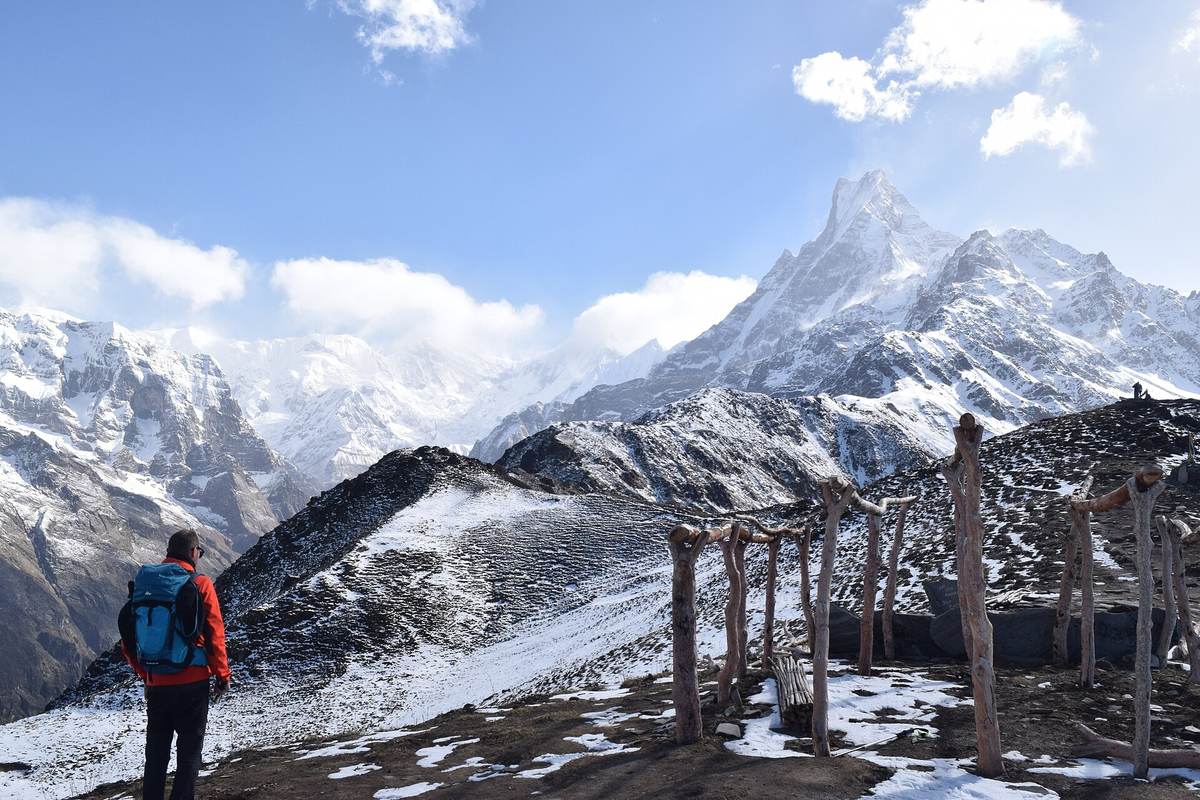
Some costs do not compress. The Ghorepani–Poon Hill trek in Nepal is one of the shortest Himalayan routes and among the most affordable treks in the country. New roads up to Ulleri mean it can be completed in two days. It still costs $450 to $700. That is not a daily figure. That is the whole thing, and it does not shrink because you slept in a dorm.
The same logic applies at the top end. A one-year target budget of roughly $25,000 plus €35,000 comes to about $63,000 rounded when the euros convert at 1.08. That is a different category of travel entirely, and it is worth being honest that most people reading a budget blog are not working with that number.
Attraction passes need their own test. If the combined cost of the top three attractions you plan to visit is within about 75 percent or more of the pass price, the pass is likely a good deal. If it is less than that, buy tickets individually. Check current 2026 prices for Paris Pass, Rome tourist cards and local museum bundles before committing. The rule is not the price of the pass. The rule is the price of the three things you would actually do.
What the Figures Say
The spread between $75 and $225 per day is not about luck. It is about dorm versus private room, transit pass versus taxi, dal bhat versus a restaurant with a menu in three languages. Poland rewards the first choice in each pair. The country is not a secret and it is not a hardship posting. It is a place where the numbers sit low enough that a $1.50 tram ride and a sub-$1 choripan do most of the work for you.
Leave a Reply