A dorm bed in Beirut costs $12 a night. A shawarma wrap from a street counter costs $2 to $3.
Lebanon on a Shoestring
A dorm bed in Beirut costs $12 a night. A shared taxi from Beirut to Baalbek costs $10. A plate of hummus and a plate of foul cost $4 together. Lebanon has a reputation for being expensive, and in parts of Beirut it is. But move half an hour in any direction and the prices fall off a cliff.
Beirut sleeping and eating
Beirut’s hostel scene is thin. There are a handful of places clustered around Gemmayzeh and Mar Mikhael, and a dorm bed runs $12 to $18 a night. Private rooms in the same buildings go for $35 to $50. Hotels in Hamra start around $50 for a double, and anything in the $60 to $80 range will get you a clean room with air conditioning and breakfast.
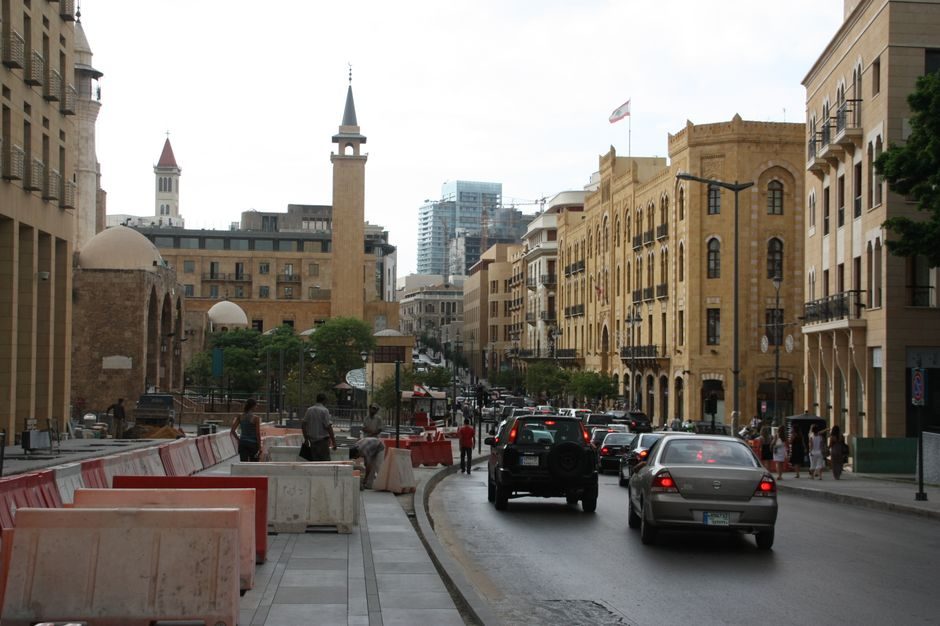
Food is where Beirut gets cheap fast. A shawarma wrap from a street counter costs $2 to $3. Manakish, the flatbread with za’atar or cheese, costs $1 to $2 depending on the topping. A full mezze meal at a mid-range restaurant — hummus, baba ghanoush, tabbouleh, falafel, pickles, bread — comes to $10 to $14 per person if you order for the table and share. Sit-down restaurants in Badaro and Hamra are noticeably cheaper than anything in downtown or the waterfront. Downtown Beirut, around the parliament and the new developments, is where prices jump: a coffee there can cost $5, the same coffee in Hamra costs $1.50.
Alcohol in supermarkets is cheap. A bottle of local beer is $1.50. Arak, the anise spirit, runs $8 to $12 a bottle. Bars in Mar Mikhael charge $5 to $8 for a cocktail, which is not cheap by regional standards but is roughly half of what you would pay in Dubai.
Getting around
The shared taxi, called a service, is the backbone of Lebanese transport. A service within Beirut costs $2 flat. A service from Beirut to Tripoli costs $4. Beirut to Saida costs $3. Beirut to Tyre costs $5. Beirut to Baalbek costs $10, and the trip takes roughly two and a half hours depending on checkpoints.
Longer runs exist but are less predictable. Beirut to the Cedars takes four hours and costs around $15 in a shared car, or $60 to $80 if you hire the whole vehicle. Buses run some of these routes for less — Beirut to Tripoli on a bus is $2 to $3 — but they are slower and less frequent.
Within cities, taxis are a negotiation. A metered ride inside Beirut is rare. Drivers will quote $10 to $15 for trips across town, and the correct response is to offer $5 and walk away if refused. The service system covers most of what a visitor needs anyway.
Renting a car is possible for $30 to $45 a day for a small manual, plus fuel. Fuel runs about $1.20 a litre. That math only works if you are splitting it three or four ways.
The Bekaa and Baalbek
Baalbek is the reason many people come to Lebanon. The Roman temple complex there is the largest of its kind anywhere, and the entry fee is $10 for foreigners. The site takes three to four hours to walk properly. There is a small museum on site included in the ticket.
Guesthouses in Baalbek and the surrounding villages run $25 to $40 for a double room. A meal in a local restaurant costs $5 to $8. The town itself is small and walkable, and the walk from the main street to the ruins takes fifteen minutes.
Getting to Baalbek from Beirut is the part that requires planning. The service leaves from a specific station in Beirut, not from the centre, and the last return service leaves Baalbek in the early afternoon. Miss it and you are paying for a private car back, which costs $40 to $60.
The coast and the south
Saida has a crusader sea castle and a soap museum, both cheap. The sea castle entry fee is $3. The old town is free to walk. A fish lunch on the corniche costs $8 to $12. A hotel room in Saida runs $30 to $50 for a double.
Tyre is further south and quieter. The Roman hippodrome and the al-Bass site together cost $6 to enter. The beach is free. Guesthouses near the Christian quarter run $25 to $35 for a double. A service from Beirut to Tyre is $5 and takes about an hour and a half.
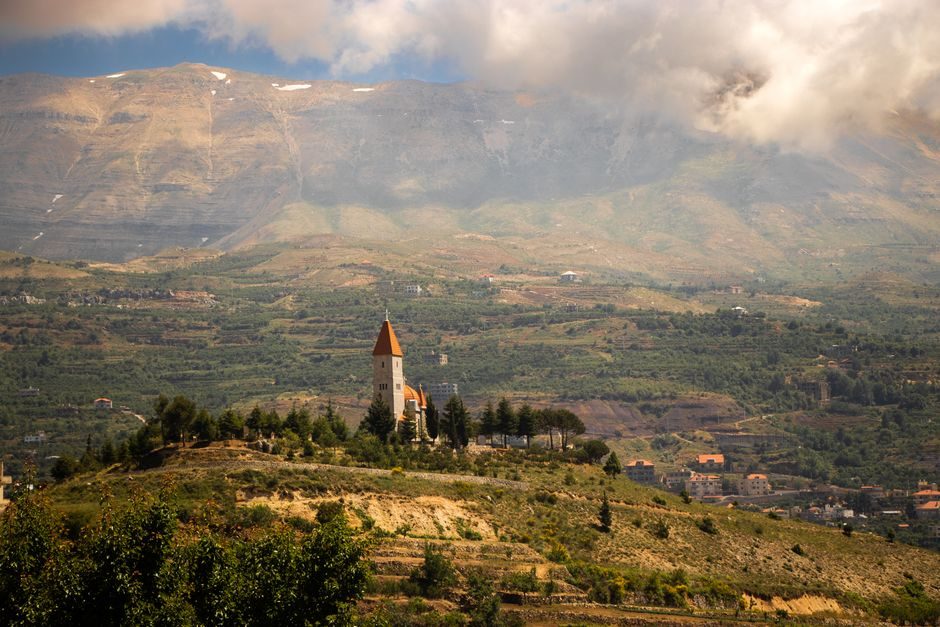
The Cedars and the mountains above Byblos are the expensive end. A night in a mountain guesthouse near the Cedars runs $50 to $80. Ski passes in winter cost $25 to $40 a day depending on the resort, and ski rental is $15 to $25. In summer the same villages are cheap and empty, and a room drops to $30.
Byblos itself is a middle option. The archaeological site entry is $8. A hotel double is $40 to $60. A meal in the old souk is $8 to $12. The town is small enough to see in a day and a night.
What it costs per day
A bare-bones day in Lebanon — dorm bed, street food, service taxis, one paid site — lands around $30 to $40. A comfortable day with a private room, restaurant meals and a couple of taxis runs $70 to $90. A day with a hired car, a mountain guesthouse and sit-down meals goes to $130 or more.
Cash is the default. Many places take cards, but small restaurants, services and guesthouses often do not. ATMs exist in cities and are less reliable in villages. Withdrawing a larger amount in Beirut and carrying it is the practical approach.
The country is small. Beirut to Baalbek is 85 kilometres. Beirut to Tyre is 80 kilometres. Nothing is more than a four-hour drive from anything else. That is the real advantage for a backpacker: you can sleep in one cheap place and reach most of the country on day trips for $5 to $10 each way.
Leave a Reply