Some links on this page are affiliate links. If you book or buy through them, we may earn a small commission at no extra cost to you. It never changes what we recommend — every price here is one we would pay ourselves.
A local SIM with data costs $5-15 in most countries. On a $94.40 entry fee — which is what the Masai Mara used to cost per adult per day in all seasons, $80 plus 18% tax — the buffer idea was already priced in.
Two Gulf States, Real Numbers
A local SIM with data costs $5-15 in most countries. That is the first purchase worth making, in Kuwait or Bahrain or anywhere else in the Gulf. Wi-Fi hunting wastes time and steers you into tourist-priced cafes. Maps, translation apps, and ride-hailing all run on data, and the money the SIM saves on transport and food alone outruns its cost within a day or two. In Kuwait the main operators sell tourist SIMs at the airport arrivals hall and at branded shops in the malls, and activation usually takes a passport and ten minutes at the counter; the queue is the slow part, not the paperwork. In Bahrain the same purchase is quicker, and the airport desk stays open around the clock, which matters if a late flight lands after the city shops have shut. Buy at the airport rather than waiting for a mall, because the first ride from the terminal is exactly when a working map earns its keep. Check that the plan includes data and not just calls, since prepaid voice-only top-ups are common and the clerk may default to one.
Kuwait, Briefly
Kuwait runs on cash and cards, but small vendors lean cash, and the country is not cheap. The same seat on a plane can carry three different prices depending on when you buy — $18, $55 and $185 for the same seat is not a hypothetical, it is the spread you will see if you look at a route for more than five minutes. Airfare is the fastest-moving category in travel costs overall, up 14.9% year on year, while lodging is up 2.1% and dining out is up 3.8%. Average U.S. travel costs are 7% higher according to one price index. That matters less when you are already in the region, but it tells you the direction.
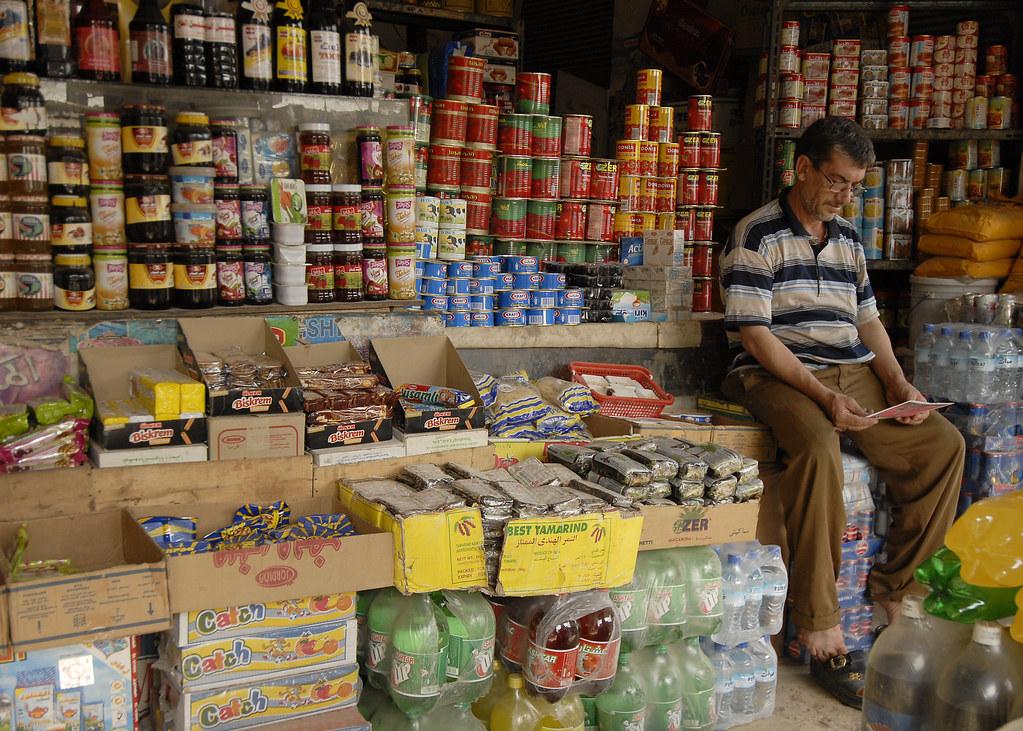
Bartering is part of the culture in Gulf markets. Starting prices run over 50% higher than the target price. Not every stall, not every item, but enough that paying the first number is leaving money on the table. Walk away once. The price usually follows you. The ritual has a shape: the vendor opens high, the buyer counters low, and both sides expect a few rounds before anything is settled. Rushing it reads as amateur and rarely gets the best number. Cash settles the deal faster than a card, and having small notes ready is its own quiet leverage. What does not barter is fixed retail — malls, chain shops, supermarkets, fuel, and anything with a printed price tag. Trying to negotiate in those places wastes everyone’s time. Mubarakiya, the old market in Kuwait City, is where the practice still lives, and the covered lanes are worth a slow walk even if nothing gets bought. Friday mornings are quiet; evenings after prayer are the opposite. Summer heat pushes the whole city indoors and into the malls, so the outdoor markets are best visited from late autumn through early spring, when the evenings are actually walkable.
Bahrain, In Practice
Bahrain is smaller and easier to cross in a day. The souq in Manama, the fort at Arad, the causeway if you are coming from Saudi. Costs stack similarly to Kuwait: mid-range hotels eat the budget, food does not. A 15% buffer on top of whatever you think you will spend is the right number. It absorbs the taxi you did not plan for, the entry fee you misread, the meal that ran long.
The Manama souq sits behind Bab Al Bahrain, the old gateway on the waterfront, and the lanes there are denser and more walkable than Kuwait’s, which makes a half-day enough to cover it without rushing. The fort at Arad, properly Bahrain Fort, sits on the coast a short drive from the city and is a UNESCO site; the on-site museum explains the layers of settlement, and the ticket desk closes mid-afternoon, so an early start avoids arriving to locked gates. The causeway to Saudi is a border crossing, not a road — passports, queuing, and a wait that can run long on weekends and holidays, so build in slack if the plan involves crossing it. Getting around is easiest by ride-hailing, and taxis are metered but the app removes the conversation. Hiring a car is cheap by Gulf standards but parking in the old quarters is the headache. Bahrain packs its sights close together, so a single unhurried day covers the fort, the souq, and the national museum, which is the one most visitors skip and later regret.
For the sites that cap entry, booking ahead is not optional in summer.
If you are combining the two, fly into one and out of the other. Kuwait to Bahrain is short and the fares are not punishing if you book more than a week out. The $18 seat exists. So does the $185 one. The difference is timing, not luck.
What Desert Trips Actually Cost
Desert tours in Morocco run $100-300, roughly. That is a useful anchor for the Gulf because the terrain is comparable and the logistics are similar. Rent a quality 4WD with a driver — going it alone is possible but a driver rarely adds much to the overall cost and removes a category of problem. Sleeping bag matters if you are camping overnight. If you have spent a night in the woods or in mountains, you already know this. If you have not, the desert gets cold, and the rental bag at the outfitter is the one item worth replacing.
What the outfitter typically provides is the vehicle, the driver, fuel, and water; what it typically does not is anything beyond that, so meals, extra drinks, and any add-on activity get priced separately and quietly. Ask what is included before the wheels roll, because the answer changes the real number. A day trip out and back is one thing; an overnight with dinner and a sunrise start is another, and the second is where the value sits if the schedule allows it. The driver is also the local knowledge — where to stop for the good view, which dunes are safe to walk, when to turn back. Nights in the open desert drop hard once the sun is gone, which is why the sleeping bag point is not a small one. Bring layers. The day is hot, the night is not, and the gap surprises people who packed for one and not the other. Tipping the driver is customary and expected, folded into the buffer rather than treated as optional.
The Buffer and the Math
A 15% buffer is not pessimism. It is arithmetic. On a $300 desert trip, that is $45. On a $94.40 entry fee — which is what the Masai Mara used to cost per adult per day in all seasons, $80 plus 18% tax — the buffer idea was already priced in. Starting in 2024 those fees rise to $236 per adult per entry per day in peak season (July to December) and $118 in low season (January to June). Same park. Same animals. The number moved. This is the pattern to watch in the Gulf too, where entry fees and permit costs are less publicized but move in the same direction.
Thailand daily expenses sit low enough that a 2026 cost analysis puts them well under Gulf numbers, which tells you the Gulf is not a budget destination in the way Southeast Asia is. It is a short-haul destination with a few cheap levers. The SIM is one. The bartered price is another. Booking airfare early is the third, and it is the biggest.
For reference, one month living in the Philippines as an early retiree is a number worth looking up before you commit to a Gulf itinerary, because the gap is wide. A camping trip done properly — site with entrance fee, mixed food, SUV, firewood, one paid activity — lands somewhere in the $230-380 range. That is the shape of a short trip almost anywhere. The Gulf is not cheaper than that. It is faster to reach from Europe, and the flights are the part you can actually control.
Leave a Reply