Some links on this page are affiliate links. If you book or buy through them, we may earn a small commission at no extra cost to you. It never changes what we recommend — every price here is one we would pay ourselves.
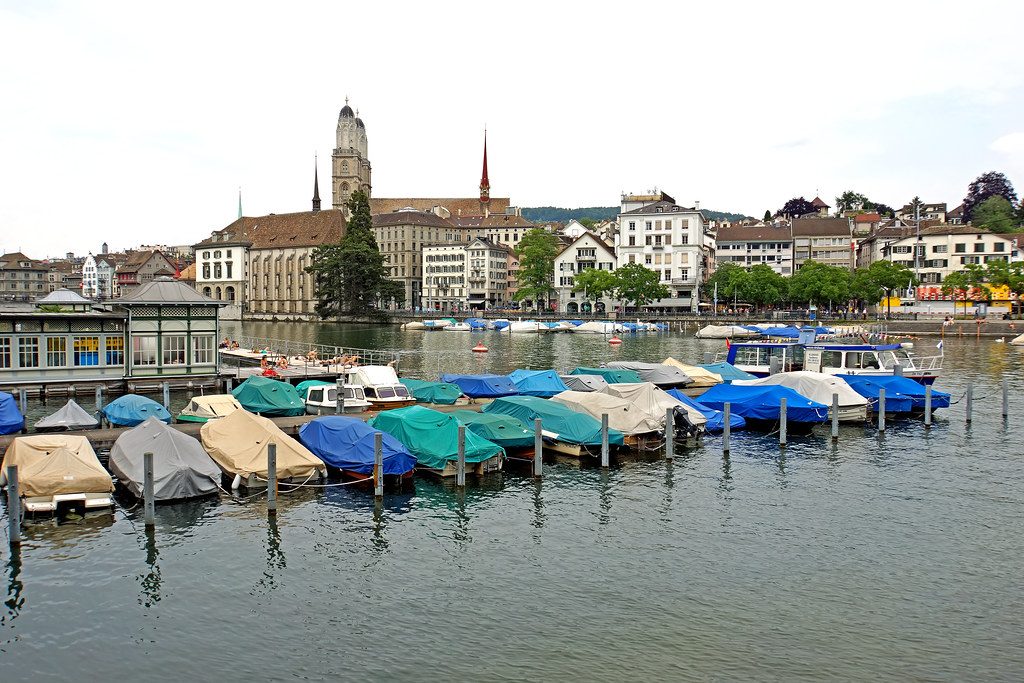
A standard double at the Shibuya Stream Excel Hotel Tokyu runs $309 per night. Worth noting what that $309 buys, because it is not just a bed.
What a Room Actually Costs
A standard double at the Shibuya Stream Excel Hotel Tokyu runs $309 per night. That is one room, one night, one city. It is also roughly ten nights in a Kathmandu guesthouse if you spend the money on gear rental instead of a bed you will only sleep in.
Worth noting what that $309 buys, because it is not just a bed. The Shibuya Stream sits directly above Shibuya Station, which means the room rate is really a location premium: a lift ride down to the JR lines, the Ginza line and the Tokyu Toyoko line, and no taxi at midnight. Rooms on the lower floors face the tracks and the crossing; higher floors look out over the scramble and, on a clear morning, a slice of Fuji. Check-in at Japanese business hotels of this class typically starts at 3pm and check-out is at 11am, and the desk will hold luggage before and after without charge. None of that makes the number smaller. It just explains why the number is what it is, and why the same room booked through a different channel in a different month can land somewhere else entirely.
The useful comparison is not Tokyo against Kathmandu. It is Tokyo against Tokyo. The same seat on the same plane can cost $18, $55 and $185 depending on when it was bought and how flexible the dates were. That spread exists everywhere. It is the single largest variable in most trip budgets, and it is the one people look at last.
Nepal, by the Numbers
Renting gear in Kathmandu makes financial sense for six high-cost, single-use items. A down sleeping bag runs $2 to $3 per day. A down jacket is $2 to $4 per day. Trekking poles are $1 to $2 per day. Crampons are $1 to $2 per day. A duffle bag for porter loads is $1 to $2 per day. An altitude tent for expedition camps is $5 to $10 per day.
Add the top of those ranges and you are at $21 a day for a full kit you did not have to buy, carry across an ocean, or store afterward. Add the bottom of those ranges and it is $12. Either way, the math favours renting.
The shops cluster in Thamel, mostly on the lanes running off Chhetrapati and around the edges of the main drag, and most of them open by nine and stay open past dark. The process is the same everywhere: state how many days, pay a deposit that is usually returned in full when the gear comes back undamaged, and inspect the zip and the baffles before it leaves the counter. A sleeping bag that has been rented hard for three seasons will not loft the way a new one does, and the difference shows up at altitude, not in the shop. Down jackets and bags are the two items where a bad rental actually costs something beyond money, so those are the ones to check twice. Poles and crampons are simple enough that almost anything on the rack will do the job.
Accommodation on the trail is its own scale. Teahouses charge around Rs 500 to Rs 700 per night for a single room. That is about $4 to $5. A shared room is Rs 300 to Rs 500 per bed, which is roughly $2 to $4. Food and drinks run Rs 1,500 to Rs 2,500 daily, or about $11 to $18. Choosing menu items carefully brings that food figure down. The room is not where the money goes. The kitchen is.
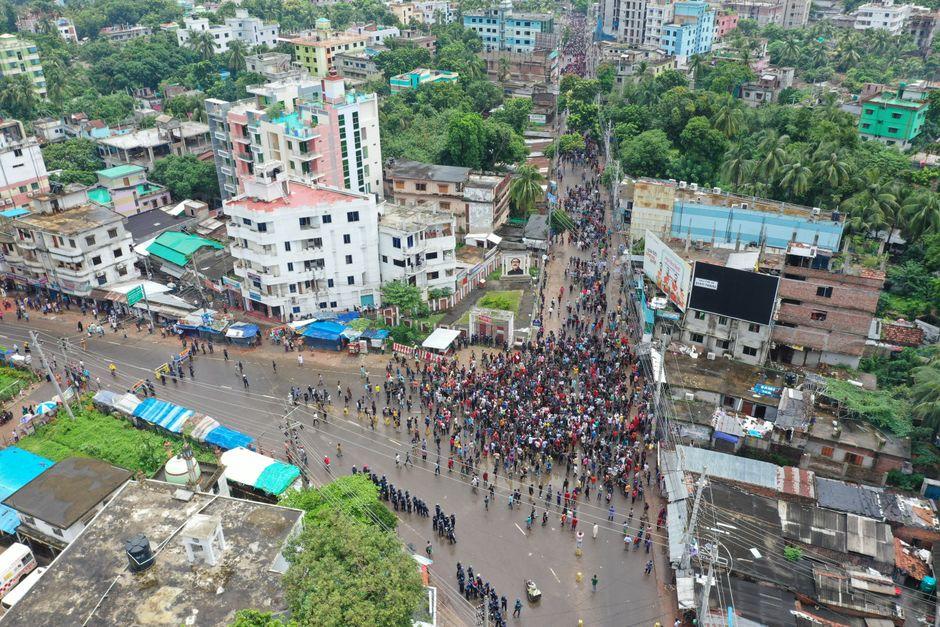
The mechanics of that are worth spelling out, because they surprise people on the first trek. Rooms get cheaper, and sometimes free, the higher the altitude and the more meals eaten in-house, since the lodge makes its margin on the menu rather than the bed. Dal bhat is the reliable order: it is cooked in bulk, it is filling, and refills are often included at no extra charge. Anything carried up by porter or mule — chocolate, soft drinks, beer, bottled water — carries the transport cost in its price, and the same bottle costs noticeably more at 4,000 metres than it did in the valley. The standard workaround is a refillable bottle and purification tablets, which weigh almost nothing and remove that line from the budget entirely.
Laos at $30 a Day
Thirty US dollars per day covered a backpacking trip through Laos. That is the whole day, not one line item. It is less than a tenth of the Tokyo hotel room, and it is a figure worth holding in your head when someone tells you Southeast Asia has gotten expensive.
The pattern repeats. A take-away meal of shareable pasta, meat or Indian food comes to $10. Split between two people, that is $5 each for a full meal. A single traveller eating alone pays the full $10, which is still under the daily Laos budget for food alone. The gap between those two numbers is the gap between travelling with someone and travelling solo, and it has nothing to do with how cheap the country is.
What $30 a day looks like in practice is a fan room rather than air-conditioned, a bus or a slow boat rather than a flight, and street food or market stalls rather than the places with printed menus in English. It also assumes moving slowly. The overnight sleeper buses and the two-day Mekong slow boat between Huay Xai and Luang Prabang are the classic examples: the journey is the accommodation, and the money saved on a night’s bed is real. The trade is time and comfort, and on a long trip that trade is usually worth making. The figure does not stretch to Vang Vieng’s tubing bars or the nicer guesthouses in Luang Prabang, where prices have climbed with the tourist traffic.
Peru and the Four-Week Frame
Four weeks in Peru was budgeted at £1,600. At 1.08 dollars to the pound, that is $1,728, or about $62 per day. That is the budgeted figure, not the spent figure. The actual spending came in at a different number, which is the normal outcome of any four-week plan made in advance.
Sixty-two dollars a day in Peru buys a bed, three meals, transport between towns and some entry fees. It does not buy comfort. The Guatemala comparison makes that clear: a comfortable trip there, with nicer accommodation, restaurant meals and private tours, runs over €110 per person per day. That converts to about $119. The difference between $62 and $119 is not the country. It is the tier.
For the sights everyone else wants too, an early booking is the cheap insurance.
The reason a four-week budget drifts is almost always the same list. Overnight buses are cheaper than daytime ones but cost a night of sleep, and a bad night pushes the next day’s spending up. Altitude slows everything down in Cusco and the Sacred Valley, which means an extra night or two in a town that was not in the plan. Entrance fees to the big sites are fixed and non-negotiable, so there is no saving there, only the choice of whether to go. And the four-week frame itself is the trap: the longer the trip, the more the daily average matters and the easier it is to justify one expensive day by telling yourself it will even out. It rarely does.
The Udawalawe Method
A tour to Udawalawe was negotiated at the guesthouse on the day of arrival. The tour ran the next morning. No advance booking, no online rate, no comparison shopping. The price was settled in person, in the place where the tour actually departs from.
This is not a trick. It is a sequence. Arrive. Ask. Go the next day. The guesthouse has an incentive to fill the seat, and the traveller has the leverage of being physically present and able to walk away. That leverage does not exist on a screen.
The same approach works for the jeep safaris that leave at dawn from the park gates, since the vehicles hold a fixed number of seats and an empty one earns nothing. What it requires is slack in the itinerary. Arriving with a same-day departure already booked removes the leverage entirely, and arriving in the low season helps, because the seats are not scarce. The morning runs tend to be better for sightings than the afternoon ones, so the practical version of this is to arrive early in the day, ask at the desk, and take the first slot the next morning rather than the last one that afternoon.
What the Numbers Say
Solo budget travel is achievable, and the eight strategies that get you there are about being intentional, flexible and resourceful rather than about skipping the things that make a trip worth taking. The numbers above are not aspirational. They are what people actually paid.
A bed in a Kathmandu teahouse is $2 to $4. A rented down jacket is $2 to $4 a day. A shared meal is $5. A day in Laos is $30. A month in Peru is $1,728 budgeted. A comfortable day in Guatemala is $119. A Tokyo hotel room is $309. And the same plane seat can be $18, $55 or $185.
Pick the number you can live with, then build the trip around it. The destination is not the expensive part. The tier is.
Leave a Reply