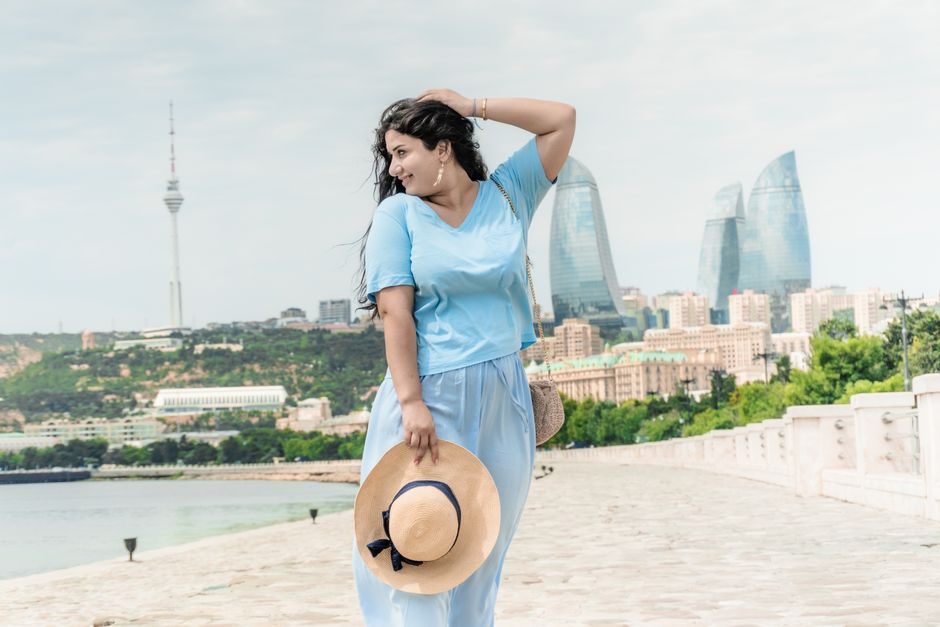
A street-side doner or a qutab from a window counter is $2 to $3. A sit-down lunch in a plain local canteen is $6 to $9. A meal in a restaurant on the boulevard is $18 to $25 before drinks.
Azerbaijan: Prices and Practicalities
The visa costs $25 and takes three days to process. That is the first number most people want, and it sets the tone for the rest of the trip: Azerbaijan is not a cheap country by Caucasus standards, but it is a manageable one if you know where the money goes.
Getting In
The e-visa runs $25 for most nationalities, processed online in about three working days. Land borders are the complication. The overland route from Georgia at the Red Bridge crossing can take two to three hours if you go by shared taxi and mashrutka, and the border officials are thorough. Travellers report being asked for proof of onward travel and hotel bookings. Have them printed or saved offline.
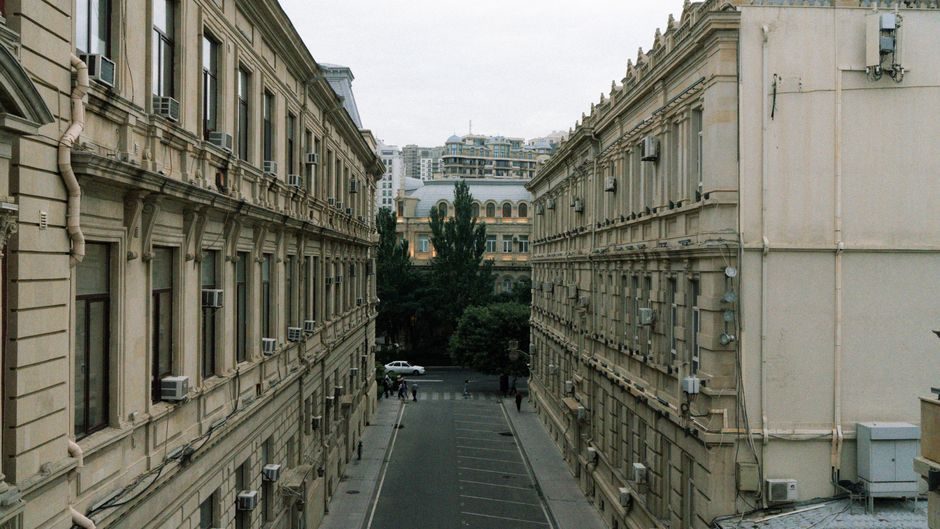
The airport bus into central Baku costs $0.75 and runs every 30 minutes until around 10pm. A taxi from the airport is $18 to $22 depending on your haggling, and the drivers know you have just landed.
Baku Prices
Baku is the expensive part. A dorm bed in the old city runs $12 to $18 a night in the shoulder season and $20 to $25 in summer. A private room in a budget guesthouse is $35 to $50. Hotels that look like they should cost $60 ask $120. The difference between a $12 dorm and a $25 dorm is usually air conditioning and a working kitchen.
Food splits cleanly. A street-side doner or a qutab from a window counter is $2 to $3. A sit-down lunch in a plain local canteen is $6 to $9. A meal in a restaurant on the boulevard is $18 to $25 before drinks. The same meal one street back, away from the Caspian-facing strip, is $10 to $14. The markup for a sea view is roughly double.
The metro is $0.20 a ride with a BakiKart, which itself costs $1.20 and is refundable at the end of your stay. Taxis in the city are $3 to $6 for most trips if you use a metered app; hailing one on the street costs more and requires agreeing the fare first. Museum entry is $2 to $5 for most state museums. The carpet museum is $5. The old city walls and the Maiden Tower exterior cost nothing.
Beyond Baku
The train from Baku to Sheki takes about six hours and costs $4 in second class, $9 in first. The bus is four hours and $5. Sheki itself is cheaper than Baku: a guesthouse room is $20 to $30, a big breakfast is included, and dinner for two with tea is $12 to $16.
The bus from Sheki to Ganja is $4 and takes three hours. Ganja is a working city with almost no tourist infrastructure, which shows in the prices: a bed is $15 to $22, lunch is $5. A taxi across town is $2.
The exclave of Nakhchivan is reachable by a domestic flight from Baku for $50 to $70 each way, or by a long overland route through Iran that most people skip. The flight is the practical option.
The Regions and the Roads
Getting around outside the main cities means marshrutka, the shared minivans. They leave when full. Fares run $1 to $4 for most intercity hops. The road to Quba and the mountain villages is $5 from Baku, three hours. Guesthouses in Quba are $18 to $28. Further up toward Khinaliq, homestays are $15 to $20 including dinner, and there is no public transport to the village itself, so you arrange a car through the homestay for $25 to $35 each way.
Lankaran, in the south, is a five-hour bus ride for $6. A room is $20 to $30. The hot springs and the tea plantations are the draw, and both are cheap: tea and sweets for $3, a shared taxi to the springs for $4.
The Practical Bits
Cash is king outside Baku. ATMs exist in every town but the daily withdrawal limit is often $100 to $150 and the fee is $2 to $3 per transaction. Carry enough manat for two or three days at a time. Cards work in Baku hotels and restaurants but not in most regional guesthouses.
Tap water is not drinkable. A 1.5-litre bottle is $0.40 in a shop and $0.80 in a restaurant. Sim cards are $5 to $10 for a tourist package with a few gigabytes of data; the main operators sell them at the airport and in town for the same price.
The language is Azerbaijani. Russian gets you further than English outside Baku, particularly with anyone over 40. Younger people in the cities often speak English. A translation app downloaded offline is worth the storage.
The tea culture will catch you out on the bill. Tea is served constantly and usually costs $1 to $2, sometimes with sweets or jam included. It is not free, and a long afternoon of tea can quietly add $6 to your day.
Summer is hot in Baku, up to 35°C, and the city empties toward the coast. Spring and autumn are the practical windows. Winter is cold and cheap: dorm prices drop to $10 and the old city is nearly empty.
What It Adds Up To
A careful budget in Baku is $45 to $55 a day: dorm, metro, street food, one paid museum, one cheap sit-down meal. Outside the capital the same style runs $30 to $40. Add $25 for the visa and $18 to $22 for the airport taxi on arrival, and a two-week trip with a mix of cities and villages lands somewhere between $550 and $750 before flights.
The numbers are not the point. The point is that the gap between the $18 taxi and the $0.75 bus is the gap between two versions of the same trip, and the cheap version is the one that gets you to Sheki and Lankaran and the mountain homestays where the prices stay low and the tea keeps coming.
Leave a Reply