What Overlanding Actually Costs
Two numbers sit at the centre of any overland budget. The first is $120 to $350 per person per day, which is the going range for most Africa overland safaris in 2026. That figure moves depending on the route, the accommodation style and what activities are bundled in. The second number is $95. That is what one Africa overland trip averaged out to, per person per day, across 119 days.
The gap between those two numbers is the whole story. A packaged lodge tour and a self-organised overland trip are not the same product, and they do not cost the same. The $95 figure came from 119 days on the road. That is nearly four months of movement, and the daily average held below the bottom of the standard range. Long trips dilute the expensive days. A single park entry or a one-off transfer hurts less when it is spread over a hundred days.
Ground Transport
Long-distance buses run about $7 per 100 kilometres. That is the baseline for overland travel in most of the places where overlanding makes sense. A 600-kilometre leg costs roughly $42. A 1,200-kilometre leg costs roughly $84. In Vietnam, domestic flights between cities run $30 to $80, which is the fastest way to cover long distances without spending much. In Portugal, the Lisbon to Faro route costs $5 to $20. That is a bus covering most of a country for the price of a sandwich in some cities.
Not every leg is cheap. When terrain gets in the way, prices change. A road journey through mountainous ground takes approximately 7 to 9 hours, and you have two options: a private jeep at $100 to $200, or a bus at $10 to $12 per person. The private jeep costs ten to twenty times the bus. If four people split it, the maths shifts. If you are alone, it does not.
River and sea crossings add their own line. Multi-day riverboat journeys range from $50 to $200 depending on distance and boat class. Ferries between Chile and Argentina through Patagonia start around $50 one way.
The Hidden Line Items
Airport transfers and local transport surcharges run $10 to $80 depending on the city and the distance. That is a wide range, and it catches people out. The $80 end is not unusual in a city where the airport sits far from anything useful. Over 119 days, even a modest transfer every few days adds up.
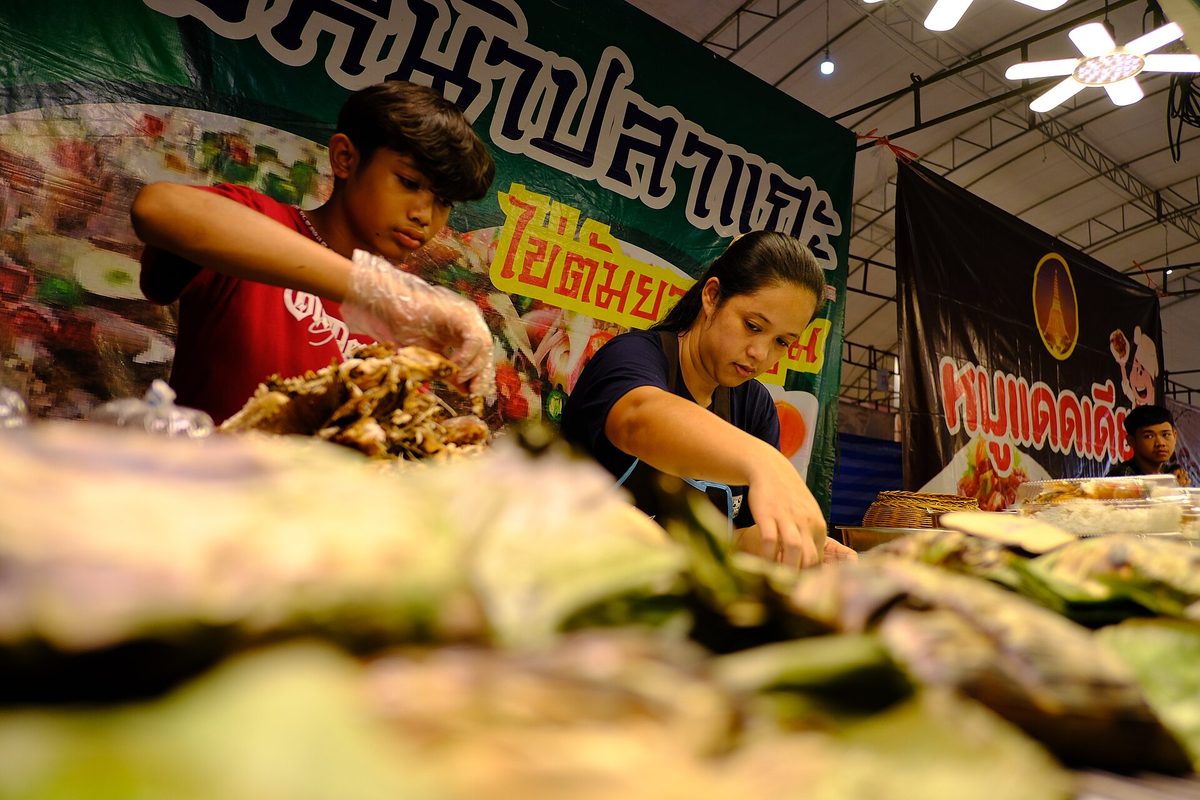
Food is the other variable. Penang’s street food costs $1.50 to $3 a plate. That is a full meal, not a snack. Long-distance buses in the region are comfortable and cheap, and Kuala Lumpur’s upscale hotels go for half of what Western cities charge. Southeast Asia keeps the daily number low in a way that Southern Africa does not.
Two Ways to Run the Same Route
Namibia is a clean example of how the numbers split. Twenty days of road tripping across the country covers accommodation, fuel, camping, food, activities and overlanding costs. Every one of those is a separate decision. Camping instead of lodging. Self-catering instead of restaurants. Driving your own vehicle instead of joining a tour.
A lodge overland tour through the Southern Tanzania highlands to Lake Malawi, Zambia’s South Luangwa, the Zambezi River and Victoria Falls is a packaged product. The price reflects the vehicle, the guide, the lodges and the park fees, all handled for you. The $120 to $350 per day range covers that style of travel.
The $95 per day figure came from the other approach. Same continent. Same kind of distances. Different structure.
What the Numbers Suggest
The per-day cost of overlanding is not a fixed thing. It is a function of how long you go, how you sleep, how you eat and how you move. A 119-day trip averaged $95 per person per day. A packaged safari runs $120 to $350 per person per day. A bus costs $7 per 100 kilometres. A plate of food in Penang costs $1.50 to $3.
The numbers do not tell you which trip to take. They tell you what each one costs. The rest is a decision about what you actually want out of the miles.
Leave a Reply