Some links on this page are affiliate links. If you book or buy through them, we may earn a small commission at no extra cost to you. It never changes what we recommend — every price here is one we would pay ourselves.
The same room, off-season, drops to $2 or $3. Two separate days of surfing at Arugam Bay, in season, came to $10 total.
Shoulder Season Math
A tea-house room in the mountains costs $3 to $5 a night. The same room, off-season, drops to $2 or $3. That is the entire argument for timing a trip, compressed into two numbers.
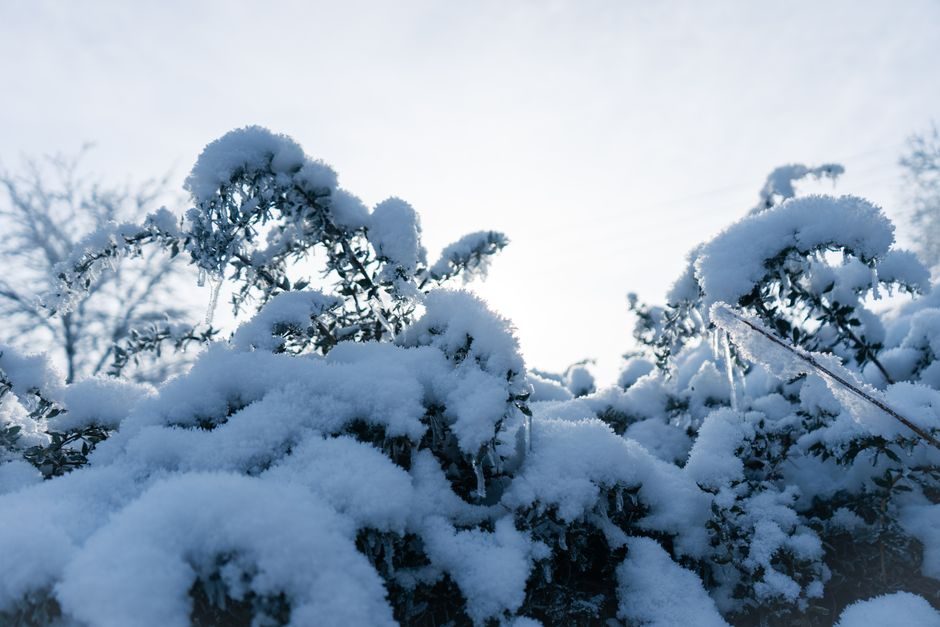
What those numbers hide is the physical cost of the cheap window. A $2 room in a Nepali or Indian hill town in late February is cheap for a reason: the water in the bucket is cold enough to make the decision for you, the guesthouse may be the only one on the ridge still open, and the family running it is often eating dinner at the same table where guests sit. The tea-house price also assumes a shared bathroom down a corridor, no heater, and a blanket that has been in service since the last trekking boom. None of that is a complaint. It is just the trade the price represents.
Peak season runs December through February in Southeast Asia and June through August in Europe. During those windows, expect to pay 20 to 50 percent more than the average year-round price. Low season cuts costs by 20 to 30 percent. Shoulder season sits in the middle and usually wins, because you get decent weather without the surcharge.
The definition of shoulder season is local, not global, and getting it wrong is the most common timing mistake. In Nepal, the sweet spots are October to November and March to April, and the monsoon months in between empty the trails almost entirely. In southern India, the pattern flips: the cheap window is the hot, dry stretch before the rains, when the plains are punishing and the hill stations are pleasant. In Thailand, April is technically hot season rather than shoulder, but the hotel rates behave like low season because everyone has fled. The lesson is to check when locals take their own holidays, because domestic travel is what actually fills rooms and moves prices.
Beach towns and mountain regions swing hardest. A coastal resort in Greece, Croatia or the French Riviera can jump 20 to 40 percent above its shoulder-season rate. Inland cities in the same countries barely move.
There is a second trap inside that swing: the shoulder itself has a cliff edge. Island ferries in Greece thin out to a skeleton timetable in the weeks before the season opens, and some routes stop running altogether rather than simply getting quieter. A guesthouse that looks cheap online in early May may be cheap because the only way onto the island that week is a single afternoon boat. Check sailing and bus schedules before booking the room, not after.
Where the Money Goes
Croatia is the most expensive country in the Balkans. Dubrovnik and Hvar in summer are the worst of it. Budget $65 a day for basic travel, closer to $97 if you want comfort. Converted from euros, that is what the numbers actually work out to. Go in May or September and both figures fall.
The reason Dubrovnik and Hvar bite so hard is that they are small. The old town of Dubrovnik is a walled peninsula with a fixed number of beds inside it, so when two or three cruise ships dock on the same morning the entire inventory is spoken for and the price of what remains goes up on the spot. Hvar has the same problem in miniature. The practical move is to sleep outside the walls, in a suburb or a village a short bus ride away, and treat the postcard part as a day trip. The same logic applies to any compact destination: the price is set by how few rooms exist, not by how good the town is.
Western Europe has its own arithmetic. Set-menu lunches run about $11. A glass of decent wine costs $3. Intercity trains are cheap if you book them as trains and not as last-minute panic. Lisbon and the Algarve have risen sharply in summer, so the interior or the shoulder months make more sense now than they did a few years ago.
The set-menu lunch is the single most reliable money-saver in Western Europe, and the reason is structural rather than generous. Restaurants post a fixed board outside at midday because they want the local office trade, and that board disappears by two in the afternoon. Eat the main meal at lunch and something cold at night and the daily food budget roughly halves without any sacrifice in quality. Trains work the same way: the ticket is cheap when it is sold as a train ticket, and expensive when it is sold as a rescue. Book the long legs the moment the dates are firm.
Krakow keeps coming up as the best-value beautiful city in Europe. Milk-bar lunches cost $3 to $4. Pierogi are everywhere and cheap. Trains to the Tatras are inexpensive, and low-cost flights connect the city to most of the continent.
Milk bars are the leftover canteens of the communist era, and they still operate on that logic: plain rooms, a counter, a tray, and prices set for people who live there. The food is stodgy and good. The ordering system is the only hurdle, since the menu is a list of items rather than a meal, and pointing works fine. The Tatras are close enough for a day trip by train, which makes Krakow one of the few European cities where a mountain hike and a cheap dinner can share the same afternoon.
Japan is a different shape entirely. A single metro or train ticket runs $1 to $5. A long-distance bullet train ticket starts around $100 and climbs. Taxis and car rentals pile on top of that. The cheap version of Japan is a dense city and a rail pass you have already done the math on.
Where the network thins, your own wheels keep the pace up.
Japan also runs on cash in a way that surprises people who assume otherwise. Plenty of small restaurants, shrines and older guesthouses still take notes only, and the convenience-store ATMs are the reliable place to get them. The country is not expensive so much as precise: costs are predictable, tipping does not exist, and the main risk is a rail pass that was bought on enthusiasm rather than arithmetic. Run the numbers against the actual itinerary before committing, because a pass only pays off if the distances are long and frequent.
The Flight Trap
A $5 fare can become $216 once bags, seat assignments and the rest are added. The base price is not the price. Budget carriers are not lying, exactly, but they are not telling you the whole thing either.
The extras are not random. They are the business model, and they are priced so that the cheapest-looking fare on the search page is almost never the cheapest fare at the gate. A cabin bag that fits under the seat is usually free; anything with wheels costs money and gets checked at the gate if it does not fit the sizer. Seats are auto-assigned and then split up, so travelling companions end up paying to sit together. Priority boarding exists mainly to sell overhead space. The fix is boring and effective: read the fare rules before booking, add the bag at the time of purchase rather than at the airport where it costs more, and ignore every optional step the booking flow tries to insert.
Flying can still beat the train. It just requires knowing which extras you actually need and which ones the airline has pre-selected for you.
Flights to Bali land at Ngurah Rai International Airport, the island’s main gateway. Round-trip fares from Malaysia typically run $92 to $346, depending on the airline, how far ahead you book, and the season. Midweek departures tend to be cheaper than weekend ones.
Getting around once you arrive is minivans, ferries, buses, tuk tuks, taxis and trains. Two flights to Thailand ran about $400 total. The leg from Bali to Chiang Mai was the expensive one.
What catches people out on arrival is the airport taxi mafia, which is less sinister than it sounds and more expensive than it should be. There is a fixed-price counter inside the terminal; the touts outside will quote a higher number and act as though it is the only option. Take the counter. The same pattern repeats at ferry piers and bus stations across the region, where the first price quoted is an opening bid and walking a hundred metres usually produces a better one.
Booking Windows
Safaris in Tanzania and Kenya reward planning. Book three to six months ahead and peak-season rates drop 15 to 20 percent, with better lodges still available. Wait and you pay more for less.
The reason the safari window is so wide is that lodges are small and the good guides are scarcer than the beds. A camp with a dozen tents cannot discount late because it does not need to; the season fills regardless. Booking early is less about the rate than about choice, since the difference between a decent guide and a great one is the difference between seeing the animals and understanding them. The migration itself moves with the rains rather than the calendar, so the date matters less than the region chosen for that month.
Sri Lanka can be done for under $600 across just under three weeks, even in high season, if the trip is built around cheap rooms and cheap transport. Two separate days of surfing at Arugam Bay, in season, came to $10 total.
Sri Lanka rewards the same discipline as everywhere else: buses over private cars, guesthouses over hotels, and rice-and-curry plates over tourist menus. The trains are the highlight and cost almost nothing, particularly the hill line through tea country, where the unreserved carriages are the ones with the open doors and the view. Buy the ticket on the day, arrive early, and accept that the seat is a suggestion rather than a guarantee.
The pattern holds everywhere. Book the expensive fixed costs early. Keep the daily costs low. Move your dates a few weeks off the peak and watch the same room, the same seat, the same bed drop by a third.
None of this is hidden. It is just not advertised.
Leave a Reply