Some links on this page are affiliate links. If you book or buy through them, we may earn a small commission at no extra cost to you. It never changes what we recommend — every price here is one we would pay ourselves.
The Annapurna Conservation Area Permit runs $30 per person. A short hike of 30 to 45 minutes can carry an entrance fee of about $2.90, which is the kind of line item you forget until you are standing at the gate.
What the Permits Actually Cost
Two permits matter most in Nepal. The Annapurna Conservation Area Permit runs $30 per person. That is the number you plan around, and it is fixed, not negotiable at the counter. The counter itself is usually a small office in Pokhara or Kathmandu, sometimes a desk inside the Nepal Tourism Board building, sometimes a side room in a trekking agency, and the process is the same everywhere: a form with name, passport number, nationality and intended route, a passport photo if you have one loose, and cash. Bring the passport itself, not a photocopy. The permit is issued on the spot, usually within twenty minutes, and the office hours tend to end mid-afternoon, so arriving at four in the afternoon means coming back the next morning. The checkpoint system on the trail is separate: you show the permit at a few police and ACAP posts along the route, they write the number in a ledger, and nobody stamps anything. Lose the paper and the replacement is a return trip to Pokhara or Kathmandu, which is a day of buses and a lost permit fee.
Other protected areas charge their own fees: the Pampas del Yacuma entrance fee comes to roughly $22 per person at 1 EUR = 1.08 USD, and it is frequently excluded from the quoted price of a tour, which means you pay it on top of whatever you already agreed to. The pattern is common across Latin America and Southeast Asia: the agency quotes the transport, the guide, the meals and the boat, and the national park entrance sits outside all of it because the park collects it directly. Ask before booking whether the park fee is included, and ask in writing if the booking is over WhatsApp. The answer is often a vague “yes, everything,” which turns out to mean everything except the one fee collected at a gate in the middle of nowhere with no ATM. Some smaller climbs are almost free by comparison. A short hike of 30 to 45 minutes can carry an entrance fee of about $2.90, which is the kind of line item you forget until you are standing at the gate. The gate is usually a wooden hut with a hand-painted sign and a person with a receipt book who has no change for a large note, so small bills are worth carrying for exactly this reason.
Visa fees sit in the same category of things people underestimate. The advice that keeps circulating is simple enough: compare the visa application fee against your total funds before you commit to a route, not after. A trekking budget that ignores the paperwork is not a budget. It is a guess.
The Daily Number
Solo trekking averages $20 to $25 per day. That figure covers accommodation, meals, transportation and permits together. Not one of those things. All of them. The spread between $20 and $25 is real, and it usually comes down to how much you drink and how often you pay for a bed instead of taking the free room that comes with a meal.
Food and drink are where the money actually moves. One traveller logged $443.50 across an entire stay on food, alcohol and coffee. That works out to roughly $20 per day. The same trip could have been done at $10 per day. Coffee alone runs $1 to $2 in Vietnam, and fresh fruit smoothies cost about the same. Those small purchases add up faster than the permits do.
The mechanic behind all of this is the dal bhat rule. On most Nepali tea house routes, a lodge will waive the room charge if you eat dinner and breakfast there, which means the bed is effectively paid for in rice and lentils. Two meals run a few dollars, and the room that would have cost five or six is free. Trekkers who eat elsewhere, or who arrive late and eat in the kitchen of a different lodge, end up paying for the bed. The other half of the daily number is water. Bottled water high on the trail costs more the higher you go, partly because it is carried up by porter or mule, and the same money spent on purification tablets treats dozens of litres from taps and streams. Tea house tea is cheap and refills are often free; the tin cup of hot lemon that appears on every menu is the single most common small purchase on the trail. Alcohol is where a tight budget quietly dies. A beer at altitude costs several times what it costs in Kathmandu, and two a night across a two-week trek adds up to more than the permit and the visa combined.
The Line Item Nobody Budgets For
Lukla Airport cancels flights 15 to 20 percent of the time during the monsoon fringe weeks. That is not a rare event. That is one flight in five or six. When it happens, you are not trekking. You are in Kathmandu, paying for a room in Thamel at $20 to $60 per night while you wait.
Budget one or two extra nights. That is $20 to $120 of buffer, depending on where you sleep. This is the most overlooked number in Everest region trekking budgets, and it is not optional. Weather does not check your spreadsheet.
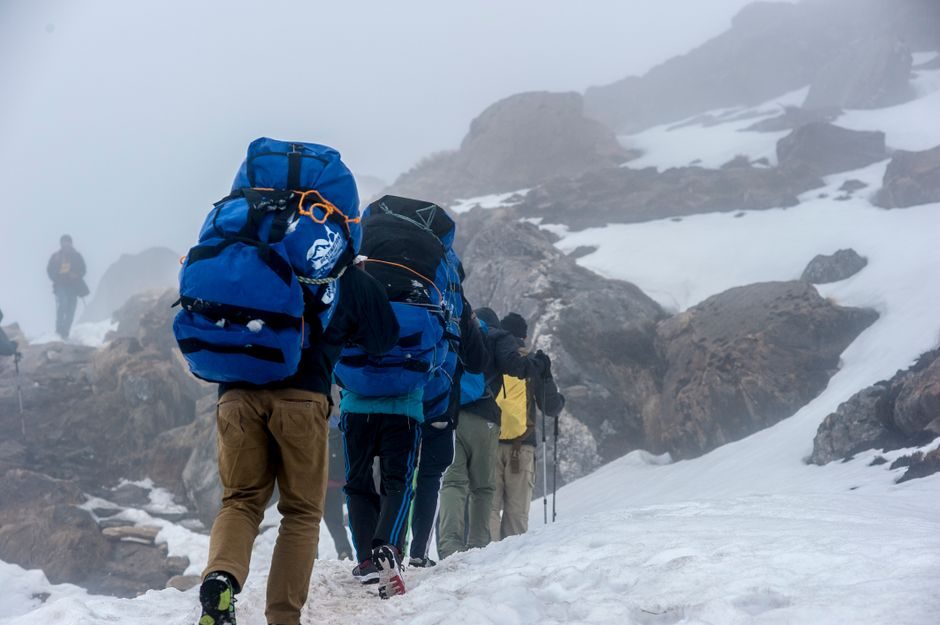
The cancellation mechanics are worth knowing before they happen. Flights out of Lukla leave in the early morning because the valley clouds over by late morning, so a cancelled flight usually means a cancelled day, not a delayed one. The airline rebooks you onto the next available slot, and in a bad week that queue is several days long. The alternative is a helicopter, which costs many times a plane ticket and is sometimes shared between stranded groups, or a walk out to Jiri or Salleri, which adds days of low-altitude trekking but costs nothing but food and time. Trekkers who build the buffer in from the start treat the extra Kathmandu days as part of the trip rather than a disaster, and they are the ones who are not paying peak-season room rates in a city where everyone else is also stuck. Travel insurance that covers trekking delays is worth reading closely, because many policies exclude weather cancellations at mountain airstrips specifically.
When a delay costs you a night, a claim usually outstrips the hotel bill.
Gear and Preparation
Medical supplies before a trek run $30 to $80. That covers a medical kit, water purification tablets, high SPF sunscreen, which matters above treeline, and altitude sickness medication. Diamox requires a physician consult, so factor in that appointment too if you do not already have one scheduled.
The gear question is separate and often inflated. An inflatable pillow weighing 2.8 ounces is a reasonable example of how the small stuff works: light, packs down small, fleecy on the outside, and it holds position on a sleeping pad. Slightly heavier than a stuff sack pillow. Not a category worth overspending on.
Most of the gear on a first trek gets bought in Thamel or Pokhara, where the same shop sells the same jacket at three prices depending on the label. The genuine article costs what it costs anywhere; the copy costs a fraction and will do for one season, sometimes one trip. Sleeping bags rated for the temperature are the one item worth not faking, because a cold night at altitude is not a saving. Boots should be broken in before the flight, not on the trail, and the classic mistake is buying new boots the week before departure. A headlamp, a power bank, and a dry bag for electronics cover most of what goes wrong. Duct tape wrapped around a trekking pole handles repairs that would otherwise end a day early. None of this is exotic; it is the ordinary kit list, and the only budget question is how much of it can be borrowed or bought secondhand in Kathmandu rather than bought new at home.
Where the Money Goes Sideways
Activities are the quiet budget killer. One traveller spent 463 euros, or about $500, on treks to Indonesia’s volcanoes alone. That is not a daily cost. That is a single category swallowing a month of shoestring days. The same pattern shows up anywhere treks are sold as add-ons rather than planned as the main event.
And the daily spend is genuinely flexible. $20 per day is achievable. $10 per day is achievable. The gap is almost entirely coffee, alcohol and paid accommodation. Permits are fixed. Transport is roughly fixed. Everything else is a choice you make three times a day.
The other sideways leak is the impulse add-on: the side trip to a viewpoint, the rafting afternoon, the extra day in a town that was only meant to be a transit stop. Each one is small and each one is sold at a moment when the alternative is a bus seat. Backpackers who track their spending for the first week usually find the leak within days, because the pattern is obvious once it is written down. A notebook, or a note on a phone, costs nothing and catches the problem before it becomes a whole month’s budget. The treks that are planned as the main event, budgeted for in advance, and booked without a commission-taking middleman are the ones that come in near the daily number. The ones bought on a whim at a hostel reception desk are the ones that cost $500.
Leave a Reply