Some links on this page are affiliate links. If you book or buy through them, we may earn a small commission at no extra cost to you. It never changes what we recommend — every price here is one we would pay ourselves.
In Rio, city buses charge about $0.76 and you ride as long as it takes to get where you’re going, one stop or two hours, same price. Local buses inside cities are where the real savings sit, at $0.76 a ride in Rio with no distance limit.
The Overnight Math
A bus ticket from San Pedro de Atacama to Salta runs about $54. From Salta to Iguazu, roughly $99. Add those two and you have crossed a good chunk of South America for $153. The same distances by air, with the connections these routes usually involve, cost more and eat a day anyway.
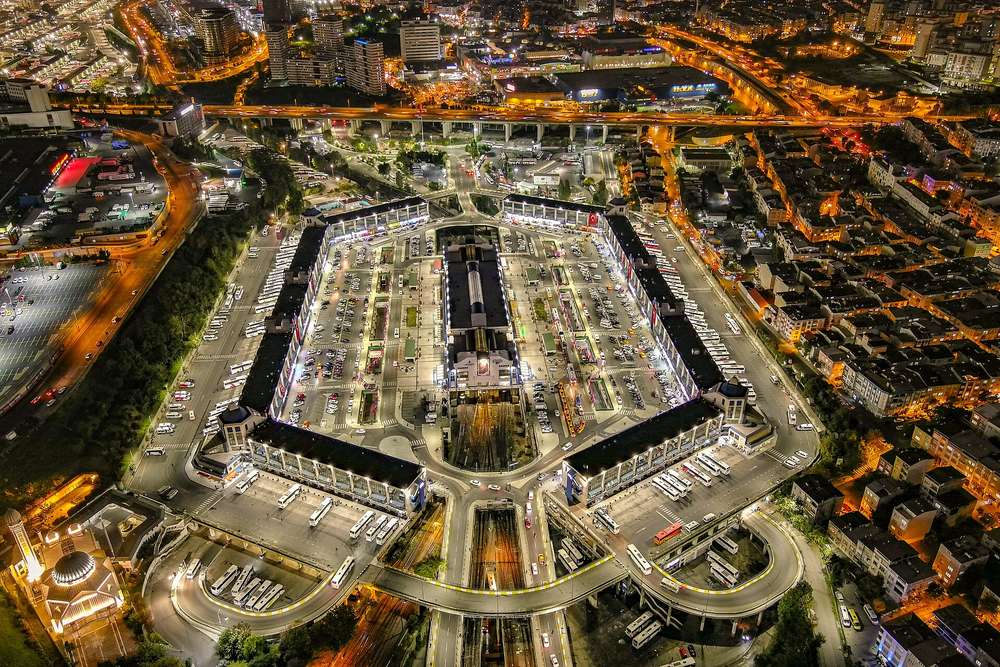
That is the whole argument for overnight ground transport in one pair of numbers. You pay less and you don’t pay for a bed. The first leg leaves from a terminal on the edge of San Pedro in the evening and climbs through the Andes in the dark, crossing the border at Jama in the small hours, when the immigration post is cold and the queue moves one passenger at a time. Nobody sleeps well through that crossing. The second leg runs the other direction, down through the Argentine lowlands toward the waterfalls, and it is long enough that the bus makes a dinner stop and a breakfast stop, both at roadside cafeterias that have exactly one menu. Arrival is in the morning, which is the point: the hours you would have spent unconscious in a hostel bed are spent moving instead. The kilometres covered between midnight and dawn are kilometres the ticket price already paid for, and the room you didn’t book is the room you didn’t pay for.
What the Ticket Actually Costs
Look at the total cost, not just the cheapest fare on the screen. A flight that lands at 10 PM or 11 PM means you need a room that night. Hotel check-in is usually between 1 PM and 3 PM, so a late arrival buys you an extra night just to sleep. That extra night can cancel out everything the cheap ticket saved.
The same logic applies on the ground. In Hanoi, the bus from the airport costs $1. A taxi costs $8. That is an $8 difference, not a rounding error, and it repeats every time you land. In Rio, city buses charge about $0.76 and you ride as long as it takes to get where you’re going, one stop or two hours, same price.
Multiply small gaps like that across a trip and they stop being small. Travellers who work the timing carefully report saving between roughly $278 and $556 on a single long-haul ticket, money that goes toward a better room, a tour, or dinner in Berlin.
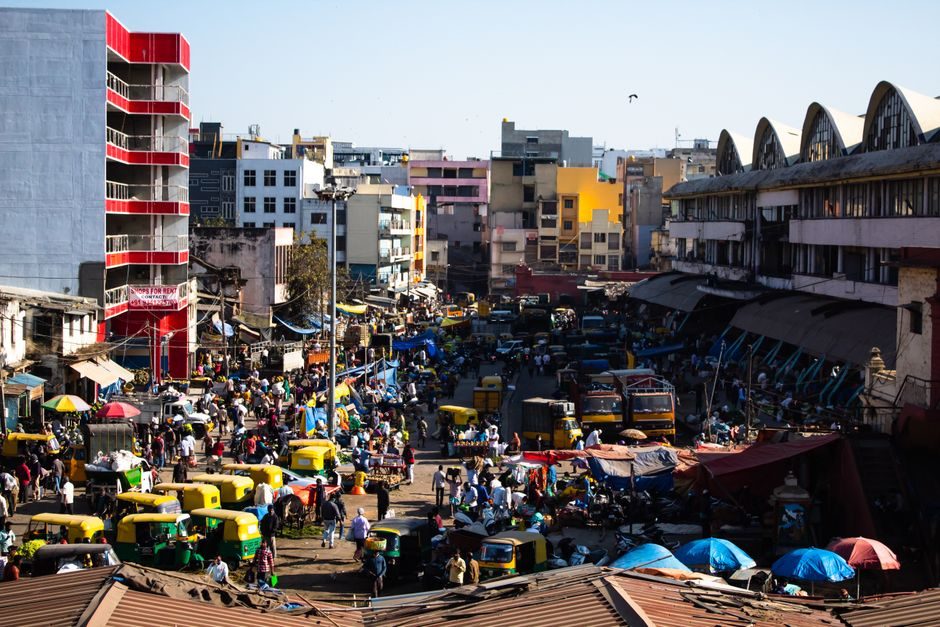
The mechanics of the cheaper option are worth spelling out, because they are where most of the friction lives. In Hanoi the airport bus loads outside the terminal, waits until it is full, and then stops wherever a passenger wants along its route into the old quarter. The taxi rank is right there and the driver will quote a flat price before the meter, which is convenient and roughly eight times the fare. In Rio the buses take a rechargeable card rather than cash, so the first task on landing is finding a kiosk that sells one, and the card itself carries a small issue fee on top of the ride. These are not hidden costs so much as unadvertised ones, and they add up over a trip. The habit that pays is to price the whole door-to-door journey, not the headline fare, and to notice how often the cheap option also happens to be the one that drops closest to where the beds are.
Days of the Week Matter
Tickets departing Monday, Tuesday or Wednesday tend to be cheaper than Friday, Saturday and Sunday. On one route the gap reached about $93 for the same seat. That is not a trick or a hack. It is just demand, and demand has a schedule you can read.
Sunday, Monday and Friday flights also tend to run higher. Flying midweek or on a Saturday is the cheaper habit. None of this requires flexibility you don’t have, only a calendar and the willingness to shift a departure by two days.
The pattern shows up on the ground too, though less sharply. Long-distance buses fill up on Friday afternoons with people heading home for the weekend, and again on Sunday evening with people heading back, and the seats that remain on those departures are the ones nobody wanted, priced accordingly. Booking a Tuesday or Wednesday overnight is quieter, cheaper, and there is a better chance of getting two seats to yourself. The other thing worth knowing is that buying at the terminal window on the day is often the same price as buying online, but it carries the risk of a full bus; the online agencies add a booking fee that can quietly erase the weekday saving if the difference is only a few dollars. Compare the two before committing. And check the departure station, not just the city, because some routes leave from a secondary terminal on the far side of town that costs another local fare to reach.
The Luxury Problem
Bus travel in much of the world is comfortable, sometimes genuinely plush, and on plenty of routes it is the only way to go. Flying is cheap on paper but cumbersome in practice, with three or four stopovers before you arrive. A four-stop itinerary is not a shortcut. It is a full day of airports.
The uncomfortable part is when airfares stop being cheap at all. One traveller who normally flew Condor found the 2023 fares unbookable, even accounting for wanting business class. There is a ceiling on what any of this is worth, and expensive flights hit it fast.
The plush part is real and easy to underestimate. On the better South American long-haul routes the seats recline almost flat, there is a blanket and a pillow, and a steward comes through with a tray of food and a paper cup of something hot. Some buses have a downstairs lounge and a coffee machine. The catch is that the good buses and the cheap buses leave at the same time from the same terminal, and the price gap between them is often only a few dollars. The difference is in the seat class, and the seat class is decided at the moment of booking, so it pays to ask which category a fare buys rather than assuming all seats on the coach are the same. A cama seat and a semi-cama seat on the same bus are not the same night. The one thing that stays constant across classes is the border crossing, which nobody sleeps through and nobody enjoys, and which no amount of legroom makes shorter.
The Other Half of the Trip
Getting there cheaply is only half of it. Local buses inside cities are where the real savings sit, at $0.76 a ride in Rio with no distance limit. Land transport between countries, whether bus, train or ferry, is where the overnight routes do their work.
There is also the option of an introductory bus or boat tour early in a trip. It costs less than a private arrangement and it puts you in a place long enough to understand how the local transport runs before you commit to a long haul on it.
And if you want the romance of it, the Paris-Vienna night train reopened in 2024. You can follow Empress Sisi’s route and sleep through the miles instead of paying for a room at the other end. That is the trade, every time. Cheaper ticket, no hotel night, arrival in the morning. Do the total, not the fare.
The introductory tour is worth taking seriously as a scouting exercise rather than a sightseeing one. A half-day boat or bus trip early in a stay shows how tickets are bought, how stops are announced, whether the driver expects exact change, and how long a short journey actually takes once traffic is counted. Forty minutes on a map is often ninety in practice, and knowing that before booking a connection is the difference between a relaxed transfer and a sprint. The night train itself is the same lesson in miniature: a berth has to be reserved, not just a ticket bought, and the couchettes sell out before the seats do on popular dates. Book the berth, confirm the arrival station, and keep the morning free, because a night train that arrives at six leaves a whole day to use and nowhere to leave a bag until the room opens. That gap is the one flaw in the whole plan, and it is solved the same way everywhere: a left-luggage counter at the station, a cafe that will hold a bag for the price of breakfast, and the willingness to start the day slightly grubby and considerably richer.
For the famous sites, pre-booked entry beats turning up and hoping.
Leave a Reply