
Converted at 1.08, that is $2,160 a month at home. The median cost of backpacker insurance is £170. Pay it for a two-week city break and it is $185 against fourteen days.
The Spread Between Short and Long
Two months in Bali, one traveller reported, and the vaccine requirement was two doses. That was it. Cost-wise, the same traveller put Bali well under most competing destinations. That single report says more about the city-break versus long-stay question than most planning advice does. What it captures is the shape of the trip rather than the destination on the ticket. A city break is a container with a fixed lid on it; a long stay is an open-ended experiment, and the two produce entirely different numbers even when the airport code is identical.
The numbers get more interesting when you put them side by side.
What a Month Actually Costs
Someone living in the Netherlands was spending close to €2,000 a month before leaving. Converted at 1.08, that is $2,160 a month at home. The same money covers four months of long-term backpacking in the right places. That is not a rounding error. That is the entire argument for staying longer. The comparison holds because the fixed costs of existing — rent, utilities, transport, the standing commitments that follow a person around at home — simply stop accruing the moment the flight leaves. What replaces them is a set of costs that scale down rather than up with time.
Food is where the gap widens fastest. Cooking simple meals in a hostel kitchen cuts food costs by up to 50% compared to eating out in tourist districts. Eat local food instead of the food from your own country and the gap widens again. Neither of these is a hardship. They are the reason a long stay can undercut a short one on a per-day basis while still feeling less rushed. The mechanics matter here: a hostel kitchen is usually busiest between six and eight in the evening, and the good pans and the working burners go first. Travellers who shop at the market in the morning and cook in the late afternoon spend less and wait less. The first week is always the expensive week, because nobody knows yet which stall sells the cheap eggs or which side street has the family-run place where a full plate costs a fraction of the seafront version. That knowledge is not bought; it is earned by staying put long enough to walk past the same corner three times.
Insurance is the fixed cost people forget to price in. The median cost of backpacker insurance is £170. At current rates that lands near $185. Pay it once for a long trip and it spreads across months. Pay it for a two-week city break and it is $185 against fourteen days. The per-day figure for the long stay can end up a fraction of the city-break figure for exactly the same policy. What travellers consistently report is that the policy itself is rarely the problem — the problem is buying a second one mid-trip after realising the first excludes the activity they have just booked. Reading the exclusions before departure is free. Doing it from a clinic reception desk is not.
Where the Money Moves
Volatile currencies can shift costs 5–15% within months. That is the single most underrated line item in any long-stay budget. A plan built on today’s exchange rate is a plan built on a number that may not exist by the time you arrive.
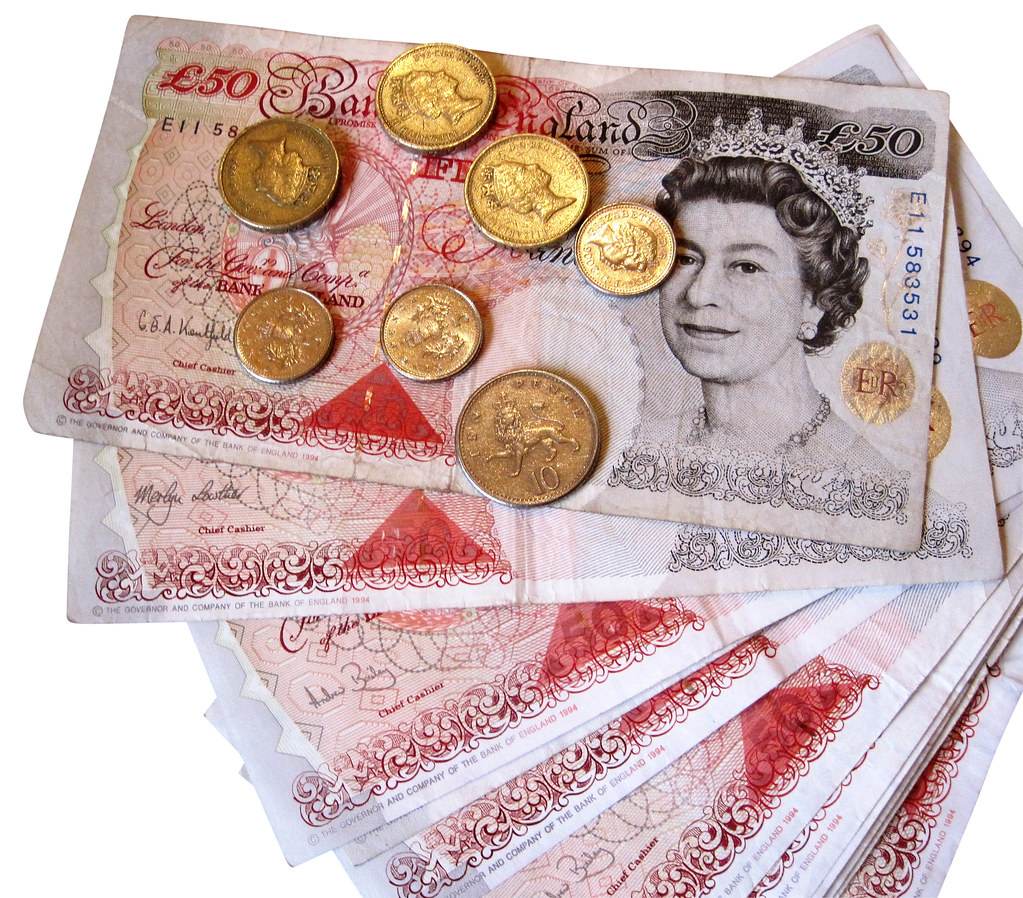
The response is not complicated. Build a buffer. Lock in prepaid rates for long stays so the rate you agreed to is the rate you pay. Track rates for large purchases like tours, because a 10% swing on a $600 tour is $60, and on three tours it is $180. That is a week of hostel beds in most of Southeast Asia.
Prepaid rates are only as good as the terms attached to them. Some properties quote a nightly figure that looks fixed and then add a service charge or a tax at checkout, which quietly undoes the lock-in. The travellers who get this right ask for the total in writing before paying, and they keep the confirmation in a place that works without wifi. Rate-watching also has a rhythm to it: currency movements tend to cluster around central bank announcements and the first days of a month, and a tour booked on a quiet Tuesday is often cheaper than the same tour booked on a Friday after a headline has spooked the market. None of this requires forecasting skill. It requires patience and a note of what the price was last week.
The Safari Question
Safaris are where the mid-range argument is strongest. Mid-range sits around 30% above budget pricing, and for that 30% you get tented camps inside the national parks, traditional beds, and private western bathrooms. Budget safari accommodation is a different product. The 30% is not a splurge. It is the difference between a night’s sleep and a night’s endurance. The budget version usually means a tent pitched outside the park boundary, a shared bathroom block a walk away, and a pre-dawn drive in through the gate before the animals are active. Mid-range means waking up already inside the reserve, with the noise of the bush rather than the noise of the road.
Country choice matters as much as tier. In 2026, mid-range Kenya runs about $350–$600 per day. Tanzania runs $450–$800. Kenya also means shorter travel between parks. Tanzania means larger country and a longer northern-circuit run. If the budget is tight and the parks matter more than the distance, Kenya at the lower end of that range is $350 a day. Tanzania at the top is $800. Same continent, same category, more than double. The gap is not really about animals — it is about road time, park fees, and how far the vehicle has to travel between one camp and the next. A short-stay traveller on a fixed week feels that gap as a lost game drive. A long-stay traveller can absorb it, because there is another morning tomorrow and no flight to catch.
What This Means for Trip Length
A city break concentrates every cost into a short window. Insurance, flights, and the first few days of not knowing where the cheap food is all land at once. A long stay spreads the fixed costs and gives the daily costs time to fall. Hostel kitchens, local food, and prepaid long-stay rates all need weeks to do their work. Two weeks is not enough time for any of them to pay off.
The travellers who report the best numbers are not the ones who found a secret destination. They are the ones who stayed long enough for the arithmetic to change.
Leave a Reply