
Some links on this page are affiliate links. If you book or buy through them, we may earn a small commission at no extra cost to you. It never changes what we recommend — every price here is one we would pay ourselves.
Shared group trips are commonly listed around $1,570 to $1,770 per person. East Timor sits at the expensive end for the region, at roughly $75 to $80 per day on a budget.
What a Retreat Actually Costs
A seven to ten day combined safari in Kenya and Tanzania runs about $350 to $1,000 or more per person per day. Shared group trips are commonly listed around $1,570 to $1,770 per person. That is the top of the market, and it is not a yoga retreat. But it sets the ceiling people imagine when they hear the words “wellness trip,” and it is worth understanding why the number gets that high before deciding what you are actually willing to pay for.
What drives the safari number is the same thing that drives any retreat package: park fees, vehicle and guide time, lodging inside a boundary where no cheaper option is allowed to exist, and a fixed departure date that cannot be moved. A lodge inside a national park has no competition next door, so it charges what the market will bear for the handful of beds it has. Retreat venues in remote places work the same way. The teacher rents the whole property for a week, the property knows it has a captive audience, and the per-person price is set against what a comparable week in Bali or Tulum costs rather than what the village outside the gate costs.
The good news is that the same logic that makes a safari expensive makes a retreat cheap: you are paying for location, duration, and how many other people are splitting the cost. Move the retreat to a country where a day costs less than a sandwich in Zurich, and the math changes completely.
Southeast Asia, Priced by the Day
A daily budget breakdown for every country in Southeast Asia exists, and the numbers are not close to each other. East Timor sits at the expensive end for the region, at roughly $75 to $80 per day on a budget. Everywhere else in the region comes in below that, often well below. That daily figure is the one that matters for a retreat, because most retreats are priced as a package and hide the per-day cost inside a single number. Divide the package price by the nights. If it comes out above the local daily budget by a wide margin, you are paying for the teacher, the venue, or the brand, not the country.
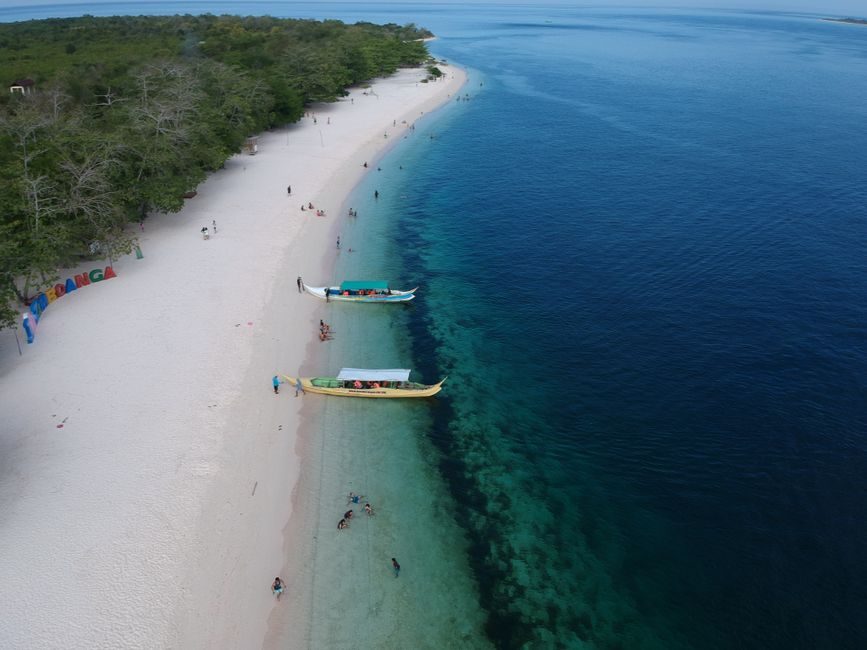
Albania is worth a look for the same reason. It is one of the cheapest international destinations for 2026, with Mediterranean beaches, historic towns, and food, all without Western European prices. A retreat built around a guesthouse on the Albanian coast will not have the same brochure as a Balinese resort. It will also not cost the same.
Slovenia gets described as Switzerland with personality and cheaper wine. That is a fair summary of the trade-off. You get the mountains and the water and the walking, and you pay less for the glass at the end of the day.
The practical move is to price the trip two ways before committing. Take the retreat’s quoted package, then build the same week yourself: a guesthouse room, a local studio’s drop-in classes, a bus or train between towns, three meals a day from wherever the locals eat. In most of Southeast Asia and the Balkans the self-assembled version lands well under the package, sometimes by half. What the package buys is not the room or the food. It is the schedule, the group, and not having to decide anything for a week. That is a real thing to pay for, but it should be a deliberate purchase rather than a number accepted because it arrived in a nice PDF.
Water, Gyms, and the Small Line Items
Bottled water is cheap almost everywhere. A big bottle from a shop, supermarket, or street vendor usually costs less than $1. In very touristy locations it climbs, but it rarely climbs far. This matters more than it sounds like it should. On a ten-day retreat, buying water at the venue instead of the shop down the road can add up to a real number, and the walk to the shop is often the only exercise you needed anyway.
Gym memberships are the opposite story. Even the cheapest ones cost at least $300 a year for two people. A treadmill, some free weights, and walks around the neighborhood cover the same ground for nothing. Or you sit on the couch, watch TV, and eat chips. Both are valid. The point is that a retreat is not the only way to move your body, and if the budget is tight, it should not be the first thing you cut everything else for.
Watch the airport transfer too. It is the line item that quietly doubles in resort areas, because the venue knows a taxi is the only way in and out and prices accordingly. Local buses and shared shuttles usually run the same road for a fraction, though they stop when they are full rather than when you are ready. Ask at the guesthouse desk rather than the retreat office. The desk has no reason to mark it up.
The Long Game
One traveller kept a detailed budget across twelve months, four continents, and more than thirty countries, and spent $33,000 for two people. That works out to roughly $1,375 per person per month, all in. It is a useful anchor. It means a year of slow travel, done carefully, costs less than many people assume, and it means a single two-week retreat priced at $3,000 is competing against a month and a half of moving through the world.
Another traveller mentions one frugal habit that saved over $5,000 across seven years. No detail on what it was, but the shape of it is familiar: a small recurring decision, made consistently, that nobody notices until they add it up. Retreats are the reverse. They are one large decision, made once, that everybody notices immediately.
Namibia on a budget gets written about mostly by people driving their own vehicle across the country. That does not count as a budget trip, and the same caution applies here. A retreat reviewed by someone who flew in, stayed at the venue, ate at the venue, and flew out has told you the price of the venue. Not the price of the country.
If you want to leave the main line, hiring a car is usually the cheapest way.
Reading reviews with that in mind takes a little practice. Look for the ones that mention what the writer did outside the schedule, where they ate off-site, and whether they left the property at all. A review that only describes the food, the room, and the teacher is a review of a hotel with a mat in it. It is not wrong, but it cannot tell anyone what the same week would cost a person willing to walk twenty minutes for dinner.
The Number to Watch
Safari pricing, gym pricing, water pricing, and a twelve-month travel budget all point the same direction. The daily cost of being somewhere is the number that governs everything else. Find that number for the country first. Then look at the retreat. If the retreat is charging five times the local daily rate, you are buying a package, and packages can be assembled yourself for less. If it is charging twice, it might be worth it. If it is charging the same, book it before someone else does.
One note on timing, since it changes the math more than most people expect. Retreats price by season the way airlines do, and the weeks either side of peak are usually the same weather with a smaller number attached. The catch is that shoulder season in a beach or mountain town also means some restaurants and studios shut, and the ones that stay open cut their hours. Booking the quiet week saves money and costs choice. That trade is worth making deliberately, not by accident.
Leave a Reply