Some links on this page are affiliate links. If you book or buy through them, we may earn a small commission at no extra cost to you. It never changes what we recommend — every price here is one we would pay ourselves.
Keeping $500–1,000 set aside in accessible funds is sensible, and it means not falling back on a high-interest credit card in a pinch. A policy covering medical treatment, evacuation and trip cancellation typically runs $30–60 per month as of March 2026.
What the Cash Actually Costs
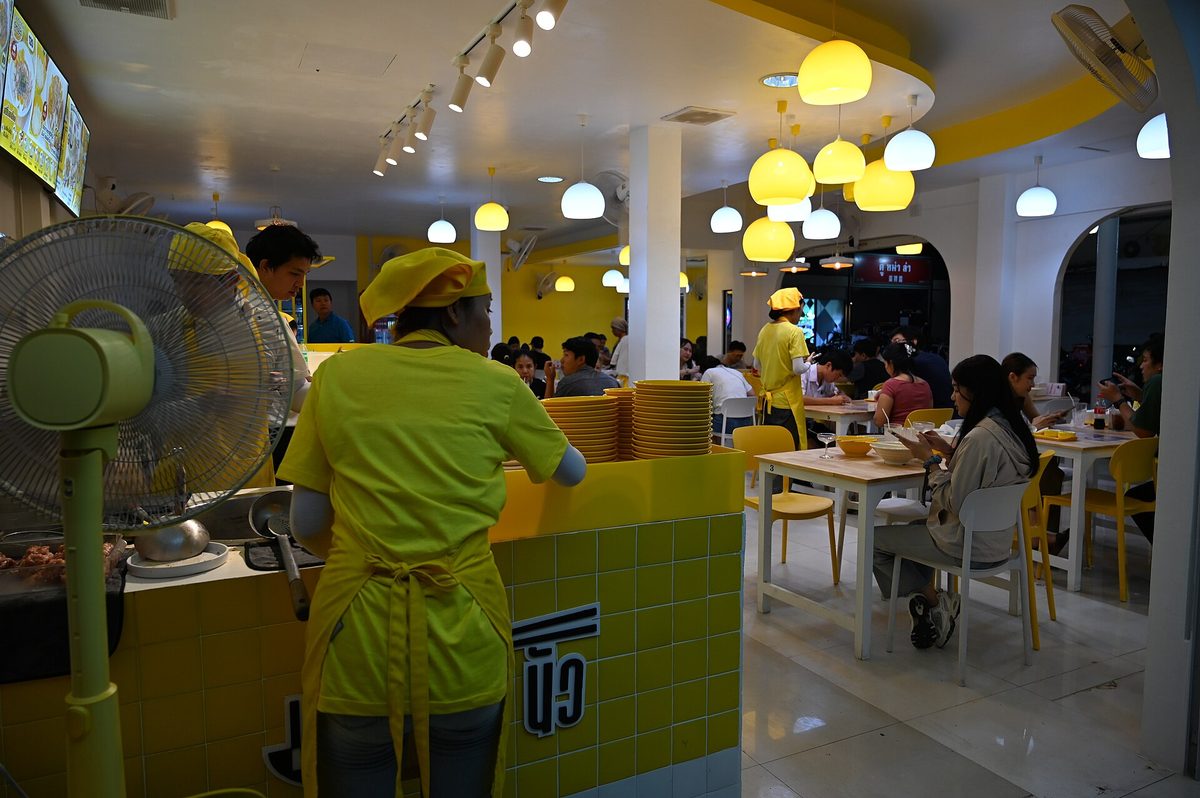
Japan runs on cash more than people expect. Carry ¥30,000–50,000, which is $200–330. That covers the small stuff: the noodle counter, the shrine entry, the bus that doesn’t take cards. The 7-Eleven ATMs are the reliable ones for withdrawing. For everything else, a Wise or Revolut debit card gets the best exchange rate at the places that do accept cards. Those two cards charge no FX fees and no ATM fees, which saves 3-5% on everything you spend. That percentage is the whole game. On a $2,000 month, 4% is $80 you either keep or hand to a bank for the privilege of converting your own money.
The practical shape of a Japanese cash day is smaller than most first-timers imagine. A bowl of ramen at a counter with a ticket machine out front, a temple entry, a coin locker at a train station, a bus fare in a town too small for a IC card reader — none of these want a card, and several of them want coins specifically. Ticket machines at rural bus stops and older vending machines still take ¥100 and ¥500 coins and nothing else, so it pays to break a ¥10,000 note early rather than hoard it. The 7-Eleven ATMs, found inside the convenience stores themselves rather than on the street, accept foreign cards when most Japanese bank ATMs will not, and they operate around the clock. Japan Post ATMs at post offices are the second reliable option, though their hours are shorter and they close on weekends in some branches. The machine will typically cap a single withdrawal well below what a foreign bank allows, so a large withdrawal often means two transactions and two fees if the card charges them. Withdrawing the daily maximum once beats withdrawing small amounts three times.
What usually goes wrong is timing rather than the machine itself. Arriving late at night in a town with one convenience store and discovering the ATM is out of cash is a real scenario after a holiday weekend. So is the reverse: a machine that happily dispenses but whose receipt, needed for a reimbursement claim or a budget log, prints in Japanese only. Keeping a rough count of what has been withdrawn, rather than trusting memory, avoids the unpleasant surprise of a smaller balance than expected three weeks in.
Choose the Local Currency. Always.
When a terminal or an ATM asks whether you want to pay in US dollars instead of the local currency, pick the local currency. The “convenient” conversion adds another 3-7% to each transaction. Same logic with travel credit cards: use ones without a 3% foreign transaction fee, and always select the local currency at a foreign ATM. Two habits, both free, both worth real money over a long trip.
The screen that offers the choice is often worded to make the home-currency option look like the safe one, with phrasing about locking in a rate or avoiding surprises. It is the opposite. The rate shown is set by the merchant’s or ATM operator’s bank, not the interbank rate, and the margin is baked in before the number appears. The same trap appears at card terminals in restaurants and hotels, where the server hands over a tablet with two buttons and stands there waiting. Choosing the local currency and letting the card network do the conversion is almost always cheaper, even though the final amount will not be visible until the statement arrives. On a long trip the difference compounds quietly: a few percent on every meal and every withdrawal adds up to a meaningful sum by the end of a month, and none of it buys anything.
Daily Numbers in Southeast Asia
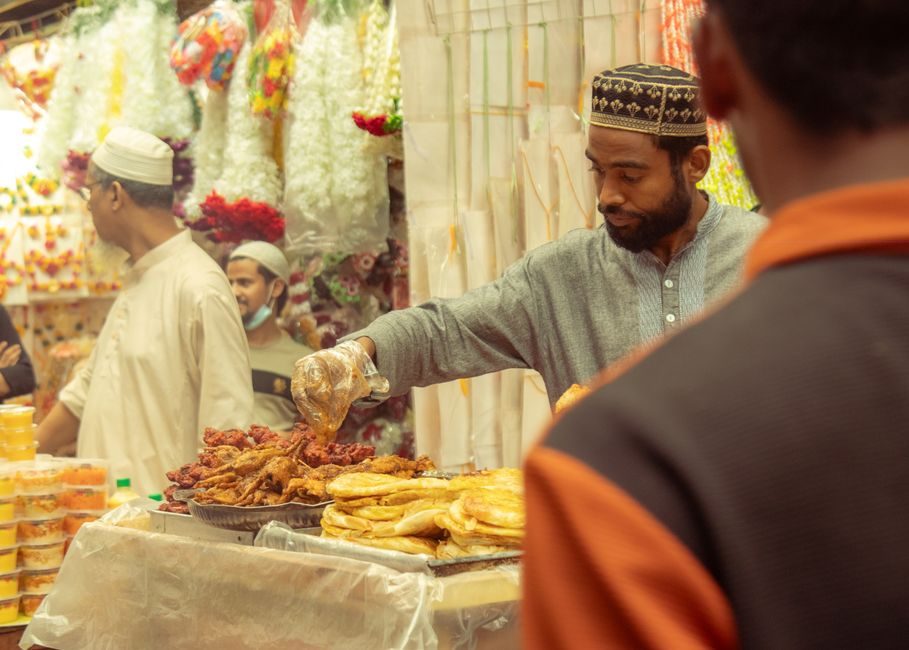
In Bali, budget IDR 200,000–500,000 per day, roughly $12–31, for street food, small shops and transport. Mixing cash, cards and mobile payments keeps the total manageable. Thailand is its own case: take at least $500 in banknotes with you and exchange them there. It’s cheaper than using an ATM. That sounds like a small thing until you’re paying withdrawal fees every three days for a month.
Bali’s cash economy is concentrated in the places a visitor actually spends: the warung with a handwritten menu, the scooter rental arranged by a guesthouse owner, the parking attendant who waves a hand for a small coin. Larger cafes and hotels in the tourist strips take cards, and QR payments through local banking apps are now widespread, but those apps generally require a local bank account, so they are a local habit rather than an option for a short-stay visitor. The exchange houses clustered along the main roads vary wildly in rate and honesty; the ones inside established banks or attached to a reputable money changer with a posted rate and a receipt are the ones to use, and counting the notes twice before leaving the counter is standard practice rather than paranoia.
Thailand rewards the bring-cash approach for a specific reason. The ATM fee for a foreign card is a flat charge per withdrawal regardless of amount, so withdrawing the maximum each time is the only way to make the fee tolerable, and even then it stings. Carrying banknotes in and changing them at a licensed exchange booth in a city — not at an airport counter, where the rate is worse — avoids the per-withdrawal charge entirely. The notes need to be clean, unmarked and recent; a torn or heavily creased bill may be refused outright, and older series can be turned away even when they are perfectly valid currency. Superrich-style exchange offices in Bangkok and Chiang Mai post their rates on a board and process transactions in a couple of minutes, but they want a passport for anything above a modest amount, and they close in the early evening.
When the Machine Won’t Cooperate
Argentina is the cautionary tale. Prices for foreigners have essentially halved since the economy went sideways again, which sounds like good news until you try to get money out of the already tightly limited ATMs. More hassle, not less. A cash buffer matters more in exactly the places where you can least predict the machine working.
The pattern repeats across countries with currency controls or unstable exchange rates: the ATM becomes the least useful tool in the bag at precisely the moment the country becomes cheapest to visit. Withdrawal limits are set low, queues form outside the few machines that accept foreign cards, and the fee per transaction makes each small withdrawal expensive. Locals in these situations often rely on informal exchanges and peer-to-peer transfers rather than the banking system, and the rates they get differ sharply from the official one. Visitors who arrive with a supply of a stable foreign currency, and who change it in small amounts as needed rather than all at once, tend to have an easier time than those who plan to draw everything locally. The general lesson travels: the buffer is not about distrust of any one country, it is about the fact that a working ATM in one city tells you nothing about the machine three towns over.
The Costs Nobody Plans For
The most common unexpected expenses are medical visits, lost or broken gear, and last-minute transport. Those can add $200–500 to a trip fast. Keeping $500–1,000 set aside in accessible funds is sensible, and it means not falling back on a high-interest credit card in a pinch. A policy covering medical treatment, evacuation and trip cancellation typically runs $30–60 per month as of March 2026. Evacuation from a remote area is extremely expensive on its own. Some covered Visa cards will get you to the nearest medical facility for treatment if you’re sick or injured, up to $10,000, when you use that card to purchase travel tickets. That’s a benefit most people never read about.
Wherever entry is timed, an online booking is usually the smoother route.
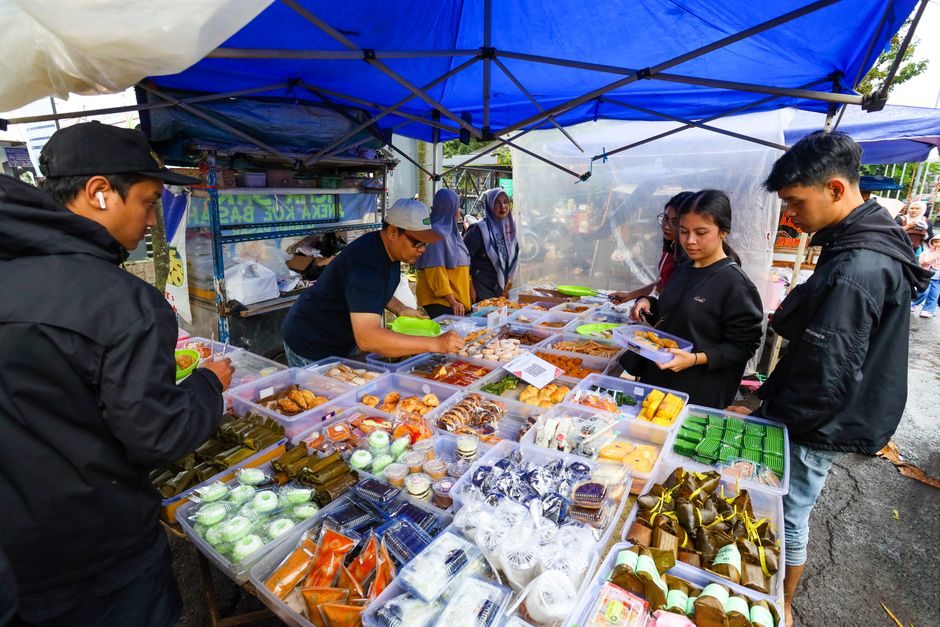
The detail that catches people is what “accessible” means in practice. Money in a savings account back home is not accessible at a rural clinic that takes cash only and has no card machine. A stash of local currency plus a small amount of a widely accepted foreign currency, kept separately from the main wallet, covers the gap between the moment something goes wrong and the moment a card can be used again. Gear failures follow a similar logic: a broken sandal or a dead power bank in a town with one shop means paying whatever that shop charges, and the alternative is a bus ride to the next town and a lost day. Last-minute transport is the third and least glamorous of the three — a missed connection, a cancelled bus, a decision to pay for a faster option late in the day — and it is almost always a cash transaction.
Reading the fine print on a travel card’s medical benefit before leaving is worth an hour. The benefit usually requires the trip to have been purchased with that card, applies only to the cardholder and immediate family, and covers getting to a facility rather than the treatment itself. It is a supplement to a real policy, not a replacement, but it is genuinely useful and almost nobody knows it exists until a claim is needed. The same goes for the evacuation clause in a travel insurance policy: the number to call matters more than the wording, and it should be saved somewhere that does not depend on a phone with a local SIM.
Cheap and Expensive Are Choices
A year-long trip can cost almost nothing or a great deal. There are people who travel extremely frugally and spend barely anything at all, and there are travellers who spend whale-shark levels of cash on a once-in-a-lifetime trip. Both are real. One documented stretch of spending was mostly four-hour spa treatments at $107 each for a birthday. Another traveller’s note is blunter: house and pet sitting in a remote place means being at the home every single day, and garden work can exceed the pet sitting itself. Digital nomads, the note adds, are not available five hours a day, seven days a week. The trade is time and location for money. That trade is the actual budget question, not the ATM fee.
The two ends of the spectrum are not just different budgets, they are different trips. The frugal version moves slowly, stays longer in each place, cooks rather than eats out, and takes on commitments — a housesit, a work exchange, a few weeks in one town — that trade freedom of movement for lower costs. The expensive version buys flexibility: last-minute bookings, private transport, the tour that fits the one free day. Neither is a mistake, and the trap is drifting between them without deciding, paying premium prices for convenience in one week and then trying to claw the money back with a punishingly cheap one. Deciding which mode a given month is in, before it starts, is more useful than any single money-saving trick.
Read the numbers, pick your currency, carry a cushion. The rest is preference.
Leave a Reply