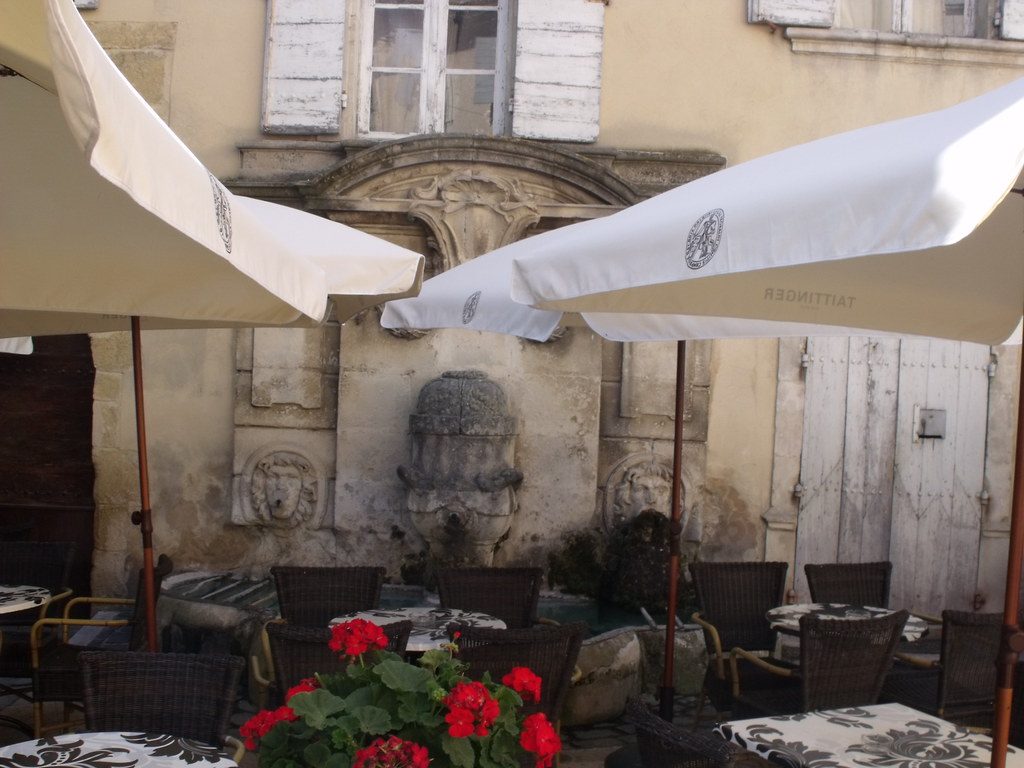
The bill is totted up at the end by counting empties, and it is not unusual for a long evening with food to land under $10 a head. Imported beers such as San Miguel and Corona run an average of $3.50 to $6.
What a Night Out Actually Costs
A large bottle of BeerLao costs about $1. That single figure explains why so many travellers end up staying in Laos longer than planned. It is widely considered one of the best beers in the world, and at roughly a dollar per large bottle, the maths for an evening works out very differently than it does almost anywhere else. The bottles are 640ml, which is closer to two Western servings than one, and they arrive at the table already cold and already open. In Vientiane and Luang Prabang the routine is a riverside table, a plate of grilled Mekong fish or laap, and a tower of bottles that gets cleared away as fast as it appears. Nobody brings a menu with prices on it after the first round. The bill is totted up at the end by counting empties, and it is not unusual for a long evening with food to land under $10 a head. That is the whole mechanism. A night out is cheap enough that it stops being an event and becomes a habit, which is exactly how a two-week stop turns into two months.
Compare that to Indonesia. Imported beers such as San Miguel and Corona run an average of $3.50 to $6. The local alternative, Bintang, is slightly cheaper than the imports. Not dramatically cheaper. Slightly. If you are drinking imported beer in Indonesia you are paying a premium for a label you already know, when the domestic option sits right next to it on the same menu. The gap is widest in the tourist strips of Kuta, Seminyak and Canggu, where a beachfront table carries its own markup and the same bottle costs noticeably less two streets inland. In Jakarta and Surabaya the picture flips: alcohol is taxed heavily, licensed venues are fewer, and a beer in a hotel bar can cost more than a full meal at a street warung. The practical move in Bali is to walk one block off the main drag and check the price board before sitting down. Many places print the beer price on a chalkboard out front precisely because competition is fierce, and the difference between the first table you see and the fifth is often a third of the price. Note also that drinking in the street is frowned upon in much of Indonesia and outright restricted in some regencies, so the cheap option is a shop-bought bottle drunk on a guesthouse balcony rather than a park bench.
In Armenia the numbers drop again. Wine costs around $2, guesthouses around $20, and Americans get 180 days visa-free. Yerevan has a cafe culture, ancient monasteries within reach, and some of the world’s oldest winemaking. At Caucasus prices, a bottle of wine costs less than a coffee in most Western capitals. It pairs naturally with Georgia if you are routing through the region. The drinking culture itself is worth knowing before arrival. Meals in Armenia tend to come with a table of small glasses and a bottle that gets refilled without anyone asking, and toasts are made standing, in sequence, usually led by the oldest person present. Refusing a toast is read as a comment on the host rather than a preference about alcohol, and a raised glass is expected to be drained rather than sipped. The wine to look for is the local Areni, poured from unlabelled bottles in village restaurants and often cheaper by the jug than by the glass. Yerevan’s cafe terraces fill late and stay full; the city does not really start until after dark, and the walk between the Opera and Republic Square is where most evenings end up.
Wine in Portugal
If you are drinking in Portugal, drink wine. This is not a stylistic preference. It is arithmetic. Restaurants serve excellent wine at $10 to $15 a bottle. That price is low enough that there is no reason to investigate what the spirits cost. One traveller put it plainly: they never found out what other drinks cost, because at $10 a bottle there was no need to look further. The house wine, listed as vinho da casa or a named region like Douro or Alentejo, is usually the best value on the list and arrives in a carafe or an unmarked bottle. Ordering by the glass is where the value disappears: a single glass can run a third of the price of the whole bottle. The other local habit worth copying is the pre-dinner stop. In Lisbon and Porto, people gather standing outside a tasca with a small glass of wine and a plate of petiscos before going on to eat, which keeps the evening long and the total spend low. Port, by contrast, is served in small measures and priced accordingly, so a tasting flight in a Vila Nova de Gaia cellar is an afternoon activity rather than a cheap night out.
A packaged tour of Portugal and Spain runs about $200 per day, with stays at hotels in Lisbon and Porto, port wine tastings, a Douro River cruise, and guided tours including Lisbon’s Belem Tower. That is a different kind of trip. For $200 a day you are not counting beer bottles. You are paying for someone else to count them for you. The trade is real and worth naming: the tour removes the small decisions, the wrong turns, the hour spent finding a restaurant that is still open, and in exchange it removes the cheap nights entirely. Independent travel in the same two countries, staying in guesthouses and eating where the menu is handwritten, lands at a fraction of that figure, and the Douro valley can be reached by train from Porto for the price of a coffee and a pastry. The tour is not the wrong choice. It is simply a different budget tier, and mixing the two in one trip is where people get caught out, because a week of tour prices makes the following week of guesthouse prices feel like the trip has gone wrong.
The Daily Beer Budget
If you like a beer in the evenings, budget an extra $10 per day. That is the working figure. It covers a few drinks in most of the places where budget travel makes sense, and it should sit separately from your food and accommodation line, because it is the first thing that quietly disappears when you stop tracking. The reason it disappears is structural rather than moral. Food and beds are booked in advance or paid in obvious chunks, so they show up in the bank statement as recognisable events. Drinks are paid in cash, in small amounts, often several times an evening, and cash leaves no trail. By the time the wallet is empty there is nothing to reconstruct. The fix is to withdraw a fixed amount of local currency for the week and treat that as the entire social budget, rather than dipping into the card whenever the cash runs out. When the notes are gone, the evening is over, and the decision is made by the wallet rather than by willpower at midnight.
Barcelona in high season runs $19 to $44 per night for accommodation. That is before you have had anything to drink. The low end and the high end of that range are more than double apart, and the difference is not quality. It is timing. Book the same room in the same city in a different month and you are paying a different price for the same bed. The same logic applies to the night itself. In Barcelona, dinner starts late, often after nine, and the bars do not fill until midnight, which means an evening out stretches across more hours and more rounds than the same evening in a city that shuts down at eleven. Drinking at home first, which is what a lot of locals actually do, is not stinginess; it is the standard pattern, and it is why the supermarket wine aisle is busy at eight in the evening.

Small Money, Fast
Those £2 beers, £3 tuk-tuk rides and £5 souvenir T-shirts add up with frightening speed. Individually none of them matter. Collectively they are the entire budget. A simple budgeting app on your phone does the job, or a basic spreadsheet. The point is not the tool. The point is that the money leaves in small amounts, and small amounts are the hardest to remember. The three categories that do the damage are transport, drinks and snacks, and they have a habit of arriving together: a tuk-tuk to a bar, a round of drinks, a late-night bag of something fried on the way home. None of those three decisions feels like a decision. String four of them together across a week and the daily average has moved by more than the cost of a dorm bed. Writing the number down at the end of each day, even roughly, on a note in your phone, is enough to catch the drift before it becomes a problem.
Grocery stops are where this cuts the other way. Nuts, a bag of chips, a chocolate bar — never more than $1 in a convenience store. Set lunches in cities run $2.70 to $4.80 per person. The best bargain one traveller found was in Ica: $10 for a vegetarian set lunch for four people. That is $2.50 each for a full meal, which is less than a single imported beer in Indonesia. The set lunch, or menu del día, is the single most reliable budget tool in most of Latin America and southern Europe. It runs at a fixed price, usually includes a soup or starter, a main and sometimes a drink, and it is served only in the middle of the day. Eat the big meal at lunchtime and the evening only needs something small, which is both cheaper and closer to how the place actually eats.
Peru’s cities sit at the cheap end. Indonesia’s imported beer sits at the expensive end. Laos sits at a dollar a bottle and people stay for months. None of these places are interchangeable, and the drink prices are not the reason to go to any of them. But they are the reason some travellers stay longer than they meant to, and the reason others run out of money in the third week. The difference between those two travellers is rarely income. It is whether anyone was keeping count.
One Thing That Isn’t About Money
A misunderstanding at a border cost Lucas Sielaff 16 days in detention and then deportation, at his own expense. The question that caused it was misread. Nothing about that story involves drink prices or bar tabs, and it is worth keeping in mind when the trip is going well and the beer is cheap. Border officials are not bartenders. They do not care how good your evening was. The specific hazard is the state you arrive in. Land crossings after a long bus, a late night and no sleep are where answers come out garbled, where the wrong form gets filled in, and where a joke lands badly in a language you do not speak. Turning up at a land border early in the morning, sober, with the onward ticket and the address of the first night’s accommodation already written down, costs nothing and removes most of the risk. The passport stamp is the one part of the trip where being relaxed about details has real consequences, and the cheapest beer in the world is not worth testing it.
Leave a Reply