Some links on this page are affiliate links. If you book or buy through them, we may earn a small commission at no extra cost to you. It never changes what we recommend — every price here is one we would pay ourselves.
If you’re the kind of traveller counting petrol at $1.60 a litre and weighing a $30 walking tour against a $150 private guide, then the SIM question deserves the same attention.
The SIM Question
A 14-day trip through Mexico City, Oaxaca, Mérida and Tulum. That’s the kind of itinerary where connectivity stops being a luxury and starts being logistics. Bus schedules change. Hostels move. You need to tell someone where you are. Between the four cities there are roughly 1,500 kilometres of road, a couple of internal flights if the budget allows, and at least one overnight bus where the Wi-Fi is advertised but does not work. The phone is not for scrolling. It is for confirming that the 7am ADO departure from Oaxaca still exists, and for finding the hostel door in Mérida when the taxi drops you two streets off.
So the question is simple. Do you buy an eSIM before you fly, or do you sort out a local SIM when you land?
What the Numbers Look Like
The honest answer is that the price gap is real, and it’s bigger than most people expect. An eSIM for a two-week trip is convenient. You pay before you go, you activate on landing, you never queue. That convenience has a price, and the price varies wildly depending on where you’re going. The same nominal data allowance can cost three or four times as much in one country as another, because eSIM providers are reselling wholesale capacity and the wholesale rates are not published anywhere a traveller can see.
On a short trip, an eSIM is usually better value than a local SIM.
A local SIM is almost always cheaper per gigabyte. The trade-off is time. You land, you find a shop, you show ID, you wait. In some countries that takes twenty minutes. In others it takes an afternoon. Mexico is generally on the fast side: a Telcel or AT&T México kiosk inside the terminal, passport handed over, a form filled in, and the SIM activated on the spot. The queue is the variable. If two international arrivals land within twenty minutes of each other, the queue doubles and the twenty-minute job becomes fifty. Vietnam and Thailand are similarly quick. Parts of South America and much of Europe are slower, because registration rules mean the clerk has to enter passport details into a system that sometimes rejects them and has to be tried again.
The other thing nobody mentions is that a local SIM ties the phone to a local number, which is genuinely useful for restaurant reservations, tour operators and the occasional hostel that calls rather than messages. An eSIM usually leaves the home number active for calls, which is useful in a different way. Neither is strictly better. They solve different problems.
Where Your Money Actually Goes
It helps to see the SIM cost against everything else you’re spending, because that’s the only way to judge whether the saving matters.
Look at accommodation. An Airbnb apartment runs 75 to 150 EUR per night, which is $81 to $162. In popular cities, double that. A hostel bed for two people might come in around $51.70 per night, which buys you a separate room and enough space to take a call without sitting on the end of the bed. That last detail matters more than it sounds. A private room in a hostel is usually a converted double at the end of a corridor, with a shared bathroom down the hall and a door that does not quite block the noise from the courtyard. It is not luxurious. It is quiet enough to hear a call centre hold message, which is the whole point.
Look at the big-ticket items. A budget trek to Everest Base Camp costs $1,200 to $1,700 per person for a group of two, covering the Lukla flight, permits, guide and teahouse accommodation. Comfort-level versions of the same trip run $2,000 to $3,200. The round-trip Lukla flight alone is $360 to $420. Luxury travel costs normally begin at $2,000 and can exceed $5,000 once private tours, premium cruises, high-end beachfront resorts and last-minute domestic flights get added in. These are the figures that decide whether a trip happens at all. The SIM is not.
Against those numbers, the difference between an eSIM and a local SIM is small. That doesn’t mean it’s nothing. It means you should think about what you’re actually buying.
Tours, Petrol and Small Change
Tours are the clearest example of the same principle. Free walking tours are tip-based and available in most major cities. Small-group specialty tours, food tours, wine tastings, private guide days, typically range from $30 to $150 or more depending on length and exclusivity. You pay for structure and context. The information is free; the organisation isn’t. A free walking tour in Mexico City’s centro histórico runs two to three hours, ends near the Zócalo, and the guide works for tips that usually land somewhere between the price of a coffee and the price of a meal. A private guide day at the top of that range buys a car, a driver, and the ability to change the plan halfway through when it starts raining.
If you’re driving around Armenia, petrol averages about 580 AMD per litre, which is $1.60, and diesel is 660 AMD, or $1.81. Filling a small hatchback from empty is therefore a meaningful line item, and it is the kind of cost that makes a driver think twice about a detour. Petrol stations outside Yerevan are plentiful on the main roads and thin on the mountain ones, so the practical rule is to fill up when the tank passes half rather than when the light comes on.
Small purchases add up too. In Portugal, a bottle of piri piri sauce costs 2 to 3 EUR, so $2.16 to $3.24, and a 40 ml mini bottle of ginja liqueur is the same. These are the cheapest souvenirs you’ll find, and they’re the kind of thing you buy with the change left over from a SIM card. They also weigh almost nothing, which matters if the trip continues by budget airline with a cabin bag limit that gets checked at the gate.
The Decision
Here’s the thing about eSIM versus local SIM. The eSIM wins on arrival day, when you’re tired and the airport shop is closed and you just want to message home. The local SIM wins on cost, every time, and it usually wins by enough to cover a meal.
Neither choice ruins a trip. A $51.70 hostel night and a $150 food tour are the expenses that shape your budget. The SIM is a rounding error next to them.
But rounding errors are what a budget is made of. If you’re the kind of traveller counting petrol at $1.60 a litre and weighing a $30 walking tour against a $150 private guide, then the SIM question deserves the same attention. Check the local rate before you fly. Compare it to the eSIM price. Pick the one that costs less for the data you’ll actually use.
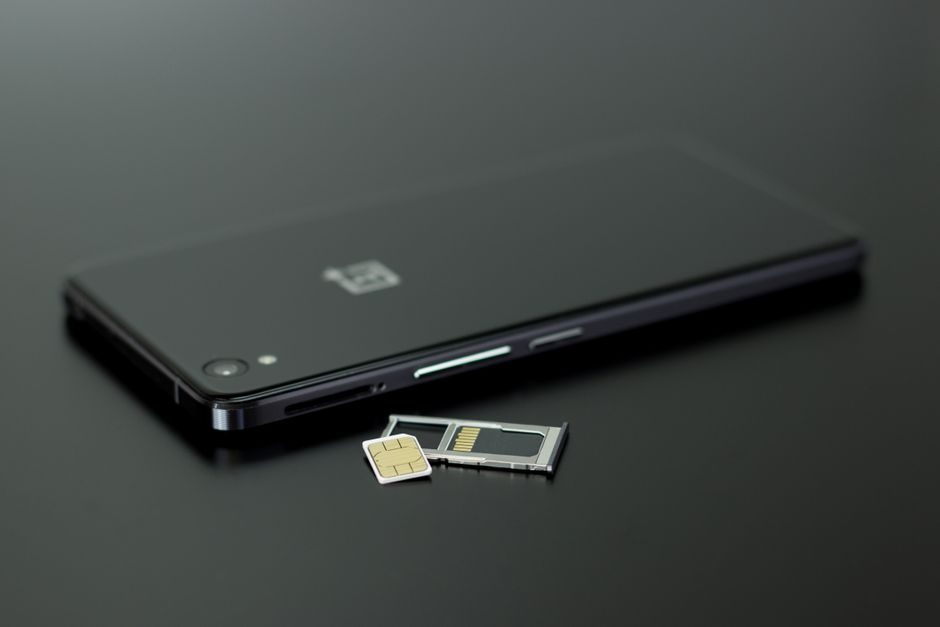
A few practical notes that save trouble either way. Buy the eSIM before leaving home, not in the departure lounge, because activation sometimes needs a network the airport Wi-Fi will not provide. If going the local route, bring the passport you booked the flight with, since the shop registers the number against it and a mismatched document stalls the process. Keep the physical SIM somewhere it will not be lost, because swapping back at the end of the trip is easier than explaining to a carrier why the original is gone. And check whether the phone is carrier-unlocked before either plan is worth buying. A locked handset makes the whole comparison academic.
The rest of the trip is where the real money goes.
Leave a Reply