Some links on this page are affiliate links. If you book or buy through them, we may earn a small commission at no extra cost to you. It never changes what we recommend — every price here is one we would pay ourselves.
Mid-range hotels in some markets start at $150 to $300 or more per night, and luxury properties go well beyond that.
What Things Actually Cost
A meal in Kandy costs less than $2 if you eat where locals eat. That is the whole premise of this piece. Two days in Nuwara Eliya came to $10 total, spent at small establishments and on fruit from the market. Not $10 a day. $10 across two days.
That number is not a typo and it is not a stunt. It is what happens when you stop treating every meal as an event and start treating it as fuel. The math gets easier the further you get from a hotel restaurant. Street tacos run $0.50 to $1. Market meals run $3 to $5. Restaurant meals run $8 to $15. A full day of eating in that range lands between $8 and $18, depending on how many of those meals you take from a stall versus a table with a waiter.
What the numbers hide is the labour involved. The cheap meal is usually cheap because someone is turning a wok over a single burner on a pavement, plating six identical plates in the time it takes to read this paragraph. The stall has three things on offer and they are all good, because the cook has been making the same three things for twenty years. Menus shrink as prices drop. A place with forty items is a place with a freezer. A place with four is a place with a market run that morning.
Timing matters more than most people expect. Street stalls in Kandy and similar towns fill up hard between roughly noon and one, then go quiet, then fill again after dark. Turn up at three in the afternoon and half of them are shuttered, which is how travellers end up paying restaurant prices by accident. Eat when the locals eat or eat badly. The same pattern holds in Nuwara Eliya, where the market is busiest before nine in the morning and the vegetable sellers are packing up by early afternoon.
Set lunches do the same work in other countries. The “almuerzo” format, soup plus a main plus a juice, is why eating out two or three times a week does not wreck a budget. Local markets keep fruit and vegetables cheap everywhere. That is the pattern. Markets are cheapest. Street food is next. Restaurants are last.
The set lunch deserves more attention than it gets, because it is the single most reliable budget tool outside Asia. It exists in Spain, in Guatemala, in Peru, in the Philippines under a different name, and it exists for the same reason everywhere: the kitchen has already bought the ingredients and needs to move them before they turn. Go early in the service window and the portions are generous. Go in the last twenty minutes and the soup is whatever is left. Ask what the day’s plate is rather than ordering off the menu, because the day’s plate is what the cook actually wants to make, and it is almost always the cheapest line on the board.
Drinks And Small Change
A soft drink from a supermarket costs $0.50. That is the floor for anything you drink that comes in a bottle. It is also the number that tells you whether a place is going to be affordable across a whole week, because drink prices scale with everything else.
Cash still runs most local stalls. In Thailand the QR codes are nearly universal now, and a compatible international wallet or a local bank app will get you paid at a small cart without hunting for an ATM. High-end tourist markets take credit cards, usually with a 3% surcharge. Three percent on a $4 plate of food is not worth the argument. Carry small notes.
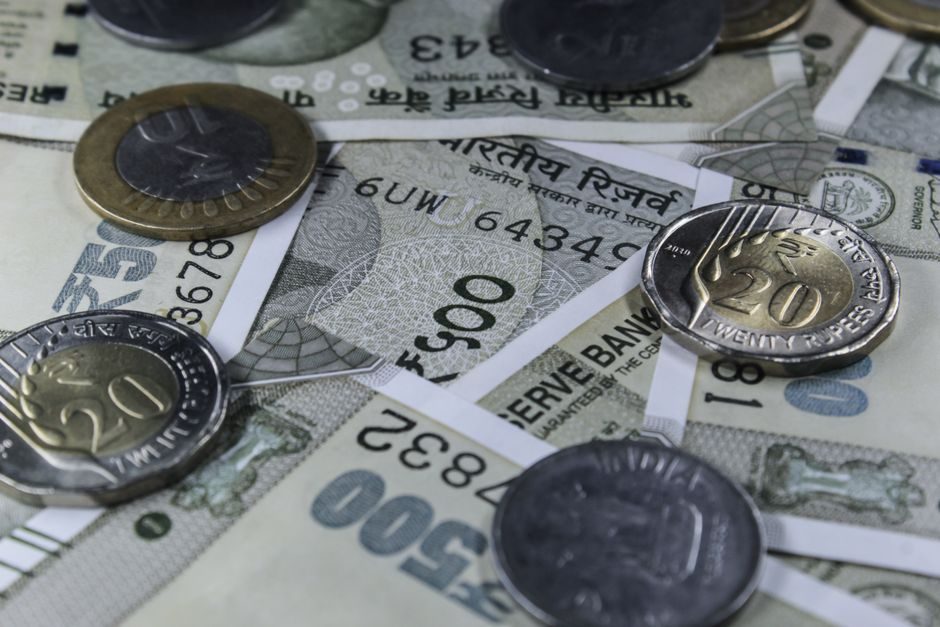
Small notes are a logistics problem, not a philosophical one. The first purchase of the day is usually about breaking a larger bill, and the vendor who takes it will hand back a stack of worn notes that then have to be spent before they disintegrate. Keep the torn ones at the front of the wallet and use them first, because a note with a missing corner will be refused by a bank and sometimes by a stall. Coins are worse. Many places round to the nearest convenient amount and simply do not give change under a certain threshold, so a drink that costs a little over the round number effectively costs the round number.
Water is the other quiet line item. Bottled water is cheap at a supermarket and marked up at anything with a view, and the price gap between the two is often larger than the gap on food. Buying a large bottle in the morning and refilling a smaller one through the day is the standard move, and it is also the reason so many long-term travellers carry an empty bottle in a day bag.
Tour Meals And The Gaps
Some tours exclude meals. That is not a flaw. It is the part of the day where you eat from a market or a local restaurant instead of a hotel buffet, and it is where the money stays in your pocket.
For a light lunch, a sandwich, fruit, a snack and a cold drink comes in under $12. Dinner is a different animal. A starter, a dessert, a main and two drinks averages $30 to $40. That is the spread you are working with. One meal under $12, one meal that can hit $40 if you let it. Most days, you should not let it.
The tour lunch gap is also the point where group pressure does the most damage. A guide who has a preferred restaurant is not necessarily corrupt, but the arrangement is rarely neutral, and the group tends to follow whoever walks first. Walking two streets further in any direction from a tour stop usually drops the price by half and improves the food, simply because the rent is lower and the customers are not captive. Say where to meet and go, rather than eating what the group eats.
Dinner is where a day’s budget is decided, and it is decided before anyone sits down. Looking at a menu posted outside costs nothing. Sitting down and then looking costs the price of whatever is on the table. The rule that holds almost everywhere is that the restaurant with a menu in four languages and photographs of the food is charging for the photographs.
Souvenirs And What To Bring
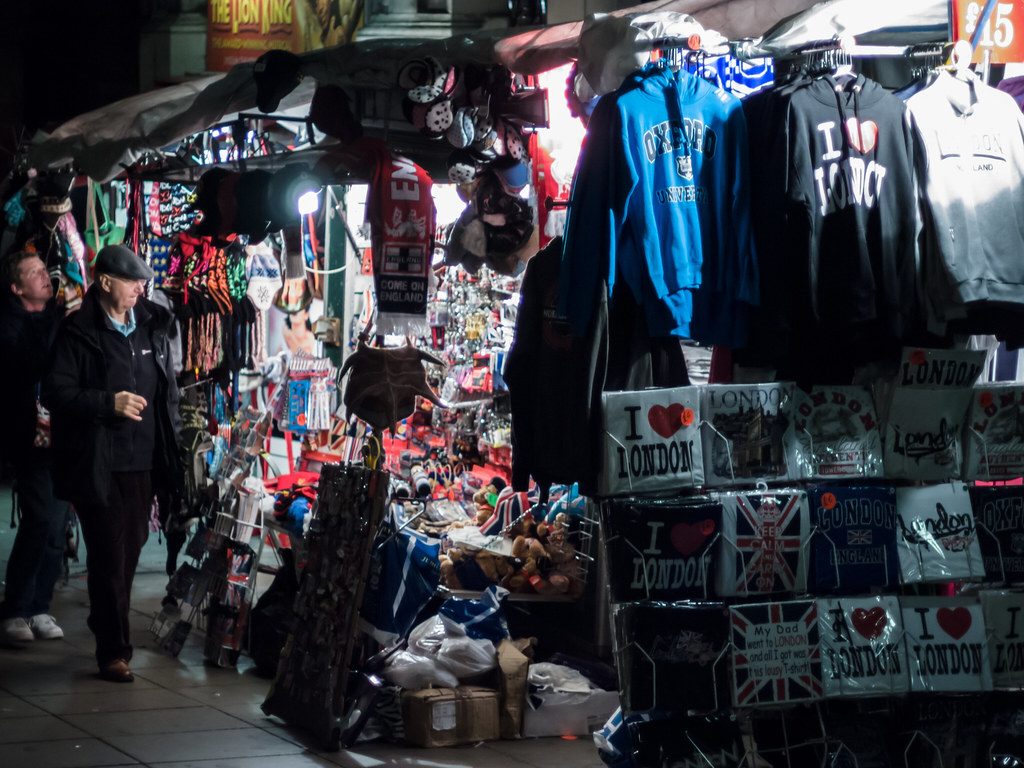
Markets sell handmade items. A handmade necklace runs around $35. If you plan to buy gifts, $200 is a reasonable amount to set aside for souvenirs across a trip. That is not a small number, and it is worth deciding before you go whether you are the kind of person who spends it.
The same logic applies to paid experiences. Entry to Toyosu Fish Market and Tsukiji Outer Market is free. A private tour for two people cost $300, and it was not worth it. Free entry plus your own feet did the same job. That $300 is roughly the cost of fifteen market meals, or a month of street tacos at $1 each. The tradeoff is not close.
Market bargaining follows a rhythm that is easy to misread. The first price is a starting position and both sides know it, but the useful move is not to push hard, it is to buy more than one thing. Vendors work on volume and on the day’s remaining stock, and a person buying three items gets a better per-item price than a person grinding down a single one. Walking away works, but only once, and only if the intention is genuine, because coming back after a failed walk-away costs more than the original price in face.
Handmade is a word worth testing. In a market with fifty similar stalls, the identical necklace appears at five of them, which means it came from the same wholesaler and the price is negotiable. A stall where the seller is also making something, or where the stock is visibly uneven, is where the genuinely handmade goods sit, and those prices hold. Buying from that stall is not charity, it is just buying the real thing.
Where The Value Shows Up
Accommodation is where budgets break. Mid-range hotels in some markets start at $150 to $300 or more per night, and luxury properties go well beyond that. This is the line item that decides whether a trip is cheap or expensive, and it has nothing to do with how you eat.
The places that surprise people are not the ones with the lowest food prices. They are the ones where the whole package lines up. Think night-market feasts for $2 to $4, a no-tipping culture, good rail, and free temples and hikes. Pricier than Southeast Asia, cheap by developed-world standards. That combination is why some destinations come out cheaper than the sticker price suggests.
It is worth being precise about what “the whole package” means, because it is not one thing. It is the food price, the transport price, whether attractions charge, whether tips are expected, and how far a day’s walking gets you. A city with expensive hotels and cheap food is worse than the reverse, because the hotel is the fixed cost and the food is the variable one. Two travellers can spend the same amount on flights and accommodation and finish a week hundreds of dollars apart, and the difference is entirely in the small daily decisions.
For the marquee attractions, buying in advance is the standard advice for a reason.
The other thing that shows up is time. Cheap food costs minutes, not dollars. The stall queue, the market detour, the walk to the place the guidebook skipped, all of it adds up to an hour or two a day that a restaurant meal would have saved. That is the actual trade, and it is a good one, but it is a trade. Travellers who resent the queue end up eating at the hotel, and the budget they came for evaporates in the first three days.
The numbers here are not aspirational. They are just what things cost when you buy them in the right place. A $2 meal and a $40 dinner exist in the same city on the same day. The gap between them is the entire budget.
Leave a Reply