What Gear Actually Costs
A backpacking canister stove runs $60 to $100. Isobutane fuel is $6 to $10 a canister, and a canister gets you roughly $5 to $10 worth of cooking per trip depending on how much you use it. That is the whole entry price. If you are already carrying a stove, hostel cooking costs you fuel and nothing else.
The number that matters more is $800 to $1,200. That is the sweet spot for a full gear kit. Below $800 you are carrying heavy equipment that will make you think twice about hauling it, and gear you avoid carrying is gear you wasted money on. Above $1,200 you are buying specialized items before you know what you actually like using. Most people figure out their preferences on the road, not in a shop at home.
The Hostel Kitchen Math
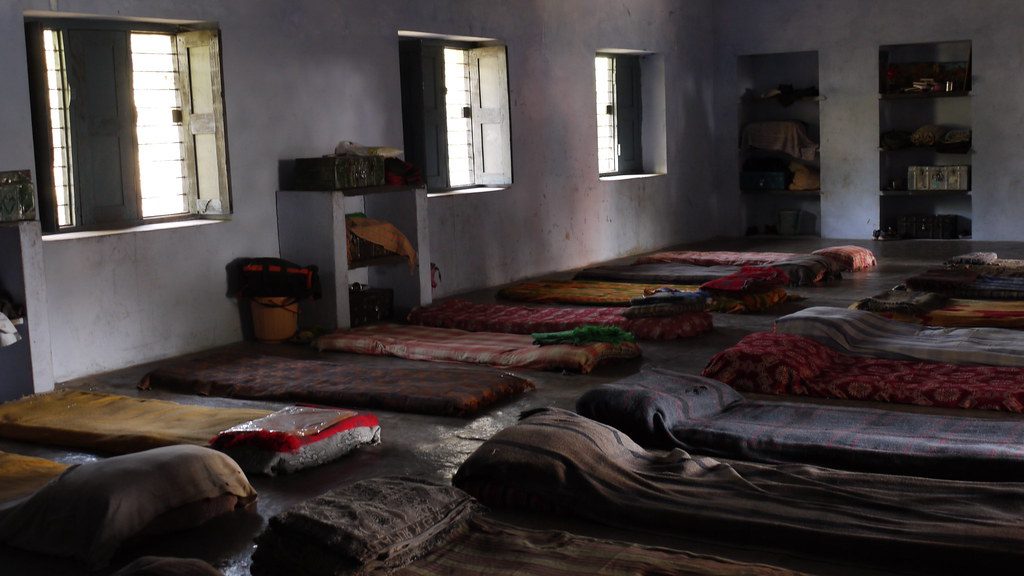
Cooking in a hostel kitchen is not automatically cheaper than eating out. It depends where you are. In most Balkan cities, a bed runs €8 to €18 a night, which converts to roughly $9 to $19. At those prices, a restaurant meal two streets off the main drag can cost less than a bag of groceries bought for one person.
That is the real constraint. Groceries are priced for households. A single traveller buying oil, salt, and a full bag of rice is paying for portions they cannot finish before they move on. The stove pays off over weeks, not days.
Where the Money Goes Instead
Guided activities are the line item that eats a food budget whole. Rhino tracking in Namibia runs $116 per person. Leopard spotting runs $84 per person. A multi-day safari package came in at $175 per person, and that was before paying for several additional safari drives with guides. The guides have radios and share animal locations with each other, which is why the drives work. You are paying for coordination you cannot replicate alone.
Nobody skips those. The point is that a $60 stove does not compete with a $175 safari. It competes with the two meals a day you would otherwise buy while sitting around waiting for the safari.
Cheap Places and Cheap Seasons
Some destinations make the math easy. Venezuela was extremely cheap when travellers passed through in late 2015, cheap enough to travel on cents, though the country was already in distress with empty shops, corrupt police, and non-existent service. Whether it is ethical to go is a separate argument.
For ordinary trips, timing does more than gear. Mid-week flights are consistently 10 to 20 percent cheaper, and Tuesday departures are the cheapest day. September and October bring accommodation down 30 to 50 percent, cheaper flights, and thinner crowds.
Teahouse trekking works differently. Some teahouses let you use their Wi-Fi free. Others charge. Budget around $4 for internet at a teahouse, and treat electricity the same way, since it is not always included.
Two Rules That Save More Than Gear
Eating near a major landmark costs roughly double what you pay two streets away. Walk five minutes off the main drag before you look at a menu.
In Bali, mid-range restaurants charge more in tourist areas like Canggu and Seminyak, and hotel restaurants run 50 to 100 percent higher than standalone places in the same neighborhood. The hotel restaurant is the most expensive kitchen within walking distance of your bed.
None of this requires a stove. It requires knowing that the $60 to $100 you spend on a stove buys you control, not savings. The savings come from where you stand when you decide what to eat.
Leave a Reply