Wet clothes do not dry in a humid guesthouse room, and the guesthouse will charge you $2 to $3 per kilo to deal with it. A dry bag at $9 and a length of paracord at $1.50 solve most of it.
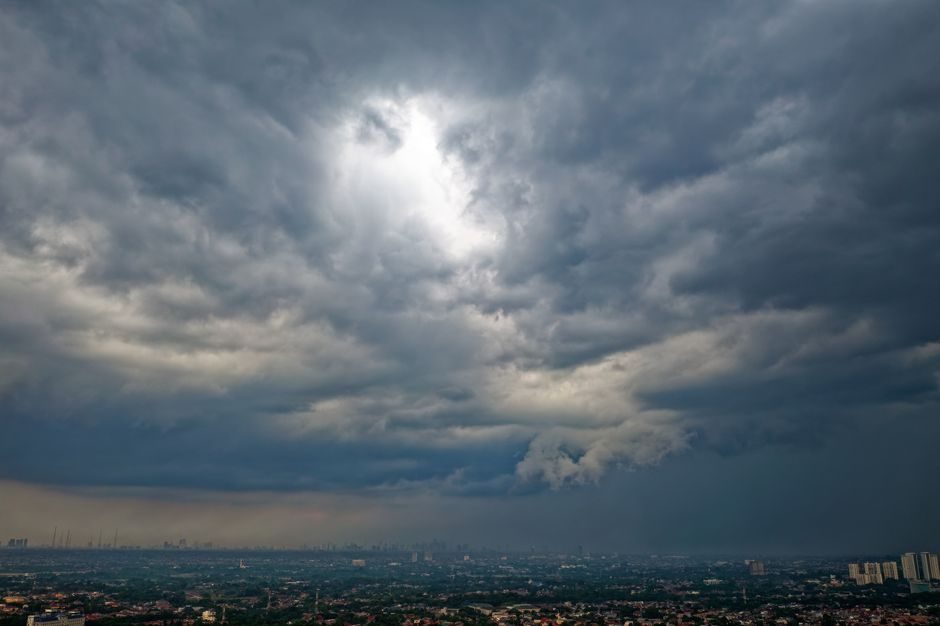
The rain starts at 14:40 on a Tuesday, and the guesthouse owner in Kampot tells you it will stop at 16:00. It stops at 16:10. This is not luck. It is a monsoon pattern, and once you learn it, the low season stops being a gamble and starts being the cheapest month of your year.
The Numbers Do the Arguing
Phnom Penh in August runs $22 a night for a private double with air conditioning and a fan. The same room in January is $48. That is a 54 percent difference for identical furniture and a slightly better view of the same alley. In Luang Prabang the gap is wider: a dorm bed that costs $6 in September runs to $15 in February. A guesthouse in Hoi An quoted $9 for a twin in October and $27 in March. The rain is not a discount code. It is the whole pricing mechanism.
Flights follow the same logic. A return from Bangkok to Siem Reap quoted at $41 in July rises to $118 over the New Year period. A one-way from Kuala Lumpur to Bali came in at $34 in February and $102 in August, which is the reverse of the pattern you might expect if you assume Asian rains all fall at the same time. They do not. The rains move. The prices move with them, in opposite directions depending on hemisphere and coast.
Where the Water Actually Goes
The Gulf of Thailand side and the Andaman side do not share a calendar. Koh Samui’s wettest stretch is October and November, when the island takes 250mm to 300mm in a bad month. Koh Lanta, on the other side of the peninsula, gets its heaviest rain in September and October. Koh Phangan’s October is wet but its January is dry. You can chase dry weather across a peninsula for $18 in a bus fare if you pay attention to which coast is currently under the cloud.
Northern Thailand is different again. Chiang Mai’s rainy season runs June to October, with September the wettest at roughly 240mm across the month. But that rain usually arrives in the late afternoon and clears by evening. Morning markets run. Temples open. The sticky rice vendors do not care about the radar. What you lose is the mountain trekking, which closes on many routes in August because the trails turn to clay. What you gain is a guesthouse at $11 instead of $30 and a night market that is half empty.
The $6 Raincoat Economy
Every rainy-season town has a raincoat economy, and it is priced for people who did not pack one. A plastic poncho in a Vientiane market costs $1.20. The same poncho, bought from a stall outside a temple in Luang Prabang in a downpour, costs $3. A proper lightweight rain shell that would cost $60 at home costs $14 in a Chiang Mai outdoor shop, and it will last the trip if you buy the one with taped seams and not the one with the logo.
The other number that matters is laundry. Wet clothes do not dry in a humid guesthouse room, and the guesthouse will charge you $2 to $3 per kilo to deal with it. That adds up over ten days. A dry bag at $9 and a length of paracord at $1.50 solve most of it. So does paying $4 more a night for a room with a balcony and a fan pointed at the washing.
Transport Runs Anyway
The thing nobody tells you is that the buses still go. A sleeper bus from Hanoi to Hue that costs $18 in the dry season costs $16 in the wet, and it leaves on time in rain that would shut down a highway at home. Ferries in the Gulf of Thailand cancel in high wind but not in ordinary rain. The 08:00 boat from Surat Thani to Koh Samui runs at $11 and runs in weather that looks apocalyptic from the pier. What cancels is the small stuff: the longtail boats, the island-hopping day tours at $25 a head, the kayak rentals at $8 an hour. Budget for two cancelled day tours out of seven and you will be fine.
Domestic flights are the exception. A one-way from Bangkok to Krabi at $38 in July can spike to $70 when a storm grounds the morning departures and everyone rebooks onto the afternoon. If your itinerary depends on a flight, book the morning one, because the afternoon flights are the ones that absorb the delays.
What You Actually Save
Add it up over two weeks. Accommodation at $15 a night instead of $32 saves $238. Food is cheaper too, because the tourist restaurants on the seafront cut their prices when the tables are empty, and a plate of fried rice that costs $4 in high season costs $2.80 in low. Two weeks of that is another $50 or so. Tours are discounted 20 to 30 percent because the operators need the seats filled, which is $15 off a $50 trek or $8 off a $30 snorkelling trip.
The cost is the rain itself. Two or three days out of fourteen will be write-offs, and a write-off day still costs you a room. Call it $45 of wasted accommodation across a fortnight. You are still ahead by roughly $250 on a two-week trip, which is a return flight from the US west coast to Central America, or six weeks of dorm beds somewhere else.
The Practical Bits
Pack for wet, not for cold. Two changes of quick-dry clothes beat five changes of cotton. A $9 dry bag keeps your passport and phone functional. Buy the rain shell there, not here, at $14 rather than $60.
Book the first two nights only. The rain moves, and a guesthouse that is miserable in a downpour is cheerful in a dry spell forty kilometres away. Paying $22 a night for a room you can leave after two days is cheaper than paying $48 a night for a room you are stuck in for a week because you prepaid.
Check the monthly rainfall figure before you commit, not the average temperature. The temperature barely moves. The rain does. A town with 40mm in a month and a town with 300mm in the same month are both “rainy season” and they are not the same trip.
And learn the clock. In most of Southeast Asia the rain comes in the afternoon and stops before dinner. The mornings are yours. The temples open at 06:00 and the markets at 05:30, and the people who complain about rainy season are the ones who slept until ten and found the sky already grey. Get up at six. You will have four dry hours, a cheap room, and a town that has not yet filled with anyone else.
Leave a Reply