
In Bolivia the fine is a flat $75 to $110 depending on how long you have overstayed. Colombia charges about $55 for the first month over and escalates. Peru allows a 90-day extension at a migration office for about $22.
What Nobody Tells You About Visa Costs Across South America
A passport from a wealthy country gets you into most of South America for nothing. That is the part everyone repeats. The part that costs money is the overland border, the airport exit fee nobody budgeted for, and the visa you only discover you need at the consulate two countries away. I spent four months crossing borders on a US passport and a second trip working through the paperwork on a passport that needed more of it, and the bills never matched what the blogs suggested. Here is what the numbers actually looked like.
The free entry that isn’t free
Most of the continent is visa-free for US, UK, EU and Canadian passports, and for stays of 90 days in countries like Colombia, Peru, Chile, Argentina, Brazil and Uruguay. Free at the border does not mean free. Colombia charges nothing to enter but many travellers arrive on a flight and pay an airport departure tax of roughly $38 on the way out, sometimes folded into the ticket and sometimes collected at a desk. Peru’s departure tax runs about $31. Argentina’s is around $8. Brazil’s is nearer $25. Add those to a multi-country loop and you are looking at $100 or more of exit fees that never appear in a “visa-free” headline.
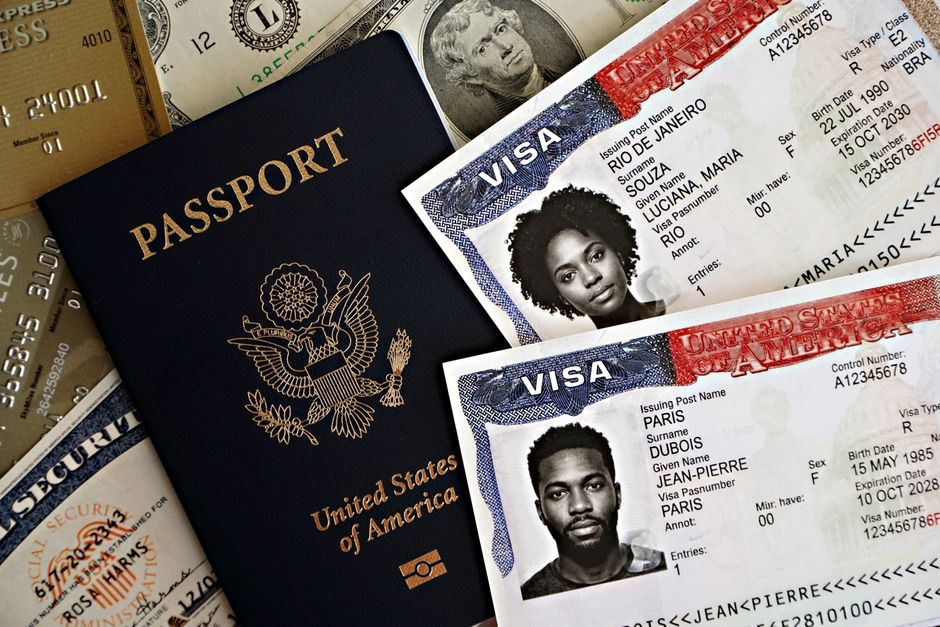
Chile is the one people forget. US passport holders pay a reciprocity fee on arrival, currently about $160, and it is valid for the life of the passport. Pay it once and you are done, but the first crossing stings.
The 90-day problem
The 90-day stamp is the real budget item. Most travellers assume they will leave when they leave. Then they fall in love with a city, take a Spanish course, or pick up a month of farm work, and the stamp runs out. Overstaying in Peru costs about $1.20 per day over the limit, capped at roughly $430. In Bolivia the fine is a flat $75 to $110 depending on how long you have overstayed. Colombia charges about $55 for the first month over and escalates. None of these are catastrophic. All of them are avoidable with a border run, and a border run to a neighbouring country costs a bus ticket, a night of accommodation and often a new entry fee on the way back in.
The cleaner option is an extension. Peru allows a 90-day extension at a migration office for about $22. Argentina allows a 90-day prórroga for around $16. Colombia charges nothing for a 90-day extension if you apply before the stamp expires, which makes it the cheapest fix on the continent. Brazil charges about $33 for an extension. These are the numbers that matter. A $16 office visit beats a $430 overstay fine every time.
Visas for the passports that need them
Not everyone arrives visa-free, and the costs diverge wildly. A US passport holder entering Bolivia pays $160 on arrival, valid for 10 years, and needs a yellow fever certificate and a hotel booking. A UK passport holder pays nothing. An Australian passport holder pays the same $160. A Canadian pays $125. Those are the posted fees, and they are collected in cash at the border in US dollars, crisp bills only. Arrive with a creased twenty and you will be sent to a cambio.
Brazil is the other one. US, Canadian and Australian passport holders used to pay a reciprocity fee of about $160 for a 10-year visa. That was suspended, then reinstated, then suspended again, and the current position is that US and Canadian citizens need an e-visa at roughly $80.90 for a two-year validity. Australians pay around $65. The lesson is not the number. The lesson is that the number changes, and the number you read on a forum from 2019 is probably wrong.
Paraguay is the quiet trap. Most nationalities get 90 days free at land borders, but the fee for an extension is around $40 and the office is only in Asunción. If you are in Ciudad del Este and your stamp is expiring, you are looking at a bus to the capital and back.
The hidden costs around the visa
The visa itself is rarely the biggest line. The supporting documents are. A yellow fever vaccination for Bolivia or the Amazon runs $150 to $250 at a travel clinic, and some borders will turn you away without the certificate. Passport photos cost about $8 in most capitals and $3 at a street kiosk in La Paz. Photocopies of every page of your passport, which several consulates demand, cost about $0.15 a page, so a 32-page passport is under $5. Bank statements printed and stamped at a copy shop run $2 to $4.
The consulate trip is its own expense. Applying for a Brazilian visa in a third country means a bus to the consulate city, a night of accommodation and a return trip. From a smaller town that is easily $60 to $100 in transport and lodging before you have paid a single fee. The visa fee on top is $80.90. Budget $150 to $200 for a consulate run, not $80.
What to actually set aside
For a US passport holder doing a six-country overland loop, the realistic visa and border line in a budget is $250 to $350. That covers the Chile reciprocity fee at $160, a handful of departure taxes, one or two extensions at $16 to $33, and the inevitable photocopy and photo run. For a passport that needs visas for Bolivia and Brazil, add $160 and $80.90, plus the consulate trip, and you are nearer $550 to $650.
The single biggest saving is not a fee waiver. It is a calendar. Write your entry date on the back of your passport in pencil the day you cross. The $430 Peru overstay cap and the $110 Bolivia fine both start with a date you forgot. A pencil costs nothing. The fine costs $430. That is the whole article.
Leave a Reply