A workable compromise is to take the cheap food away and eat it somewhere seated, which keeps the $2 to $4 price without the physical cost of the kerb.
What Things Actually Cost
A private room in a hostel in Chiang Mai runs about $14 a night. A budget guesthouse on Koh Tao runs about $40. Same country, same standard of room, nearly three times the price.
That gap matters more if you’re travelling with a disability, because the cheap end of the market is often the physically hardest to use. A $14 room up two flights of stairs is not a $14 room. It’s a $14 problem. The $40 room with a ground-floor entrance and a wide bathroom door may be the only real option, and paying it isn’t waste. It’s the price of the trip happening at all.
So the first task is knowing what the floor is. Not the average. The floor.
The floor is the cheapest place that actually works, and finding it takes a specific kind of research. Booking sites list a room type, not a doorway width, and the photos are chosen to hide exactly the things that matter. The trick is to message the property directly before booking and ask three plain questions: is the entrance step-free, is the bathroom door wide enough to pass a wheelchair, and is there a grab bar or at least a solid wall beside the toilet. In Thailand and Sri Lanka, guesthouses that pass this test tend to cluster in newer buildings on flat ground near the beach road, while the cheapest stock sits up hills or above a family’s living room. A ground-floor room in a small family-run place is often the sweet spot: no lift to break, someone on site to help, and a rate that sits between the hostel and the resort. Expect to spend an hour or two of messaging per destination, and treat a vague answer as a no. The places that are genuinely accessible tend to answer with measurements, because they have been asked before.
Getting Around
In Sri Lanka, a tuk-tuk from Tangalle to Hiriketiya cost $6 for a half-hour door-to-door drive. A bus covered the same route for less. The bus also involved a lot of walking in full sun, and that walking is where the day goes. Six dollars bought the day back.
This is the calculation that matters most. Not “can I find a cheaper option” but “what does the cheaper option cost me in energy, in heat, in pain, in hours.” Those are real expenses even when they never appear on a receipt.
In Kenya, a private vehicle with a driver, arranged through almost any tour company in Nairobi or Mombasa, normally runs $150 to $200 per day including fuel and most driver expenses. Accommodation, food and park entry sit outside that figure. It is a large number. It is also the difference between seeing the parks and reading about them.
What that money buys, concretely, is a vehicle parked outside the hotel at an agreed hour, a driver who waits while you eat and handles the gate fees, and the freedom to stop when the day gets long. On a standard safari day the vehicle leaves before dawn and returns in the late afternoon, which is a long stretch to sit in a bucket seat on rough corrugation. The good operators will fit a cushion, keep water within reach, and plan the loop so the roughest tracks come before the heat peaks. Ask about the vehicle itself, not just the price: a minivan with a sliding side door and a step is far easier to enter than a high-clearance Land Cruiser, and some companies will swap one in without changing the rate. Book through an established Nairobi office rather than a beach tout, confirm the daily figure in writing, and agree up front whether fuel and the driver’s meals are inside it, because on the coast that is where the quotes quietly drift.
For shorter hops, the pattern repeats everywhere. A metered app car in a city is usually a small premium over a shared minibus and removes the walk to and from the stop, the crush at the door, and the standing time. The shared minibus is not wrong; it is simply a different purchase, and it is worth being honest about which one is being made.
Food and the Small Stuff
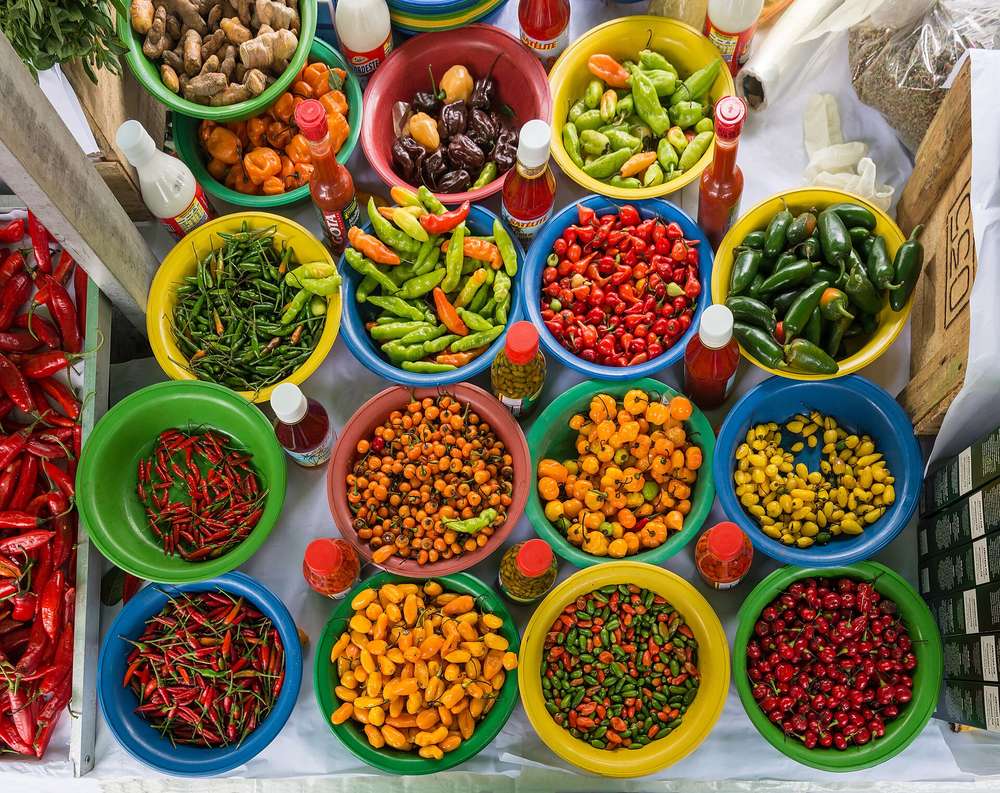
Street food and local eateries run $2 to $4 for a meal. A mid-range restaurant runs $8 to $15.
The accessible version of eating is usually the mid-range one: a chair with a back, a table at a height that works, a toilet you can get to. Budgeting $8 to $15 per meal rather than $2 to $4 changes a two-week trip by well over $150. Worth knowing before you go, not after.
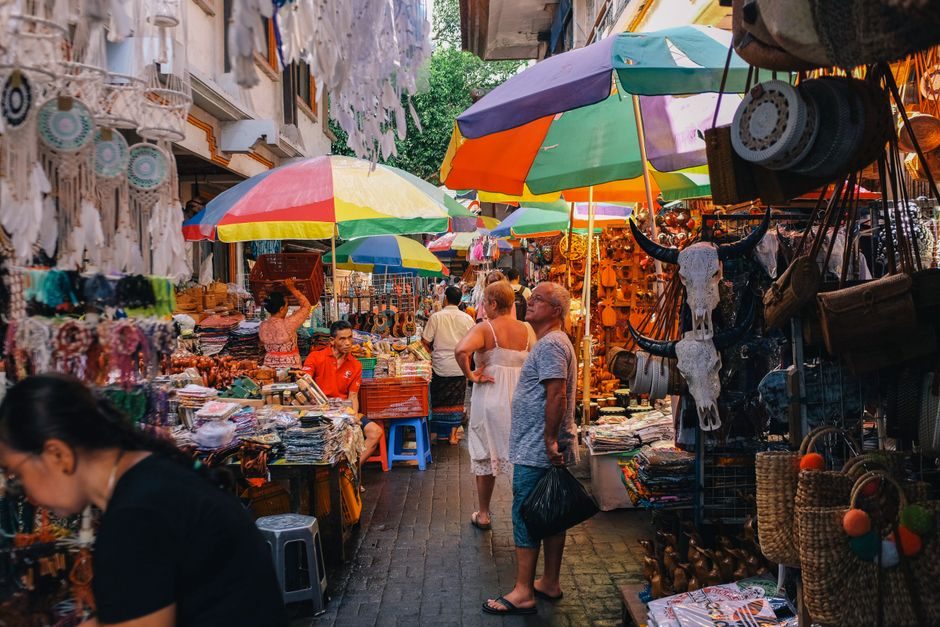
The mid-range option also tends to come with air conditioning, which in the middle of a hot afternoon is not a luxury but a way to keep the day usable. In practice, the reliable accessible meal is a hotel restaurant or a café attached to a larger guesthouse, where the entrance is flat and the toilet is on the same level as the tables. Those places open early and stay open late, which means a late breakfast and an early dinner can both be handled without hunting. Street stalls, by contrast, are often a stool at a kerb with a crowd around it, and the food is excellent but the seating is the part that fails. A workable compromise is to take the cheap food away and eat it somewhere seated, which keeps the $2 to $4 price without the physical cost of the kerb.
Small maintenance costs add up too. A haircut and colour runs upwards of $100, with touch-ups every eight weeks or so. Getting it cut once or twice a year instead saves at least $500. That’s not an accessibility tip. It’s just arithmetic that applies to anyone trimming a travel fund.
There’s a similar test for memberships back home: divide the cost by the number of times you actually go. If the per-visit figure is less than a drop-in class, which runs $8 to $15, keep it. If it’s more, you’re paying for something you don’t use. That money is travel money.
The Long Trip Math
One traveller’s ten-month trip averaged $62 per day per person. That covered lodging, food, entertainment, transportation, shopping, everything, averaged across the whole period.
$62 a day is a useful anchor because it’s an all-in number. It’s also an average, which means some days cost far more and some cost far less. A day with a $150 private driver is not a $62 day. A day spent walking between a $14 room and a $3 lunch is well under it.
The trick is not to chase the average. It’s to know which days will blow past it and plan the cheap days around them.
In practice that means clustering the expensive days so they don’t stack up. Two private-driver days back to back, followed by a week of staying put in one town, averages out far better than spreading one big transport day across every second day. Rest days are not lost days on a long trip; they are the cheap days that pay for the expensive ones, and they are also when the body recovers enough to make the next push worthwhile.
Cash matters on long treks. For a standard 12-day trek like Everest Base Camp or the Annapurna Circuit, carry a minimum of $450 to $600 in cash above your teahouse and permit budget, to cover unexpected costs and tipping. That figure is the same whether you’re carrying a backpack or hiring a porter. On a trail, there is no card machine and no ATM.
The reason the buffer is that size is that trail costs arrive in a rush: a flight or helicopter out if the altitude turns bad, a night of extra lodging in a village when the weather closes in, hot showers and charging that each carry their own small fee, and the tips that porters and guides depend on at the end. None of it is predictable, all of it is payable in cash, and the nearest working ATM is a day or more behind. Changing money in Kathmandu before the trail is cheaper than changing it in the villages, where the rate worsens the higher you climb. Carry the notes in small denominations, because a large note for a small purchase up high will often come back as a shrug.
What to Budget For
A realistic accessible trip budget has three layers. The base layer is lodging and food at the accessible end of the range: $14 to $40 a night, $8 to $15 a meal. The second layer is transport that removes walking: $6 tuk-tuks, $150 to $200 private driver days. The third is a buffer for the things you can’t predict.
The buffer is not optional. That’s the $450 to $600 on a trek, and it’s the same principle everywhere else.
None of this is cheap. Some of it is avoidable and some of it isn’t, and telling the difference is most of the work. The $6 tuk-tuk is avoidable and worth it. The $40 guesthouse with a usable bathroom is avoidable and worth it. The bus that saves $6 and costs you an afternoon in the sun is not a saving at all.
Count the whole cost. Then decide.
Leave a Reply