Some links on this page are affiliate links. If you book or buy through them, we may earn a small commission at no extra cost to you. It never changes what we recommend — every price here is one we would pay ourselves.
Poland sits at the lower end of that range in practice, though the honest version is that fares run $1.50 to $3.50 per journey depending on the city and how far out you are going.
The first number that matters is $1.50. That is what a single metro, tram or bus journey costs in most European cities, and it is the floor you should plan around. Poland sits at the lower end of that range in practice, though the honest version is that fares run $1.50 to $3.50 per journey depending on the city and how far out you are going. A weekly transit pass in a major city runs $20 to $35. Buy the pass. Taxis and rideshares add up fast and are not a sensible primary way to get around if you are counting money.
What that looks like on the ground: in Warsaw, Kraków, Wrocław and Gdańsk the ticket machines at tram stops take cards, and the machines inside the vehicles often only take coins, which is the single most common way travelers end up riding without a valid ticket. Validate the ticket in the little punch machine the moment you board, not when you see a inspector, because the fine for an unvalidated ticket is north of $50 and controllers work in plain clothes. Locals buy time-based tickets loaded onto a city card or straight onto their phone, and most of them tap in and out without ever touching paper. A single ride is usually good for a set window rather than a fixed route, so a short hop and a long cross-town trip cost the same. Night buses run less often than the schedule suggests, and after midnight the honest move is often a rideshare split between two people rather than waiting twenty-five minutes in the cold. The pass pays for itself in about four days of normal sightseeing, less if the hostel is outside the center and every trip in and out is a paid one.
The Daily Number
For accommodations, food, transportation and activities combined, the working figure is $75 per person per day for a budget traveler and $225 per person per day for mid-range. That is the spread. Where you land inside it depends almost entirely on two things: where you sleep and how often you pay for a ride.
Hostel dorms run €8 to €18 a night. At 1 EUR = 1.08 USD, that is roughly $9 to $19. Mid-range private rooms come in at €25 to €45 per person, or about $27 to $49. Boutique hotels in peak season run €60 to €100 or more per person, which converts to $65 to $108 and up. The pattern worth noticing: a private room in a hostel typically costs 20 to 40 percent less than an equivalent budget hotel room in the same area. Same neighborhood, same bed, different sign above the door.
The booking mechanics matter as much as the price. Polish hostels fill hard for the long weekends around May and the Christmas markets in December, and the good ones in Kraków’s Kazimierz district sell out weeks ahead, which pushes late bookers into the pricier rooms that were the last to go. Outside those spikes, walk-in rates in the shoulder months of April and October are often lower than anything listed online, because the front desk would rather fill a bed than hold it. Breakfast is frequently included at the mid-range places and almost never at the boutique ones, which quietly shifts the daily math by a few dollars either way. A private room usually means a shared bathroom down the hall, and the listings are not always explicit about it, so it is worth reading the room description rather than the photos. Reception hours are the other trap: many small hostels staff the desk only from mid-morning to early evening, and arriving on a late train means standing outside with a phone number taped to the door.
Food That Stretches
The cheapest meal on any trail or in any city is the one that gets refilled. Dal bhat, a set meal of rice, lentil soup, vegetables and pickle, costs $5 to $8 at lower elevations, and refills are free at most teahouses. That makes it the single most cost-efficient meal you can order. Two servings for the price of one is not a special. It is the standard.
Then there is choripan. Grilled chorizo between bread or a roll, with salad and hot sauce. Street stalls sell them for less than $1 each on average. This is the number that changes a daily food budget. If lunch costs under a dollar and dinner costs $5 to $8, the food line on your spreadsheet stops being the problem.
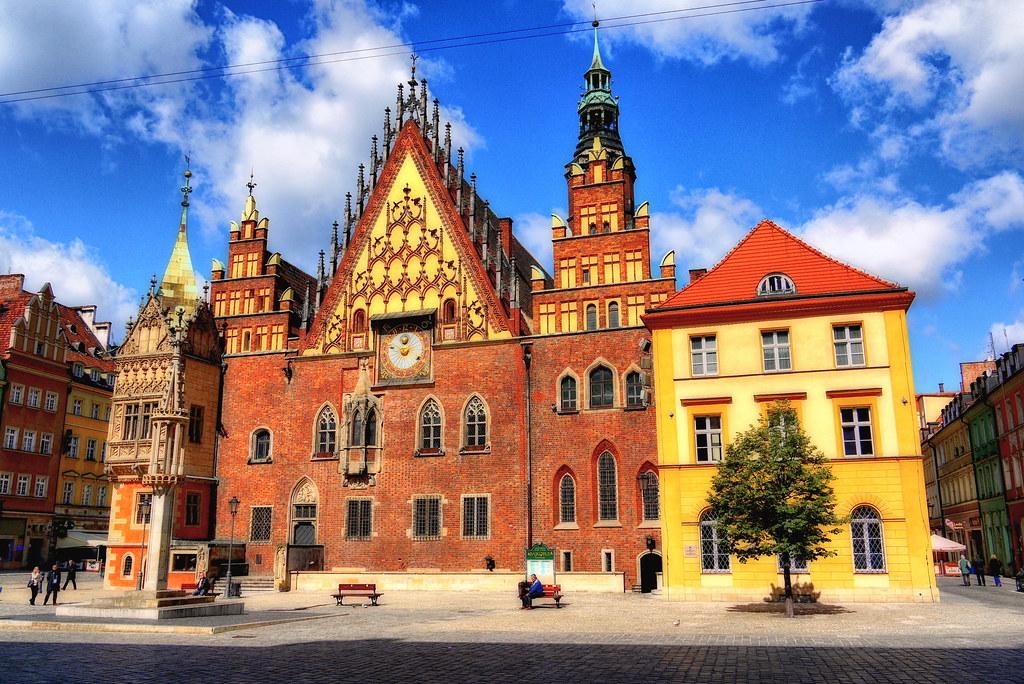
In Poland the equivalent move is the milk bar, the communist-era canteen that survived because people still eat there. The menu is plain, the portions are large, and the ordering system confuses first-timers: at the older ones you order and pay at one counter, then hand the slip to a second counter to collect the food, and the two are not next to each other. Lunch there costs a fraction of a restaurant meal, and the clientele is a mix of students, pensioners and office workers on a break, which is a decent signal that the price is real. The other reliable cheap eat is the bakery counter, where a filled roll or a slice of yeast cake covers a light breakfast for pocket change. Sit-down restaurants in the Old Town squares charge for the view, sometimes for bread that arrives unasked, and the bill often comes with a service line that is a suggestion rather than an obligation. Locals eat the main meal at midday and keep the evening light, which is both cheaper and the reason the good lunch places are packed at one o’clock and half empty by seven.
Charging and Small Costs
A portable solar charger or power bank costs $20 to $60 to buy. Charging a device at a teahouse costs $2 to $5 per device, per charge. A power bank with 20,000mAh capacity eliminates on-trail charging costs entirely. Do the arithmetic once: three devices charged at $3 each across five nights is $45, which is more than the power bank cost. The purchase pays for itself before the trip ends.
The same logic runs through the small costs that never make it onto a budget sheet. Laundry at a hostel is usually a few dollars a load and the machine is booked by whoever got up earliest, so the drying rack in the window is doing more work than the dryer. Public toilets at train stations and in shopping centers often charge a small coin fee, and the attendant keeps the change, so carrying coins has a practical value beyond transit. Tap water is drinkable in the cities and most travelers drink it without thinking about it, which removes a real daily expense that adds up over a longer trip. Sim cards from the local carriers are cheap and sold in shopping centers with a passport, and the airport versions cost noticeably more for the same data. Supermarket water, snacks and breakfast food cut the daily food number more than any single restaurant choice.
Where the Numbers Get Bigger
Some costs do not compress. The Ghorepani–Poon Hill trek in Nepal is one of the shortest Himalayan routes and among the most affordable treks in the country. New roads up to Ulleri mean it can be completed in two days. It still costs $450 to $700. That is not a daily figure. That is the whole thing, and it does not shrink because you slept in a dorm.
The same logic applies at the top end. A one-year target budget of roughly $25,000 plus €35,000 comes to about $63,000 rounded when the euros convert at 1.08. That is a different category of travel entirely, and it is worth being honest that most people reading a budget blog are not working with that number.
Attraction passes need their own test. If the combined cost of the top three attractions you plan to visit is within about 75 percent or more of the pass price, the pass is likely a good deal. If it is less than that, buy tickets individually. Check current 2026 prices for Paris Pass, Rome tourist cards and local museum bundles before committing. The rule is not the price of the pass. The rule is the price of the three things you would actually do.
For anything with a timed slot, booking ahead is the routine move.
Poland throws a wrinkle into that test, because several of the sites people come for are already free or nearly so. The old towns are open streets rather than ticketed attractions, the main squares cost nothing to stand in, and a number of the museums have one day a week when entry is free, which is also the day they are most crowded. The paid sites that do justify the money, the big underground museum in Kraków and the salt mine outside it among them, are the ones worth checking individually rather than bundling. The salt mine in particular sells timed entry and the popular slots go days ahead in summer, so the ticket desk and the online queue both close out before the day itself. Buying at the last minute means either paying a tour operator’s markup or missing it.
What the Figures Say
The spread between $75 and $225 per day is not about luck. It is about dorm versus private room, transit pass versus taxi, dal bhat versus a restaurant with a menu in three languages. Poland rewards the first choice in each pair. The country is not a secret and it is not a hardship posting. It is a place where the numbers sit low enough that a $1.50 tram ride and a sub-$1 choripan do most of the work for you.
Leave a Reply