Some links on this page are affiliate links. If you book or buy through them, we may earn a small commission at no extra cost to you. It never changes what we recommend — every price here is one we would pay ourselves.
A seat can cost $614 on one date and something else entirely on another, and the difference rarely reflects anything you did. Even with that, a comfortable mid-range trip there runs $70 to $120 per day including accommodation and meals.
The Same Seat, Three Prices
A plane ticket from Bangalore to Ahmedabad, booked well in advance, once cost under 3,000 rupees. That is roughly $36 at current rates. The traveller who bought it was not a frequent flyer and was visiting family, which is probably why the price stuck in memory. Most of us do not remember the cheap fares. We remember the ones that hurt.
Fares move. A seat can cost $614 on one date and something else entirely on another, and the difference rarely reflects anything you did. That is the honest starting point for any budget trip. The calendar is doing more work than your search skills.
Watch the same route across a few weeks and the pattern stops looking random. Midweek departures sit lower than Friday and Sunday returns, because the people flying then are flying for work and their employers are paying. Early-morning departures undercut the civilised ones. A single stop shaves a chunk off a nonstop, and the stop is often somewhere worth a night if the layover is long enough to leave the airport. None of this is secret, but it is invisible if a search is run once, on the day the idea arrives, and the first number is taken as the price. The fare that stings is usually the one bought late for a date that could not move, and that is a different problem from a route being expensive.
What Holidays Actually Do
Public holidays and school breaks do not nudge prices. They rebuild them. A route that sits quiet in early June can fill solid in late July, and the fare follows the seats. This is not a conspiracy, just supply meeting a fixed date.
The Algarve is a clean example. June and September sit outside the school holidays, with warm weather that is not scorching. Both months still work. August is the one where accommodation and transport tighten at the same time, and the price reflects it. Tavira makes a sensible base if you are in that region, though the timing matters more than the town.
What surprises people is how local the holidays are. A national holiday moves the whole country at once, but a regional one, a saint’s day, a school half-term, or a long weekend stitched together by a bridge day, moves one city and leaves the next one calm. In Portugal the difference between a quiet week and a packed one can be a single municipal holiday that nobody outside the district has heard of. Checking the local school calendar before booking accommodation is worth more than checking the national one, because families book rooms, not beds on trains.
There is a second layer now. Thailand introduced a ฿300 tourist entry fee in 2026, which converts to about $9. Even with that, a comfortable mid-range trip there runs $70 to $120 per day including accommodation and meals. The fee is real. It is also small against the daily number.
On a trip with limited days, reserved entry is how the plan survives.
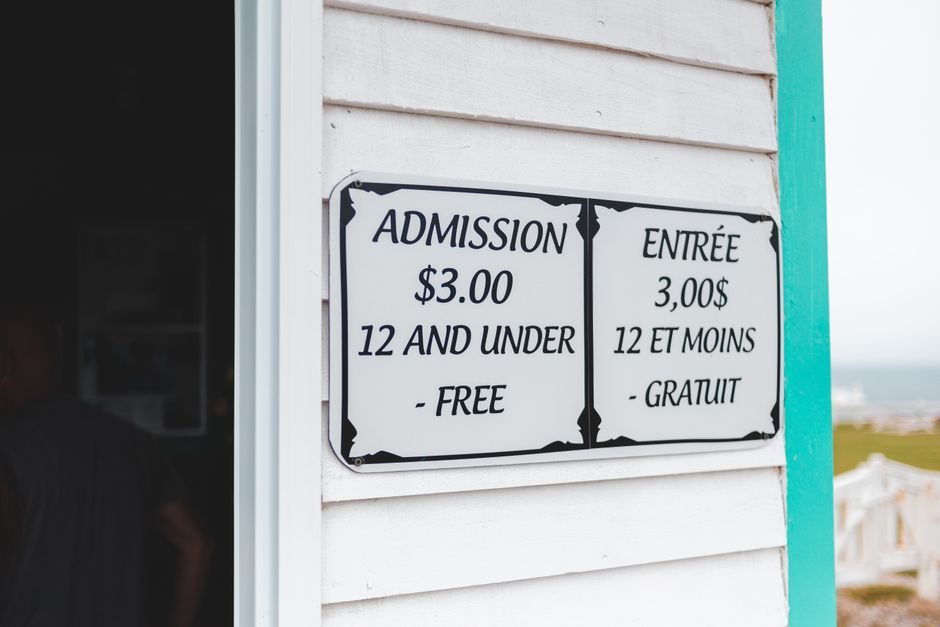
The mechanics of these small fees are where trips go wrong. They are usually collected on arrival, sometimes folded into the air ticket, sometimes paid at a kiosk before immigration, and the queue for the kiosk is the part that eats an hour after a long flight. Having the amount in local cash, or a card that works abroad, saves standing at a machine that only takes one or the other. The fee itself rarely changes a decision. Forgetting it does, usually at the worst moment of the journey.
The Off-Season Discount Is Not a Myth
Nepal trekking for 2026 shows the spread clearly. Budget travellers can shave $500 or more off a trip by going in the deep off-season, staying in hostels, and eating plainly. Bread, tomatoes, cheese, and boxed wine are not a joke. They are the arithmetic.
That $500 is not a rounding error. It is a second trip, or a month of nights somewhere cheap. The trade is weather, crowds, and sometimes closed trails. Only you can price that in.
The deep off-season in the mountains is not simply quieter. It is colder, the teahouses higher up thin out and some shut altogether, and a route that is a straightforward walk in October becomes a decision about ice and daylight in January. Guides and porters are cheaper and more available, which is the upside. The lodges that stay open are grateful for the company and the dal bhat is the same. What changes is the margin for error, and that margin is the thing the discount is really buying and selling.
Entrance Fees and the Small Decisions
Sigiriya in Sri Lanka charges 3,300 LKR, which comes to almost $30. One traveller looked at it from the outside and kept the money. That is a legitimate choice. A $30 ticket is not the same decision for everyone, and pretending otherwise is unhelpful.
The same logic applies to transport. The Desert Express, a weekly train aimed at luxury-minded tourists, starts at $295 per ticket. That is not a budget option, and no amount of framing makes it one. Knowing the number lets you skip it without regret.
Entrance fees have a rhythm worth learning. The headline site is often the most expensive and the most crowded, and the second-tier site a short ride away is a fraction of the price and half empty. Mornings are cooler, queues are shorter, and the light is better for the photographs people actually came for. Ticket desks close mid-afternoon at many sites, and the last entry is earlier than the closing time, which catches out anyone who plans the day around a late start. Paying at the gate in local currency is usually simplest; card machines at remote sites are unreliable and the exchange rate offered on the spot is rarely kind.
Where the Money Goes Further
Accommodation is the biggest lever. Budget rooms average around $10 per night in the cheaper countries, but climb fast in expensive spots. If a nice hotel is an occasional treat rather than the default, Indonesia, Thailand, and Malaysia tend to have the best prices for it. Those three names come up repeatedly for a reason.
Street food pricing in Thailand in 2026 depends on location, rent, and tourist density. The same bowl costs different amounts two streets apart. That is not inconsistency. It is rent passing through the bowl.
Per-day spending splits into three rough tiers depending on how you travel, and the tier you land in matters more than any single booking. Two people can visit the same country in the same month and spend figures that barely resemble each other. The gap is mostly housing and food, not flights.
Locals tend to eat where the rent is low and the turnover is high, which usually means a stall with a short menu and a queue of people who work nearby. Following that queue is a better guide than any list. In the cheaper countries a dorm bed, three meals from stalls, local transport, and one paid attraction a day keeps the daily number close to the floor. Adding a private room and restaurant meals roughly doubles it, and adding tours and taxis doubles it again. The flights are a fixed cost paid once. The daily rate is the one that compounds, and it is the one most within reach of a decision made on the morning it is spent.
Reading the Signal
Fare predictors label a route low, typical, or high. That label is a signal about the current price against recent history, not a promise about tomorrow. It tells you whether the number in front of you is unusual. It does not tell you whether to buy.
What the numbers here suggest is simpler. Off-season beats peak season by hundreds. Hostels beat hotels by more. Cheap countries beat expensive ones on the daily rate. A $36 domestic fare and a $614 seat can exist on the same airline in the same year, and neither is a mistake.
Leave a Reply