What Solo Risk Actually Looks Like
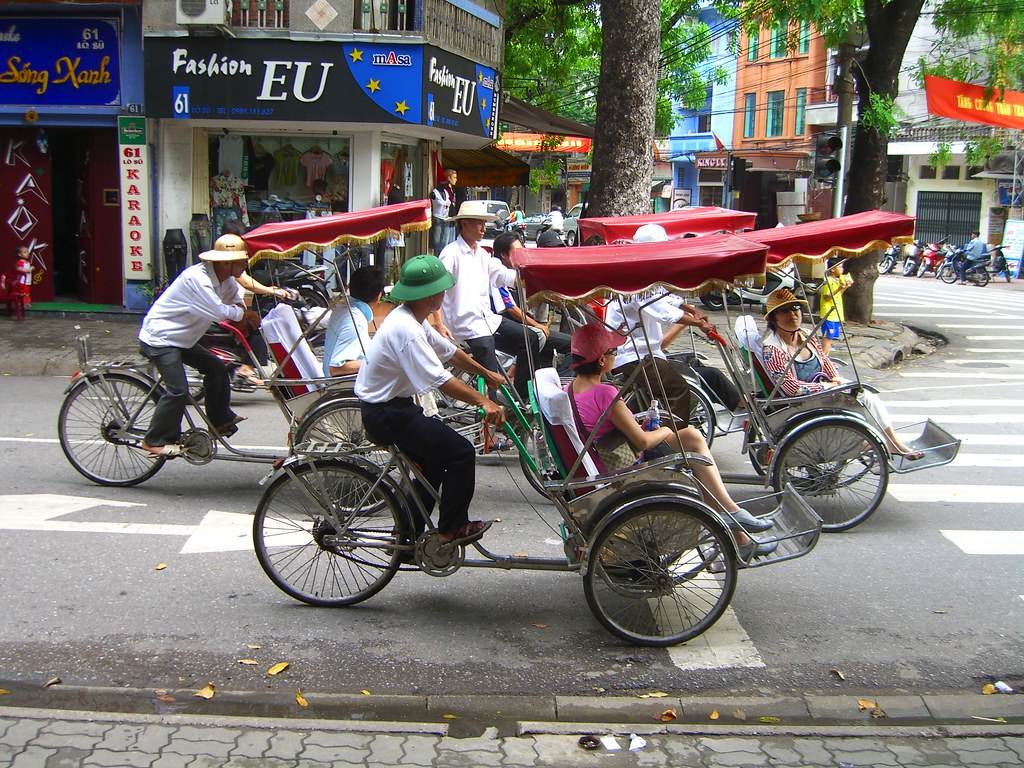
Most solo travelers don’t admit it, but traveling solo is risky. You land in a country where you know no one. You don’t speak the language, you have to learn new navigation, and you aren’t familiar with local customs. Safety tips can reduce that risk. Nothing eliminates it.
That is the honest starting point. Everything below is practical, not reassuring.
Money as a Safety Tool
Travel medical coverage starts at about $1 per day. A fuller backpacker travel insurance policy, covering emergency medical and gear theft, runs roughly $2.50 to $5.00 per day. Budget separately for entry visas or e-Visas: $30 to $80 per country.
Those are small numbers against a medical evacuation, which is the scenario you are actually insuring against. A $25/day high-altitude guide and a $45 to $60/day guide are not the same product. The expensive one tends to speak multiple languages and carry first aid certification. The difference between the two is often the difference between a safe descent and an evacuation. In the mountains, the cheap guide is expensive.
Cheap Beds, Real Tradeoffs
In India, cheap lodging can run as low as INR 300–500 per night. That is $4 to $7. Cleanliness and safety at that price are questionable. These places are best booked only after being personally inspected. A room you have walked through is a different thing from a room in a photograph.
Food is a similar calculation. Indian street food is generally safe and highly budget-friendly, roughly ₹20–₹100 per item. In Mexico, a filling street meal of four to five tacos costs $3–$5, and the same logic covers tamales, tortas, tlayudas, and elotes. The rule in both countries is turnover. Busy stalls move product fast. Follow the locals to the crowded one.
What Goes in the Bag
Zipper pulls that thread through one another keep your gear closed. An ID-sized sleeve on the back panel carries your information in case the bag gets separated from you. A collapsible system that adjusts from 45 to 35 liters gives you one bag for both legs of a trip.
For reference on weight: a 35L pack loaded to 13 pounds is walkable for a few miles between a hotel and a ferry without trouble. That figure comes from a woman in her sixties, which matters. Comfort at 13 pounds is not a young person’s claim.
The Phone Problem
Your smartphone is a source of safety and connection while traveling alone. It is also useless in transit and out of the country without a signal. Offline-capable apps exist for exactly those gaps. Load them before you leave.
The Parts You Cannot Budget Away
Twenty-six years living in South America makes one thing clear: a price gap between two options is often the direct cost of quality of life, safety, and stability. You can see it in housing, in transport, in guides. The cheaper option is cheaper for a reason you may not be able to see yet.
There is no number that makes this disappear. A $25 guide can be fine. A $4 room can be fine. A $3 plate of tacos usually is. The work is knowing which cheap thing you are buying and what you are accepting along with it.
Leave a Reply