Some links on this page are affiliate links. If you book or buy through them, we may earn a small commission at no extra cost to you. It never changes what we recommend — every price here is one we would pay ourselves.
Budget travellers could shave $2,000 or more off a longer trip by going in the deep off-season and staying in hostels. A kitchen turns a $15 dinner into a $4 one, and a supermarket run in a residential neighbourhood costs noticeably less than the same items bought near a station.
Trains Beat Planes on Price
We took trains whenever we could. The reasoning was straightforward: trains generally cost a quarter of what flights did, sometimes less. That gap alone justifies the longer ride. Add the environmental case and the fact that you actually see the country you’re moving through, and the choice gets easier. We travelled both second and first class across 8 brilliant train experiences. Not every leg was a triumph of planning, but none of them felt like a waste of money.
The practical version of that reasoning is less romantic than it sounds. Second class on a night train is a seat that reclines about as far as an office chair, a carriage that smells of everyone’s dinner, and a window that goes black somewhere around midnight. First class buys a compartment with a door, a fold-down bed on the overnight routes, and a conductor who knocks before the border police do. On day routes the difference matters less than the timetable. What consistently went wrong was booking late: popular regional trains sell out in the final week, and a sold-out train means a flight at four times the price or a bus that adds six hours. Booking two to three weeks out, on the operator’s own site rather than an aggregator, kept the price at the low end and the seat assignment in our hands. Aggregators add a fee that can quietly double a cheap regional fare, and they are the last to know when a timetable changes.
September in Europe beats July in Europe in every way. Fewer crowds, better weather, lower prices. The same destination costs 30-40% less. That’s not a marginal saving. On a month-long trip, it’s the difference between one budget tier and another.
What people miss about September is that it isn’t one month. The first week still behaves like August, with full prices and queues that snake past the ticket office. The last week behaves like October, with museums on shorter hours and some coastal restaurants already shuttered for the season. The sweet spot sits in the middle, and it lines up almost exactly with the point where school holidays end across most of the continent. Locals take their own holidays in August and go back to work in September, which is why the same beach town that was unbearable in July suddenly has space at the bar and a room rate that a family can afford.
What a Day Actually Costs
What you’ll spend per day depends on your travel style. There are three rough budget tiers, based on real 2026 prices, and the spread between them is wide enough that picking the wrong one sinks a trip.
Budget travellers could shave $2,000 or more off a longer trip by going in the deep off-season and staying in hostels. Eating lots of bread, tomatoes and cheese helps. Wine in a box helps more.
The middle tier is where most people actually land without meaning to. It looks like a private room in a guesthouse rather than a dorm, one restaurant meal a day instead of none, and a museum ticket or a train upgrade every few days. The jump from the bottom tier is rarely a single decision. It’s a series of small ones, each defensible on its own, that together add up to a very different number by the end of the month.
Some of the year was fast travel rather than slow travel, and the price tag reflects that. Moving quickly costs money. Every transfer, every last-minute bed, every meal bought because you didn’t have a kitchen. Slow travel isn’t just a philosophy. It’s an accounting decision.
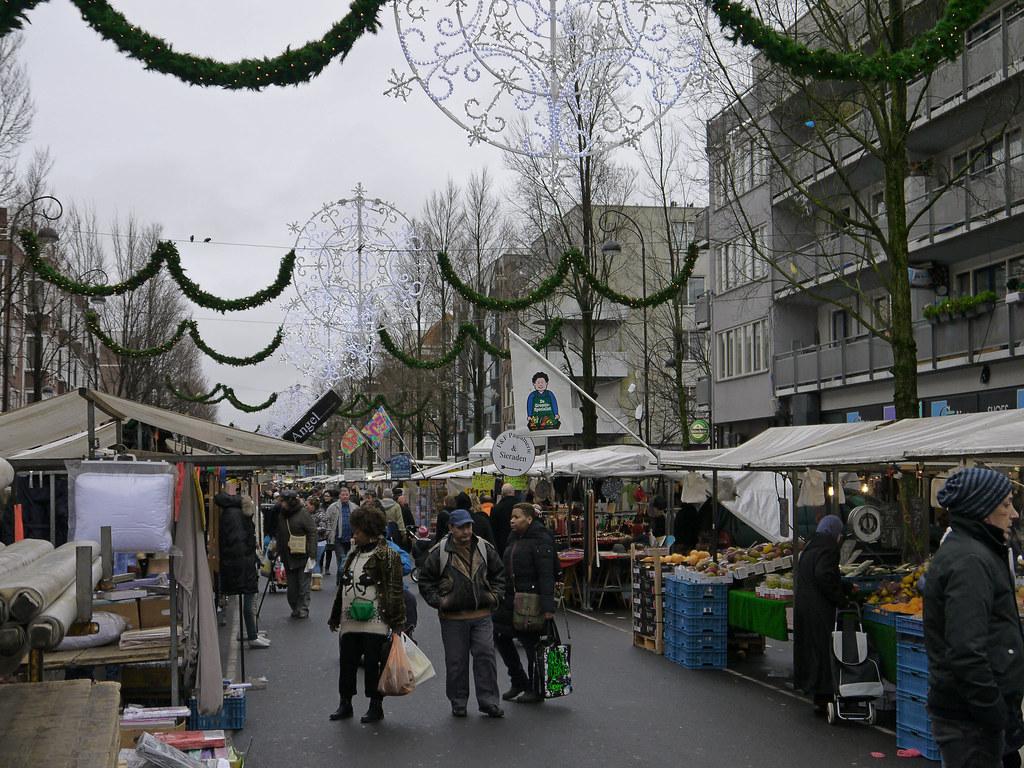
The mechanics of slow travel are mundane and they work. Staying four nights instead of two usually drops the nightly rate, because owners discount longer stays and because you stop paying for the friction of arrival. A kitchen turns a $15 dinner into a $4 one, and a supermarket run in a residential neighbourhood costs noticeably less than the same items bought near a station. Laundry done in a sink is free; laundry done at a hostel counter is not. None of this requires discipline so much as staying put long enough for the savings to show up.
For context on what “expensive” means: $2,000 a month covered all our living and travel expenses. That figure lands differently depending on where you’re coming from. Coming at it from an incredibly overpriced part of the world, $2,000 a month for everything felt like a bargain.
Book the Big Sights Early
Most of the major attractions, the Uffizi, the Eiffel Tower, have timed entries. You must buy those tickets well ahead if you want the base price. Miss the window and you’re buying from “agencies,” which is a polite word for scalpers, at a much higher cost. Pin down those big sights as soon as your dates are fixed. This is the single most reliable way to avoid paying double for something you already decided to see.
For anything with a queue out front, buying ahead is the obvious move.
The window itself varies by site and by season, and that variability is the trap. Some places release tickets on a rolling basis a fixed number of weeks out and sell the day’s allocation within hours; others hold back a portion for same-day sale at the door, which rewards the person who turns up before opening rather than the person who planned in advance. The safe assumption is that anything famous enough to have a queue has already been booked by someone else. The ticket desk closing mid-afternoon is common, and turning up at four o’clock to find the day’s slots gone is a standard way to waste an afternoon. Where a city pass exists, it sometimes includes a reserved entry that bypasses the general queue, which can be worth the pass price on its own if two or three of the included sights were already on the list.
Altitude Has a Price
Food and supplies at high elevation arrive by porter or yak. That’s not a detail. It’s the whole cost structure. Lodges at 5,000m pay 3-4 times more to stock identical supplies than lodges at 2,000m. Trekkers absorb that markup through meal and room prices. A plate of rice at altitude is not the same purchase as a plate of rice in a valley town, even when it looks identical. Budget accordingly, or budget for being hungry.
The markup climbs with the trail, and it climbs fast. A lodge a day’s walk from the road head charges one price; the same lodge two days further up charges another, and the menu is a handwritten board because printing new ones every season isn’t worth it. Porters and pack animals carry the difference on their backs, and the price at the top reflects that labour directly. The other half of the cost is fuel: boiling water at altitude takes longer and burns more gas, so tea, soup and anything requiring sterilised water carry a premium that has nothing to do with the ingredients. Locals on the route drink tea and eat the local staple, usually a lentil or potato dish, rather than the imported chocolate and canned drinks on the same shelf. Eating what they eat is cheaper and, at 5,000m, sits better. Cash is the only thing that works up there, there is no ATM above the last road town, and the exchange rate offered at altitude is whatever the lodge owner decides it is.
Street Food and the Bargain Question
Thailand street food prices in 2026 depend on location, rent and tourist density. Three stalls on the same street can charge three different prices for the same bowl, and the difference usually tracks how close they sit to where tourists walk. Rent is the variable. Tourist density is the multiplier.
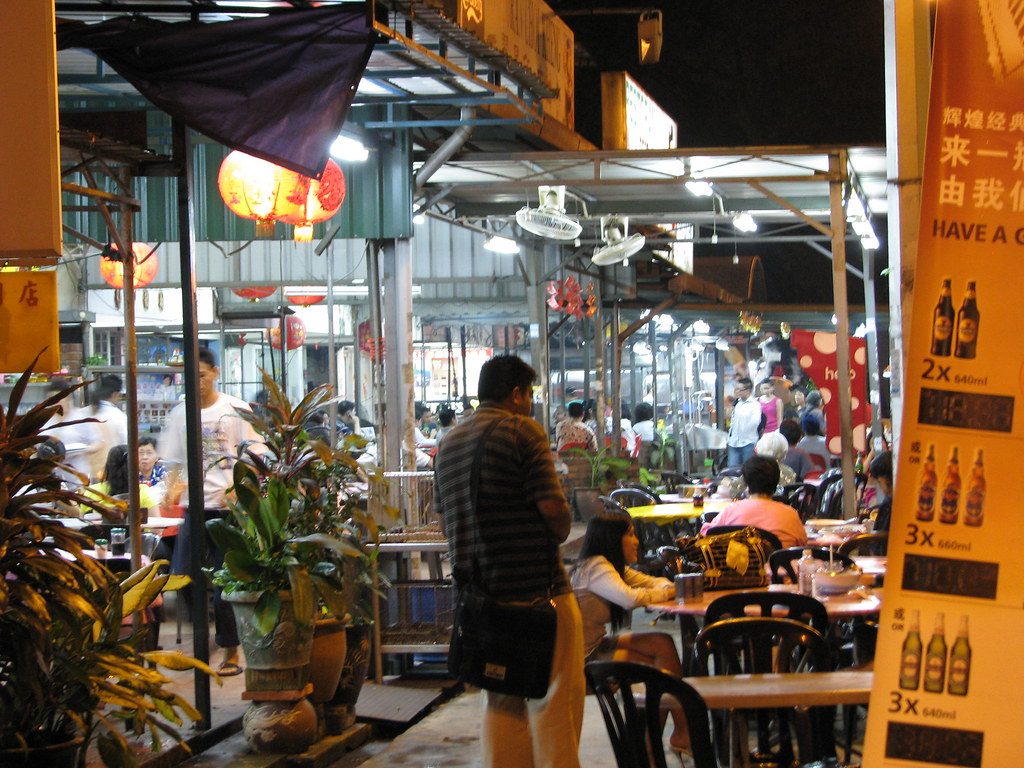
Reading a stall takes about thirty seconds. Look at who’s eating. A place with a queue of office workers at noon, plastic stools on the pavement and a single dish done well is almost always cheaper and better than a stall with photographs of the food and a menu in four languages. The photograph menu is a signal that the owner is paying tourist-district rent and has priced for it. The stall with no English at all and a handwritten board is a signal in the other direction. Portion sizes are also a tell: the same dish costs more near a landmark partly because the rent is higher and partly because the portion is smaller, on the assumption that the customer won’t come back anyway.
Bargaining works where it’s expected and wastes everyone’s time where it isn’t. The places with printed prices and queues are not the places to negotiate. The places without either often are.
Where it is expected, the ritual matters more than the number. Asking the price first, then offering roughly two-thirds, then meeting somewhere in the middle is the standard shape of the exchange, and both sides know it. Walking away is a real move and sometimes works, but only if the price was genuinely too high rather than merely higher than hoped. What doesn’t work is haggling over food from a vendor who has a fixed price and a line of regulars, or trying to negotiate a fare after the journey rather than before it. Markets with a mix of locals and tourists are the honest middle ground: the price quoted to a local and the price quoted to a visitor start close together, and a small, cheerful negotiation closes the gap without anyone losing face.
Insurance is its own line item and worth pricing properly rather than grabbing the cheapest thing at checkout. The lowest useful price we found covered $500,000 evacuation, primary medical coverage and optional CFAR. Cheaper policies exist. They tend to leave out the part that matters when something actually goes wrong.
The detail worth checking is what counts as primary versus secondary coverage. A secondary policy makes you claim on your home health insurance first and covers only the remainder, which is fine if the home policy exists and useless if it doesn’t. Evacuation cover is the line that decides whether a hospital in a remote area will move you to a city, and the number attached to it is the one to compare. CFAR, cancel-for-any-reason, costs extra and pays back a percentage rather than the whole fare, but it’s the only cover that responds to a change of plans rather than an accident. Reading the exclusions takes twenty minutes and is the difference between a policy and a receipt.
The Arithmetic That Matters
The savings aren’t in any single clever trick. They’re in the compounding: trains at a quarter of flight prices, September instead of July at 30-40% less, hostels and off-season knocking $2,000 or more off a long trip, buying timed entries at base price instead of scalper rates. None of these are dramatic on their own. Together they decide whether the trip happens at all.
What makes the compounding work is that the decisions reinforce each other. Going in September makes the hostel cheaper, which makes the slower pace affordable, which makes the train a better choice than the flight, which keeps the money in the budget for the one timed entry that was actually worth paying for. Break the chain anywhere and the total moves. Move fast in July and stay in hotels and the same itinerary costs several times what it needed to, without any single line looking extravagant.
The $2,000 a month figure is real. So is the fact that the same destination in September costs 30-40% less than in July. The numbers do the arguing. You just have to pick which ones you’re willing to live with.
Leave a Reply