Some links on this page are affiliate links. If you book or buy through them, we may earn a small commission at no extra cost to you. It never changes what we recommend — every price here is one we would pay ourselves.
A guest house room in a rural area runs $10 to $15. Homestays in Bali start around $7.50 to $15 a night at current rates.
What a Bed Actually Costs
A guest house room in a rural area runs $10 to $15. That is the whole line item. A Losmen, a homestay, a tiny hotel with no stars — same price band, same idea. You get a bed, a door that locks, and a family who knows where the bus stops.
That number matters because it sets the floor for everything else. A month of slow travel at roughly $750 to $1,200 works out to $25 to $40 a day, and if the room is $12, you have $13 to $28 left for food, transport and whatever you’re actually there to see. Local meals, limited flights, careful control of tours and nightlife — that’s the budget, stated plainly. Nothing hidden.
What the listing never tells you is what the room actually contains. A $12 room in a village is usually a mattress on a wooden platform, a cotton blanket that has been washed a thousand times, a plastic chair, and a towel folded into a triangle on the pillow. Sometimes there is a fan. Sometimes there is a bucket of water and a dipper instead of a shower, which is normal and not a downgrade. What you are paying for is the lock, the mosquito net, and the family’s phone number. Check the net before you unpack — a net with holes the size of a coin is decoration. Ask to see the room first if you arrive by car, and if the family hesitates, that hesitation is the answer.
Indonesia fits this well. Homestays in Bali start around $7.50 to $15 a night at current rates. A scooter, which is how most people get around, costs about $4.30 to $7.50 a day. Fuel is cheap. You are not spending much to move.
The scooter rental is where the arithmetic usually breaks. The daily rate covers the bike, not the helmet, not the rain poncho, and not the scratch you will be accused of making. Owners photograph the bike before handover, and so should anyone renting one — a phone full of close-ups of the panels and the odometer is the cheapest insurance there is. Most rentals ask for a passport as deposit; leaving it behind is standard practice and slightly unnerving, so ask for a written receipt with the bike’s plate number on it. Fuel is sold in litre bottles at roadside stalls as well as at stations, and the bottles are fine.
When the Room Is the Attraction
Some places charge more because the room is not the point.
Visiting a Maasai village in Kenya costs $30 to $80 per person depending on which village you go to. That is not accommodation. That is a fee for being there, and it varies by community, which is worth knowing before you assume a single price applies everywhere.
The visit itself usually runs a couple of hours: a welcome song, a walk through the compound, a look at how the houses are built, and then a market table of beadwork where the prices are quoted in dollars and are not really negotiable. Guides are often young men from the village who speak good English and who split the fee with the community. Ask before photographing anyone, and ask the guide whether the money reaches the village or the tour operator, because the answer differs and the question is not rude. Arriving with a carload of people who have not agreed on a price beforehand is how arguments start at the gate.
In Nepal, teahouse accommodation runs $5 to $60 a night. The range is enormous and it is not arbitrary. Basic dormitory beds in lower-altitude villages start at $3 to $5. Private rooms with attached bathrooms at high-altitude teahouses in peak season reach $40 to $60. Elevation, season, and lodge standard drive the number. You are paying for altitude and for the fact that someone carried the fittings up there.
There is a catch that catches nearly everyone. At high altitude, the room is cheap only if you eat at the same lodge, and the menu prices there are where the money actually goes. Dal bhat, the lentil and rice plate, is the reliable order — it is filling, it is what the porters eat, and most kitchens will refill the rice and lentils without charging again. A lodge that quotes a low room rate and a steep menu is not cheating; it is running a restaurant with beds attached. Decide the total, not the room.
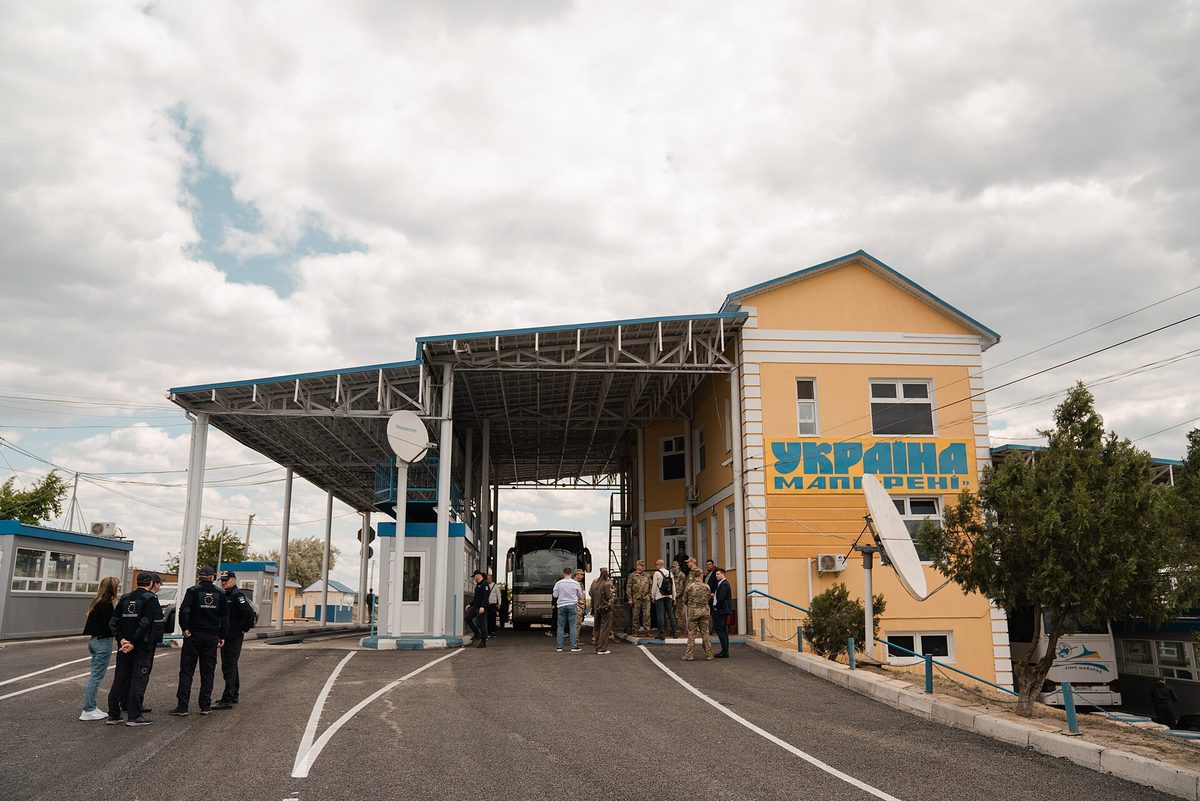
The Gosainkunda Trek adds a rural municipality fee of $20 per person. The Khumbu Pasang Lhamu Rural Municipality fee in the Everest region is also about $20. Shivapuri National Park requires a separate park ticket. These are small amounts that people forget to count.
The permit desks are not always where the trailhead is. Some fees are collected at a counter in Kathmandu before the bus leaves, and the counter keeps office hours — it closes mid-afternoon and does not open on public holidays, which is how a planned start becomes a day of waiting. Carry passport photos and cash in local currency, because the desks rarely take cards and the queue moves slowly when everyone ahead is filling in forms with a borrowed pen.
Porter wages, if you hire one, run NPR 2,000 to 3,000 a day, which is $17 to $25. Remote village porters may charge NPR 2,500 to 3,500. Tips of NPR 500 to 1,000 a day extra are expected on top. Add that up over a trek and it is not a rounding error.
The Caucasus Math
Georgia’s mountain regions need a car. Daily rates start at $30 to $40 for a basic compact. A proper 4WD, which is essential for Tusheti and preferable for Svaneti and other mountain areas, costs $60 to $100 a day. Fuel is approximately $0.80 to $0.90 a litre.
So a week in the mountains in a 4WD is $420 to $700 before fuel. Split between three people, that is $140 to $233 each. Split between two, it doubles. The vehicle decision is the trip decision.
Two things go wrong here with reliable regularity. The first is that the compact cannot do the road, and the rental company will say it can. The second is that the mountain roads close. Tusheti is reached over a pass that shuts with the weather, sometimes for days, and the guesthouses on the far side are cheap precisely because getting there is the hard part. Drivers in the villages will quote a flat rate for a day trip or a transfer, and those rates are often better than a rental once fuel, parking and nerve are counted. Guesthouse owners arrange drivers constantly — ask at breakfast, not at midnight.
On arrival, a pre-booked transfer removes the taxi negotiation entirely.
Where the Money Goes Further
Romania is very affordable outside Bucharest and Brasov, which are moderately priced. Transylvania is the best value. Cheap guesthouses in villages, hearty meals for $5.40 to $7.60, and low transport costs. The arithmetic is simple: if dinner is under $8 and the room is under $20, a day costs less than most people spend at home.
What that buys in a Transylvanian village is a room in a house with a wood stove and a garden, breakfast of eggs, cheese and jam from the same garden, and a host who will drive you to the next village for less than a taxi would charge in the city. Trains between the small towns are slow and cheap and run a few times a day, so the timetable, not the distance, sets the schedule. Buses fill up on market days. Cash still rules in the villages; the card machine is a city habit.
Colombia behaves similarly once you leave the cities. In the Coffee Triangle, in smaller Caribbean towns, in rural areas, daily costs often drop below $30. Family-run guesthouses and finca stays lower the price and put you somewhere specific rather than somewhere generic.
The finca stay is the version worth seeking out: a working coffee or fruit farm where the family rents a couple of rooms and the morning starts with the pickers, not with a reception desk. Getting there usually means a bus to the nearest town and then a motorbike taxi or a lift from the host, and the last stretch is often unpaved. That is the trade — the isolation that keeps the price down is the same isolation that makes a pharmacy a project. Ask the host before arriving where the nearest ATM and clinic are, because the answer is usually further than expected.
The location question is the one people skip. Do you want to be in the heart of the city, near the beach, or in a quiet rural area? Whatever you choose, make sure you are not isolated from the activities you actually came for. A cheap room forty minutes from anything is not cheap. It is a taxi bill with a bed attached.
Reading the Range
The pattern across all of this is that rural accommodation is rarely one price. It is a range, and the range tells you what you are buying.
$3 to $5 is a dormitory bed at low altitude. $10 to $15 is a private room almost anywhere rural. $40 to $60 is a private room with a bathroom at altitude in peak season. $30 to $80 is a village visit in Kenya. $20 is a permit that has nothing to do with where you sleep.
Know which of those you are paying for. The rest of the budget follows.
Leave a Reply