Some links on this page are affiliate links. If you book or buy through them, we may earn a small commission at no extra cost to you. It never changes what we recommend — every price here is one we would pay ourselves.
A broader estimate puts the average traveler at $75 a day on the budget end and $225 on the mid-range end, covering accommodation, food, transportation and activities together.
The Set Lunch Problem
A set lunch in a tourist area runs $10 to $20. In Japan, a quick dining restaurant gets you a good meal for $10. In Borneo, somebody was spending closer to $5 in most other countries and finding Malaysia noticeably more expensive than the rest of Southeast Asia.
That gap of $5 to $20 is the whole story of eating abroad on a budget. It is not about whether the food is safe. It is about how much the same plate costs depending on where you are standing when you order it.
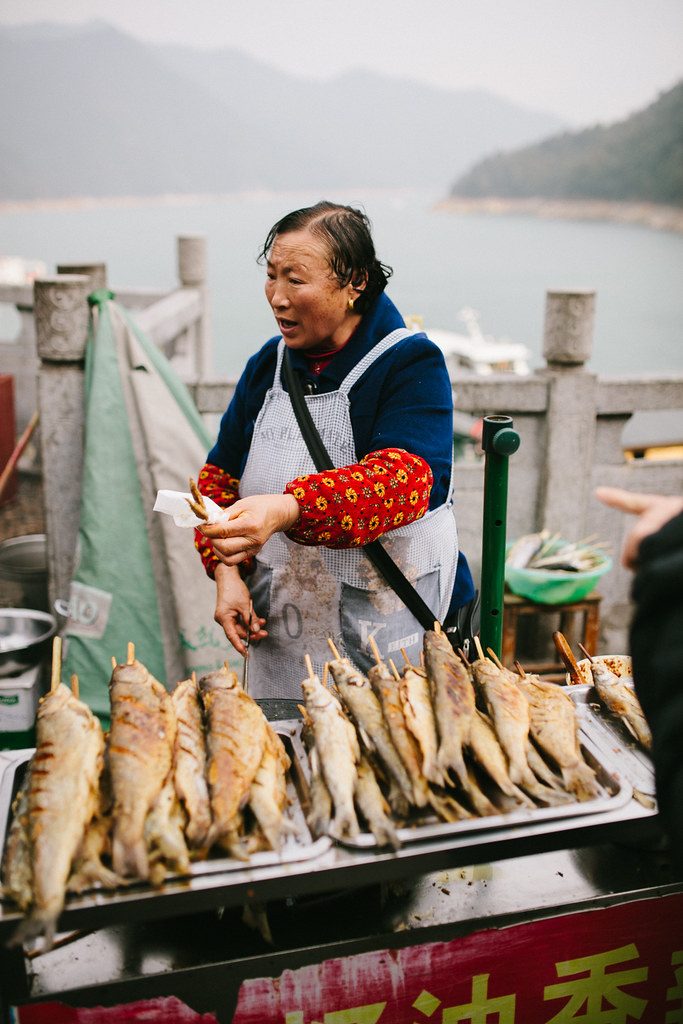
What the set lunch actually consists of matters less than where the sign is posted. In tourist corridors the set menu is usually printed in three languages, laminated, and standing on a little easel outside the door, which is the tell. Walk two streets back from the waterfront or the main temple exit and the same dish — rice, a protein, a vegetable, sometimes a soup — turns up on a chalkboard in one language at half the laminated price. The portion does not shrink. The air conditioning does.
The other thing nobody mentions is timing. Set lunches exist because kitchens want to fill seats in the dead hours between the local lunch rush and dinner. Arrive at 12:30 with the office crowd and the set menu may not be offered at all, because the restaurant does not need to discount. Arrive at 2:30 and it is the only thing on offer. The window varies by country — in Japan it tends to run later into the afternoon, in much of Southeast Asia it shuts around 2pm — so watching when the local workers walk in is more reliable than reading the sign. If the price on the board goes up on a weekend or a public holiday, that is normal and not a scam, though it is worth checking before sitting down.
What the Numbers Say
Budget travel runs $40 to $60 a day with accommodation included. Mid-range runs $100 to $150. Luxury starts at $300 and goes up. A broader estimate puts the average traveler at $75 a day on the budget end and $225 on the mid-range end, covering accommodation, food, transportation and activities together.
Those are daily totals, not food totals. Food is one line inside them, and it is the line you control most easily. A 4-star hotel costs $40 a night in one country and $200 to $300 in another. The same logic applies to dinner.
Trekking lodges, where they exist, cost $5 to $10 a night, sometimes as low as $4 depending on the season. That leaves more room for meals. It does not leave unlimited room.

The reason food is the flexible line is that everything else is booked in advance. The room is paid or reserved. The transport is a fixed ticket. The visa is a sunk cost. Meals are the only category where a decision made at 1pm actually changes the day’s total, and that is why the gap between a $40 day and a $60 day is almost always a food gap rather than an accommodation one. Two travelers can share a dorm and a bus ticket and still end the day $20 apart, purely on where they ate.
It also helps to know that the daily figures assume the traveler is moving. A day spent on a long bus or train is often a cheap food day, because station food and roadside stops cost less than restaurant food and there is nothing else to do but eat what is in front of you. A day spent sitting in a café with wifi waiting out rain is an expensive one. Budget arithmetic done in advance rarely accounts for weather.
The Places That Aren’t Cheap
Latvia, Estonia and Lithuania are lovely. They are not cheap. That is the whole report from someone who went in 2025 expecting otherwise.
Sipadan diving was amazing. Getting there was not cheap. Borneo has budget accommodation in the cities, but it is not Southeast Asia’s bargain basement.
For anything after midnight, a pre-arranged transfer is close to essential.
The pattern repeats. A country gets a reputation for being affordable and then a specific town, a specific island, a specific dive site turns out to cost $55 a day when you had planned $18. The reputation was built somewhere else.
Safari pricing shows what happens at the top of the range. Five-day Tanzania itineraries vary widely, and prices climb in tourist areas. A set lunch there is $10 to $20, the same band as anywhere else with foot traffic, but everything around it costs more.
The Baltic case is worth spelling out because it catches people out. Riga and Tallinn and Vilnius have old towns that are architecturally gorgeous and priced for the weekend-break crowd flying in from elsewhere in Europe. The supermarket two blocks outside the old town wall is a different country. The restaurant inside the wall knows exactly who is walking past and what they are willing to pay, and there is no local alternative once the tour groups arrive. The fix is the same as everywhere: eat where the people who live there eat, which usually means walking until the signage stops being translated.
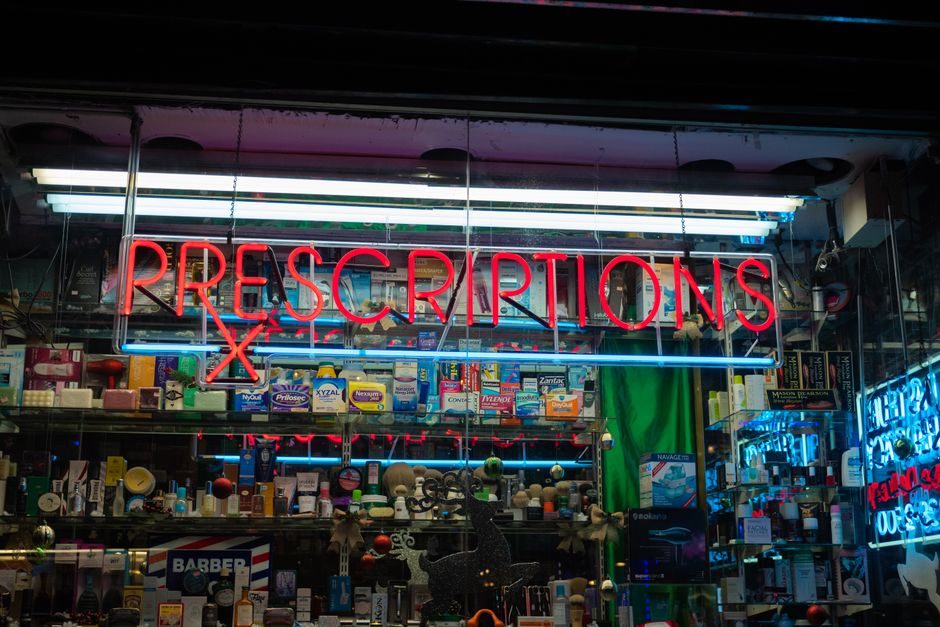
Dive sites and trekking hubs have the same closed-loop problem, only worse, because there is genuinely nowhere else to go. On an island with one jetty, the restaurant at the jetty sets the price. The only leverage is carrying food in, which is why the packing section below is not optional advice.
Packing Food, and What It Saves
You cannot avoid food while traveling. But it is costly at motels. Pack food for at least two meals. The balance is non-negotiable — you will spend.
Two meals carried is two meals not bought at motel prices, which is where the markup lives. Breakfast and a midday meal from a bag, then one purchased meal, changes the daily math considerably. On a $40 to $60 day, that difference is the difference between staying another night and leaving.
What travels well is boring and specific. Oats, dried fruit, nuts, crackers, peanut butter in a jar that survives a rucksack, instant noodles where there is a kettle, and whatever flatbread the local bakery sells cheap at closing time. What does not travel well is anything that needs refrigeration, anything soft that will be crushed, and anything with a strong smell that will announce itself in a shared dorm. A small jar of peanut butter and a bag of oats will cover breakfast for most of a week and costs less than one motel breakfast.
The mechanics matter too. Supermarkets in tourist areas are often smaller and pricier than the ones locals use, and the discount chains tend to sit on the edge of town rather than the center. Buying food is a chore that takes an hour and saves real money; buying it at the convenience store next to the hostel saves twenty minutes and almost nothing. Bottled water is the one item where the cheap option and the safe option are usually the same sealed bottle, so buying in bulk rather than per-bottle is the easiest saving on the whole trip.
The Visa Line Nobody Budgets For
The Schengen visa fee went to €90 in June 2024 for short-stay visas. That is $97 at 1 EUR = 1.08 USD. Confirm the current fee for your nationality and consulate before applying, because the number you find may be out of date.
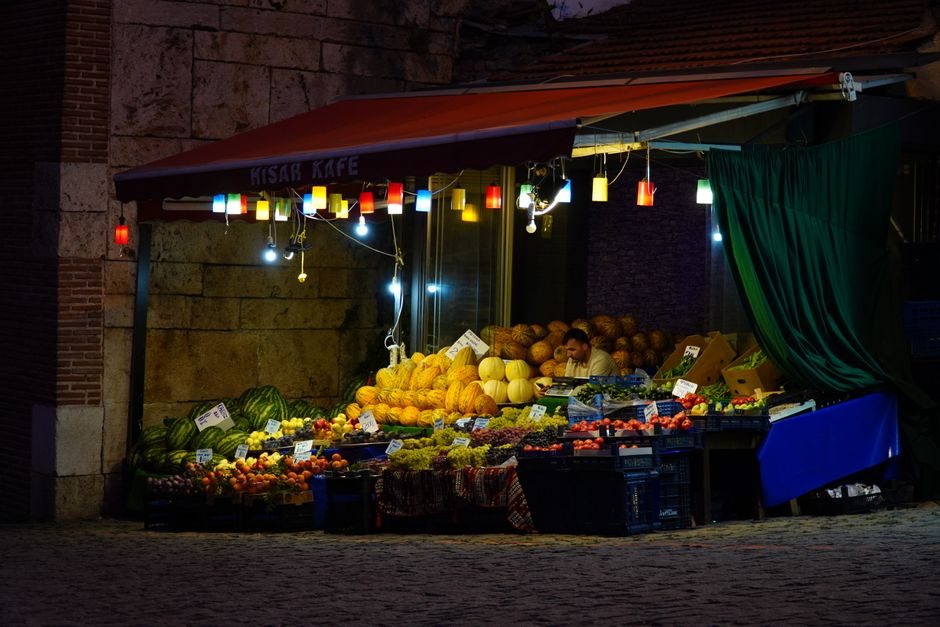
That $97 is not food. It is also not optional if you are going. It sits in the same budget as the $5 trekking lodge and the $10 quick meal, and it has to come out of somewhere.
One more fixed cost worth naming: a $0 introductory annual fee for the first year, then $150. If a card carries that structure, the second year costs $150 whether you traveled or not.
The reason the visa fee deserves its own heading is that it is paid months before the trip, in a lump, in a currency the traveler may not have thought about, and it is gone before any of the fun starts. It also tends to arrive with extras: an appointment slot that may be weeks out in peak season, a biometrics visit in person, a photo that has to meet exact specifications, and travel insurance that has to be bought before the application rather than after. None of that is food, and all of it competes with food for the same pool of money. The application itself is a paperwork exercise that rewards doing it early, because the appointment calendar fills from the front and the cheap flights fill at the same time.
The Range You’re Actually Working With
$5. $10. $20. $40. $75. $150. $225. $300.
Those are the numbers. A trekking lodge at $4 to $10. A set lunch at $10 to $20. A day at $40 to $60 or $75 on the low end, $100 to $150 or $225 in the middle, $300 and up at the top. A 4-star room at $40 in one place, $200 to $300 in another. Japan delivering a $10 meal that holds up against a prix fixe.
The allergy part is simpler than the budget part. You need to know what you are ordering, and you need to know what it costs before you sit down. Tourist areas charge $10 to $20 for a set lunch because they can. Motels charge more for food because you have nowhere else to go. Pack two meals. Spend the rest where the $10 meal is actually worth $10.
Knowing what is in the food is the harder half of that, and it is where the budget and the allergy problem overlap. A set menu is fixed, which means the kitchen is not used to substitutions and the person taking the order may not be the person cooking. The phrases that work are short and written down rather than spoken, and the safest meals are the ones where the ingredients are visible — grilled, steamed, assembled in front of you — rather than the ones where everything has been combined in a sauce before it reaches the table. Street stalls with a single dish and a queue of locals are easier to interrogate than a restaurant with a hundred-item menu, because there is only one thing to ask about. None of this costs extra. It does mean eating where the food is simple, which is also, conveniently, where it is cheap.
Leave a Reply